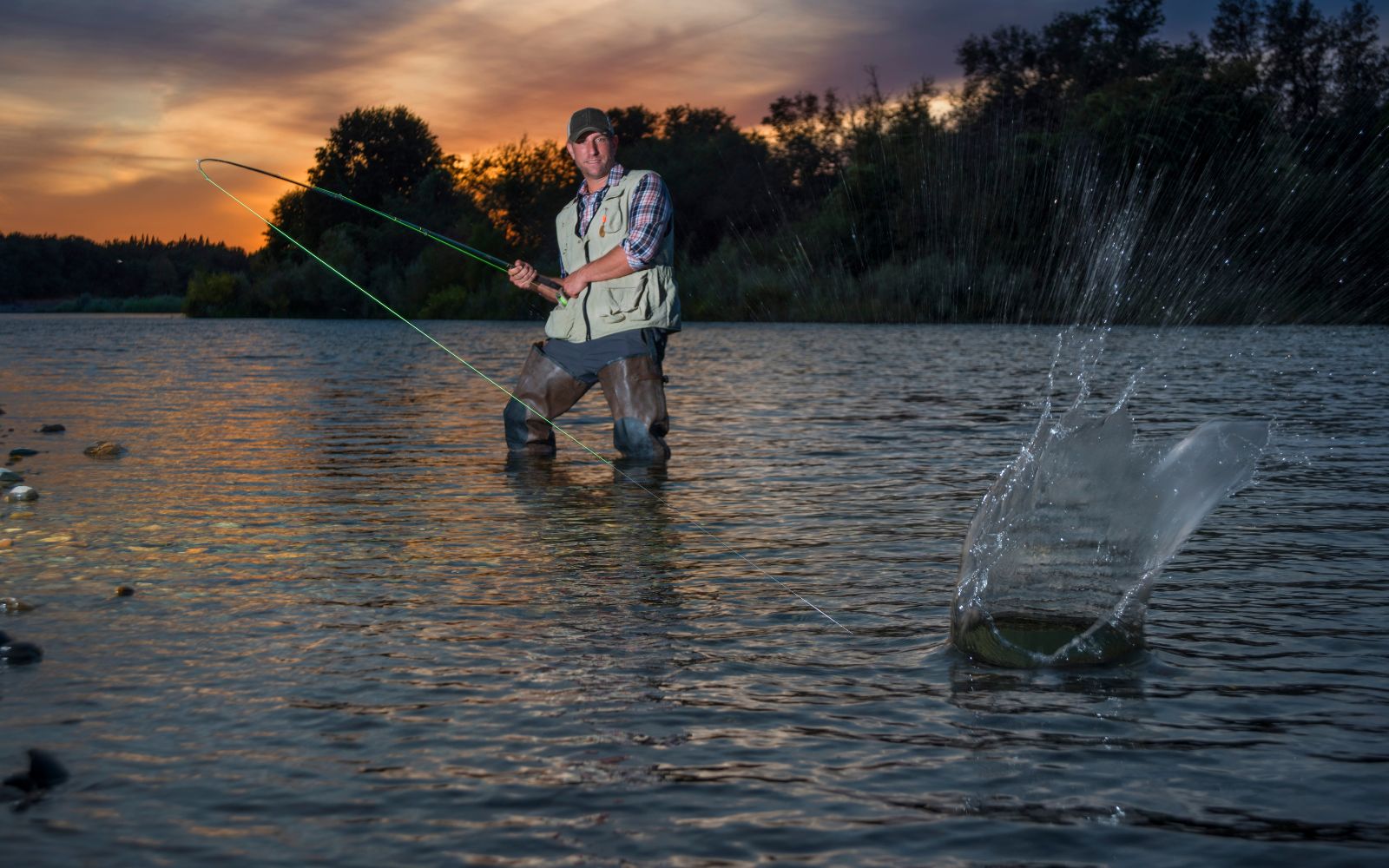
Trout fly fishing is a passion for many anglers, marking the beginning of their enduring love for the sport. This shared experience often leads individuals on adventures far and wide in pursuit of these prized fish, as noted by James Melvin, who reflects on his own journey: "Fly fishing for trout is where 99% of fly anglers begin their lifelong addiction to fly fishing."
Melvin’s own journey extends over three decades, which began on the slopes of Mt. Kenya. His extensive travels have taken him to the trout rivers of Montana, the chalk streams of the UK, and even mountain rivers in Ethiopia. Despite exploring a myriad of fishing locales globally, he consistently returns to the serene joy of wading in trout streams, particularly in the UK.
In his view, trout fly fishing is the foundational experience for anglers. Melvin emphasizes the accessibility of this form of fishing: "Trout fly fishing is the core in my eyes as it’s the most accessible form for all kinds of fly fishers." Understanding the nuances of this activity, however, can significantly impact one's success. With that in mind, Melvin shares a wealth of tips tailored specifically for trout fishing in both lakes and rivers.


Before diving into the crucial tips, it's beneficial for anglers to familiarize themselves with various trout species. The fish belong to the Salmonidae family, which includes well-known varieties like rainbow trout (Oncorhynchus mykiss) and brown trout (Salmo trutta). Melvin notes that lesser-known species such as zebra, golden, and marble trout also exist. "The more you know about trout, the easier it’s going to be to fool them when you have a fly rod in your hand," he advises.
"The more you know about trout, the easier it’s going to be to fool them when you have a fly rod in your hand,"
Notably, trout inhabit freshwater settings that maintain temperatures between 45°F and 65°F (7°C to 18°C). They thrive in well-oxygenated, cold waters across various global regions, though they are native only to North America and Europe. Melvin emphasizes, "All trout love fresh, clean, cold water," which highlights the importance of ensuring a suitable fishing environment.
"All trout love fresh, clean, cold water,"
Trout are known for their wariness, making it essential for anglers to approach their surroundings with care. "Whether you are fly fishing for trout in rivers or lakes, it pays to approach the water with stealth," recommended Melvin. Subtle movements and careful strategies can make all the difference in enticing these clever fish.
"Whether you are fly fishing for trout in rivers or lakes, it pays to approach the water with stealth,"
With the foundational knowledge set, Melvin offers a collection of 30 pro tips that can aid both novice and experienced anglers during their trout fishing adventures. He notes the importance of selecting the right flies, understanding the environment, and honing casting techniques. Each of these elements can play a pivotal role in building an enjoyable and successful fishing experience.
Inserting variety into your fly patterns is another crucial strategy. "Trout can be picky eaters, so experimenting with different types of flies can help you identify what they are currently feeding on," said Melvin. This adaptability not only increases the odds of success but also enhances the overall fishing experience.
"Trout can be picky eaters, so experimenting with different types of flies can help you identify what they are currently feeding on,"
Career Journey
Additionally, fishing during early mornings or late evenings can yield significant results, as trout are often more active during these periods. "Trout tend to be more responsive when the light is low," explained Melvin, noting that attentiveness to natural patterns is key.
"Trout tend to be more responsive when the light is low,"
Career Journey
Overall, these expert tips and insights encapsulate a fraction of the knowledge gained through years of experience on the water. As Melvin concludes, becoming a skilled angler requires dedication, patience, and an ongoing willingness to learn. Each fishing trip presents new opportunities to hone your craft, ultimately enriching your fly fishing journey.
As the fishing community continues to evolve, these tips serve as a guiding compass for both seasoned and novice anglers, ensuring that the art of fly fishing for trout remains a cherished pastime for generations to come.