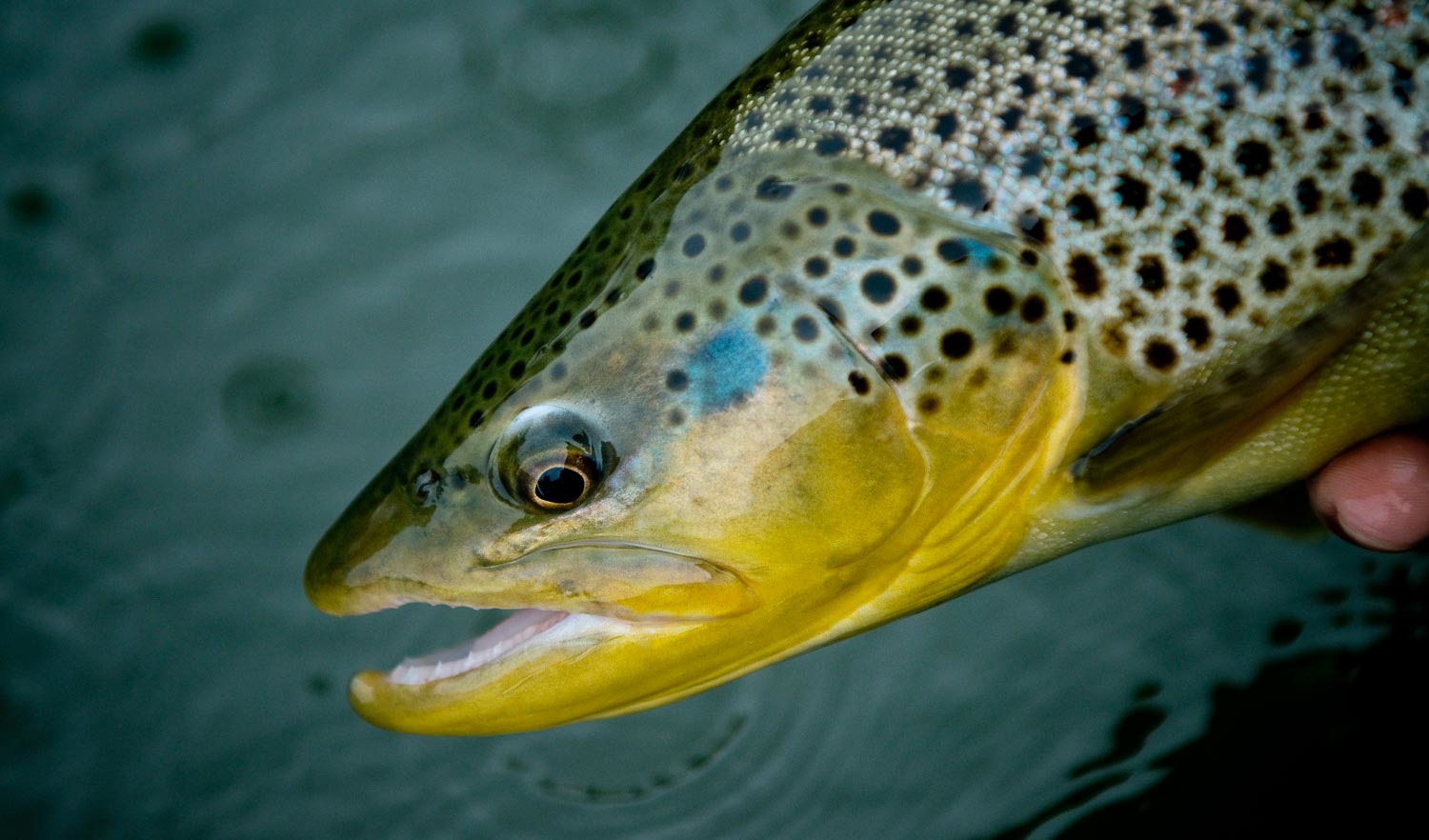
As autumn settles across watersheds and winter approaches, trout anglers are discovering some of the year's most rewarding fishing conditions. The combination of dropping water levels, increased clarity from minimal rainfall, and heightened fish activity creates an ideal scenario for sight-fishing—a technique that allows anglers to spot and target individual trout in shallow waters.
"With the brown trout moving up many watersheds in preparation for the spawn, and the rainbows or cutthroats aggressively feeding to put on weight for the cold winter ahead, the fall can provide fly fishermen the best trout fishing of the year," said a seasoned fly fishing guide.
"With the brown trout moving up many watersheds in preparation for the spawn, and the rainbows or cutthroats aggressively feeding to put on weight for the cold winter ahead, the fall can provide fly fishermen the best trout fishing of the year,"

The seasonal conditions transform typically murky waters into clear windows that reveal the underwater world. Trophy trout that might remain hidden during higher water periods become visible as they position themselves in shallows, creating opportunities that experienced anglers have learned to capitalize on. However, the visibility that makes these fish accessible to anglers also makes the anglers more visible to the fish, creating a delicate balance that requires skill and strategy.

"Just because you can see the trout, doesn't mean they're always easy to catch," reflected an experienced angler, highlighting the unique challenges that come with sight-fishing in shallow waters.
"Just because you can see the trout, doesn't mean they're always easy to catch,"
**Strategic Positioning Makes the Difference**
Race Results
Success in sight-fishing begins long before the first cast is made. Proper angler positioning has emerged as perhaps the most critical factor in shallow-water success. Many novice anglers make the mistake of casting from too far downstream, creating presentation challenges that often result in spooked fish.
"The smaller the angle one casts to a trout, the more precise and accurate the presentation needs to be," explained a local fishing expert. The geometry of the approach matters significantly—longer casts increase the risk of dragging fly line over or near the fish, while also reducing accuracy.
"The smaller the angle one casts to a trout, the more precise and accurate the presentation needs to be,"
The preferred technique involves approaching trout from the side whenever possible. "I always try to approach the trout from the side as much as I can, getting as perpendicular as possible to avoid spooking it," the expert noted. This lateral approach offers multiple advantages: shorter casting distances, softer fly presentations, and more natural drift patterns that don't alert wary fish.
"I always try to approach the trout from the side as much as I can, getting as perpendicular as possible to avoid spooking it,"
**The Art of Stealth**
In the clear waters of fall and winter, every movement becomes magnified. Successful sight-fishing requires a level of stealth that goes beyond simply being quiet. Veteran anglers have developed techniques that account for the heightened awareness of fish in shallow, clear conditions.
"I like to take my time getting into position and then wait an additional couple of minutes before I make my first presentation," advised a veteran angler. This cooling-off period serves dual purposes: it allows the angler to settle and observe, while also letting any minor disturbances dissipate before the critical moment of presentation.
"I like to take my time getting into position and then wait an additional couple of minutes before I make my first presentation,"
The stakes are particularly high in sight-fishing scenarios because spooking one fish often compromises an entire pool or run. The chain reaction of alarmed fish can eliminate multiple opportunities in a single careless moment, making patience and deliberate movement essential skills.
**Technical Precision in Rig Selection**
The technical aspects of sight-fishing require careful consideration of equipment and presentation methods. Unlike blind fishing, where anglers might use a one-size-fits-all approach, sight-fishing demands customization for specific water conditions and individual fish behavior.
"You want to maintain a drag-free drift and have your flies drifting in the correct water column at the moment they reach the trout," advised a noted fishing guide. The precision required is measured in inches—a fly presented just slightly off the ideal depth or drift line can mean the difference between success and failure.
"You want to maintain a drag-free drift and have your flies drifting in the correct water column at the moment they reach the trout,"
Rig selection becomes particularly important in these scenarios. The choice between a dry/dropper rig and a weighted tandem nymph rig can dramatically affect presentation and success rates, depending on water depth, current speed, and fish positioning.
**Reading the Fish**
Perhaps the greatest advantage of sight-fishing lies in the ability to observe trout behavior in real-time. This observational opportunity provides insights that can inform immediate tactical decisions and improve overall angling effectiveness.
"Observing the feeding behavior of trout can illuminate what flies might work best for that day," advised a knowledgeable fishing guide. By watching how fish respond to natural food sources drifting past, anglers can make informed decisions about fly selection, presentation speed, and timing.
"Observing the feeding behavior of trout can illuminate what flies might work best for that day,"
The behavioral cues extend beyond simple feeding patterns. Body language, positioning changes, and reaction to environmental stimuli all provide information that skilled sight-fishers use to refine their approach.
**Natural Presentation Techniques**
The final element of successful sight-fishing involves matching the movement patterns of natural food sources. In clear water conditions, trout have ample opportunity to scrutinize potential meals, making realistic presentation crucial.
"Matching your fly's movement to that of the natural food sources in the water will entice more strikes from the fish," suggested a local fishing guide. This might involve subtle twitches to mimic emerging insects, steady drifts to replicate drifting larvae, or other movements that mirror the natural behavior patterns fish expect to see.
"Matching your fly's movement to that of the natural food sources in the water will entice more strikes from the fish,"
As fall progresses into winter, the opportunities for sight-fishing continue to improve with increasingly clear water conditions and predictable fish behavior patterns. For anglers willing to invest the time in developing these specialized skills, the season offers some of the year's most memorable and productive trout fishing experiences.