
Shaky head fishing is a finesse technique that has captivated bass anglers for decades, transforming the way they approach the sport. This method, which combines a jighead with a soft plastic worm, is designed to mimic the natural movements of baitfish or crawfish. Anglers swear by this subtle approach, especially when targeting the often finicky largemouth bass.
"The shaky head allows for a very natural presentation that can entice even the most cautious fish," said pro angler Mike Iaconelli. The technique is simple yet effective, appealing to bass that may otherwise turn away from larger or noisier [lures](/gear/fishing-lure).
"The shaky head allows for a very natural presentation that can entice even the most cautious fish,"


The Origins of the Shaky Head
The concept of using a jighead with a worm can be traced back to the Kansas City area in the 1950s and 1960s. Over the years, this method evolved significantly. According to William Davis of Davis Bait Company, the modern shaky head design was developed in Alabama, tailored specifically for spotted bass fishing in the Coosa River. "We wanted something that would stand up and create a more realistic interaction with the bottom," Davis noted.
"We wanted something that would stand up and create a more realistic interaction with the bottom,"
Career Journey
Career Journey

Career Journey
It wasn’t until the mid-2000s that the shaky head gained widespread recognition. "I remember catching a huge fish on a shaky head during a Bassmaster Elite tournament, and that really showcased its effectiveness," recalled angler Kevin VanDam. His catch of nearly 12 pounds during the 2005 Bassmaster Elite 50 event contributed greatly to the shaky head’s rise in popularity.
"I remember catching a huge fish on a shaky head during a Bassmaster Elite tournament, and that really showcased its effectiveness,"
Career Journey
Strengths of the Shaky Head
The reasons behind the shaky head's effectiveness are many. First and foremost is its natural imitation of prey. The buoyant soft plastics used on shaky heads allow for a tail that subtly quivers, appealing to hungry bass. "When you’re working it along the bottom, the action is incredibly lifelike," remarked pro fisherman Jeff Kriet.
"When you’re working it along the bottom, the action is incredibly lifelike,"
Additionally, the rig is designed for precise bottom contact. This aspect enables anglers to feel even the slightest bites. "Using a sensitive rod and fluorocarbon line really enhances the experience," Kriet added. And by employing a Texas-rigged hook style, anglers can navigate through various underwater structures like brush piles and rocks.
"Using a sensitive rod and fluorocarbon line really enhances the experience,"
Limitations and Controversies
Despite its benefits, the shaky head is tailored for specific techniques. "It’s not meant for rapidly covering large areas," pointed out seasoned angler Rick Clunn. Instead, it demands a meticulous approach, requiring anglers to focus on specific hotspots.
"It’s not meant for rapidly covering large areas,"
Furthermore, the technique can encounter snagging issues in dense cover. Some users also report concerns about gut-hooking bass, although quick hookset practices can mitigate this. Critiques have emerged against the shaky head, particularly when comparing it to other rigs like the Ned rig, which may excel in covering water with smaller baits. "They each have their time and place," concluded Kriet.
Recommended Gear for Shaky Head Fishing
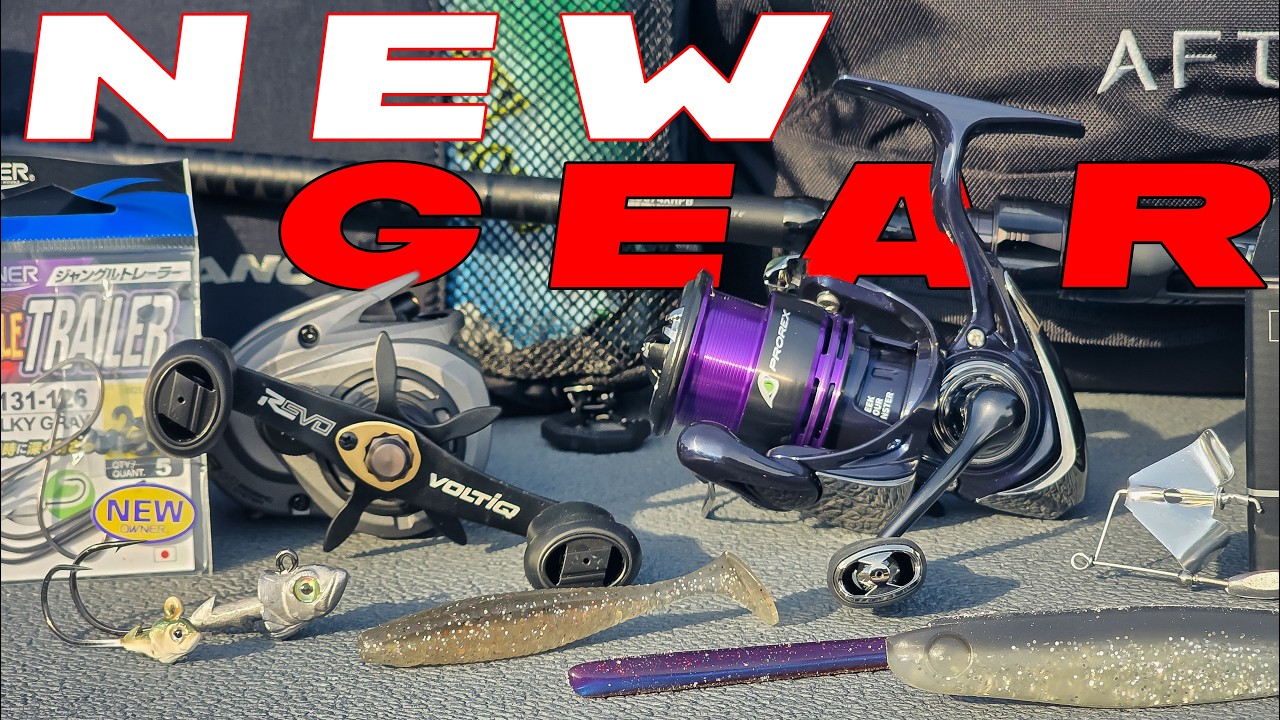
Choosing the right gear can significantly affect your success with shaky head fishing. For jig heads, weights ranging from 1/16 to 1/4 ounce are common, while heavier weights of 3/8 to 3/4 ounces are useful in deeper waters. "Lighter weights give the bait a slower fall, which can be crucial in cold weather," noted tackle expert Rob Newell.
"Lighter weights give the bait a slower fall, which can be crucial in cold weather,"
When it comes to head shapes, options are varied. Ball heads are valued for their versatility, while stand-up heads keep the worm tail upright. "The right shape can make all the difference in how the bait interacts with the bottom," said Newell. Tungsten heads, offering better sensitivity and a smaller size, are also becoming a preferred choice among serious anglers.
"The right shape can make all the difference in how the bait interacts with the bottom,"
Soft Plastics to Utilize
Finesse worms are a staple when it comes to soft plastics for shaky heads. Anglers often prefer straight-tailed options that enhance the bait’s quivering action. Brands like Strike King and Zoom provide excellent selections that help create the perfect look and movement underwater. According to expert angler Shaw Grigsby, "The buoyancy of your plastic can really dictate how effective your presentation is."
Conclusion
As anglers continue to hone their skills and techniques, the shaky head remains a prominent choice among those aiming to catch largemouth bass. By combining the right gear with a deep understanding of the water and fish behavior, you can maximize your odds when using this finesse approach. As Iaconelli aptly put it, "Mastering the shaky head is key to successful bass fishing in our ever-changing waters." With patience and practice, your next catch could redefine your fishing success story.