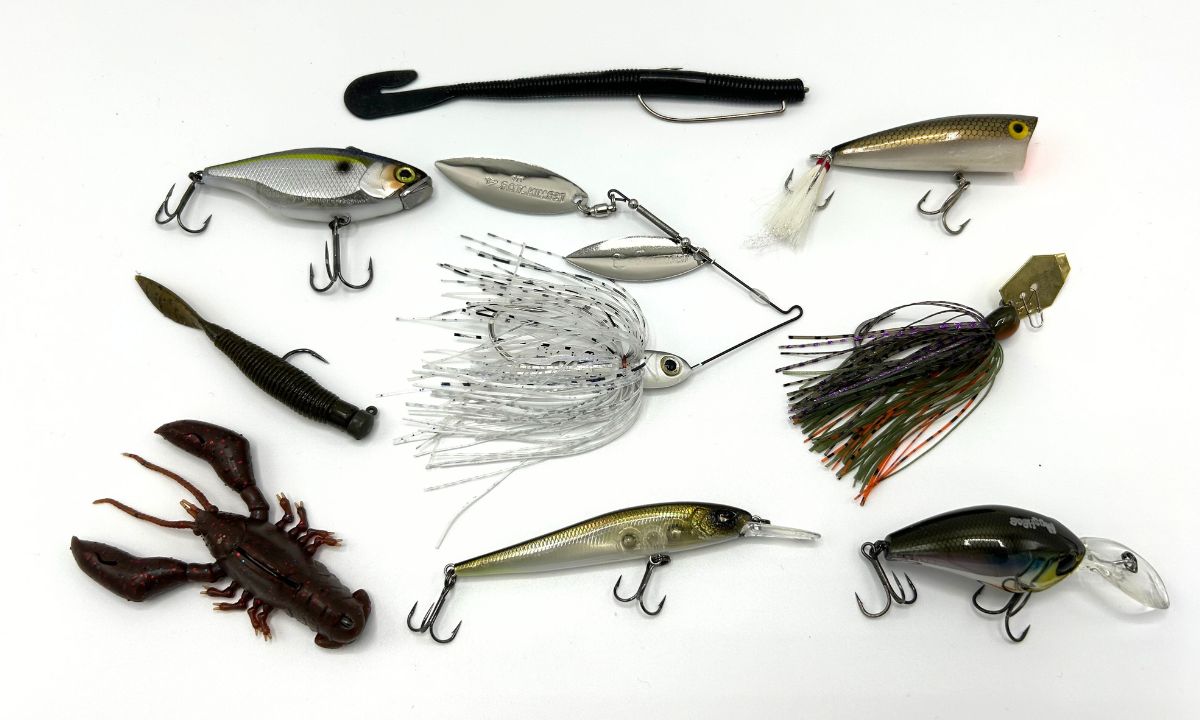
When it comes to selecting the right fishing lure, experience and adaptability play pivotal roles. As avid anglers know, finding the ideal lure often requires not just trial and error but also a keen understanding of various factors. "I like to start with a few different lures in mind to swap through until I find a good pattern," shared Nat, an experienced angler. By focusing on the target species, water temperature, clarity, and depth, anglers can increase their chances of success.
"I like to start with a few different lures in mind to swap through until I find a good pattern,"
The type of fish being targeted is critical in lure selection. Different species have specific feeding habits that influence the lures that will be effective. For example, "species like common carp and suckers feed on invertebrates and vegetation near the bottom of the lake or river," remarked Nat. To catch these fish, using live worms or corn on a hook can be particularly effective. In contrast, predatory fish such as bass, northern pike, and muskellunge are drawn to lures that resemble smaller prey.

"species like common carp and suckers feed on invertebrates and vegetation near the bottom of the lake or river,"
"This would include a large percentage of the [fishing lures](/gear/fishing-lure) on the market, from [crankbaits](/gear/crankbait) to inline spinners to jerkbaits and spoons," said Nat. These lures mimic common prey species, increasing the likelihood of eliciting a strike from hungry predators. Additionally, bluegills and smaller panfish are often best caught using small jigs or plastic baits that replicate invertebrates. Interestingly, Nat noted that bluegills are "extremely curious and will taste just about anything that falls into the water near them. A tiny piece of your lunch on a hook will almost certainly catch a bluegill."
"This would include a large percentage of the fishing lures on the market, from crankbaits to inline spinners to jerkbaits and spoons,"

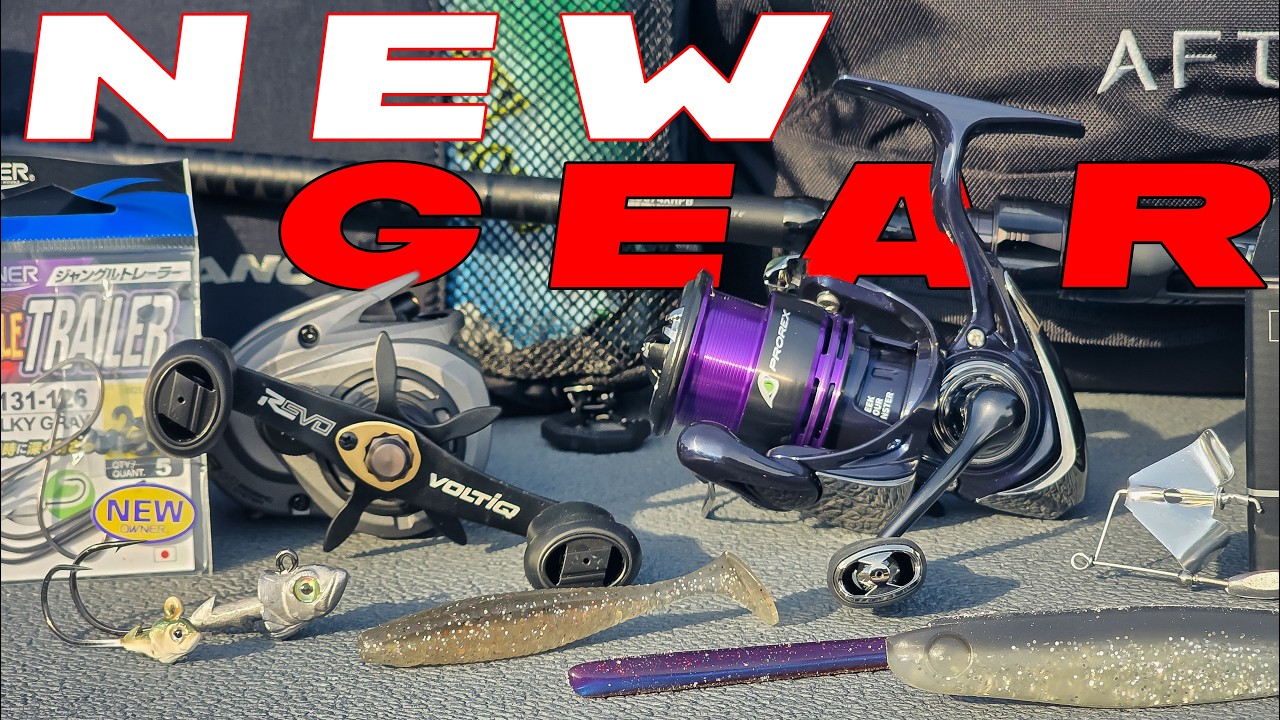
Understanding the target species and their natural diet is key. The phrase "match the hatch" encapsulates this principle, emphasizing the importance of selecting lures that closely resemble fish's natural food sources. This understanding leads to better odds of catching a prize fish.
"match the hatch"
Impact and Legacy
In addition to species, water temperature significantly influences fish behavior. Fish, being cold-blooded, have their activity levels and metabolism directly affected by water temperatures. Nat elaborated, "In colder water, downsizing or slowing down your bait can help to appeal to these sluggish fish and increase your chances."
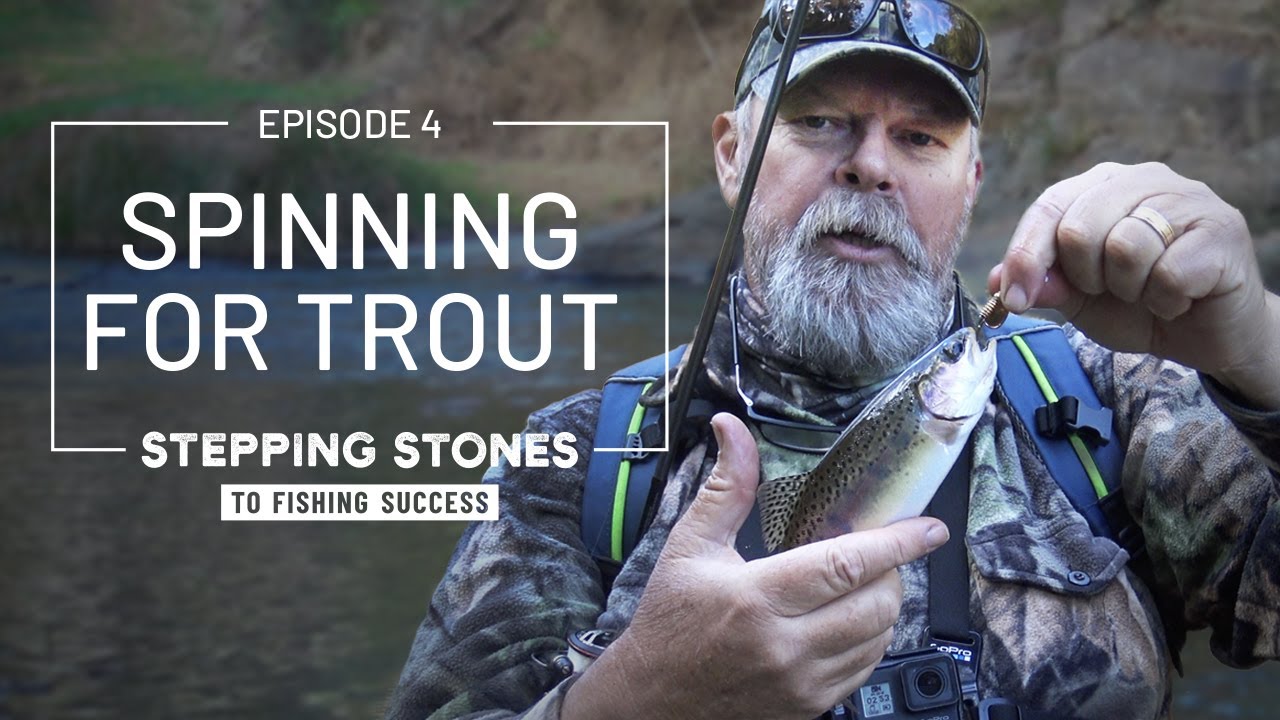
During chillier conditions, smaller lures and finesse tactics, such as neko-rigged plastics or dropshot rigs, can prove effective. However, not all cold-water fish are sluggish; some species like trout and salmon become more active, making quick-moving lures a viable option. Nat observed, "They will happily hit quick moving lures like inline spinners, crankbaits, jerkbaits, and spoons."
Next on the checklist is water clarity, which greatly affects fish's ability to spot lures. In murky water, increased noise and flash can attract fish to the lure. "Many crankbaits contain rattles inside that produce plenty of noise and vibration for the fish to notice," Nat explained. Lures such as inline spinners and spoons are also effective for their visual allure and sound production.
"Many crankbaits contain rattles inside that produce plenty of noise and vibration for the fish to notice,"
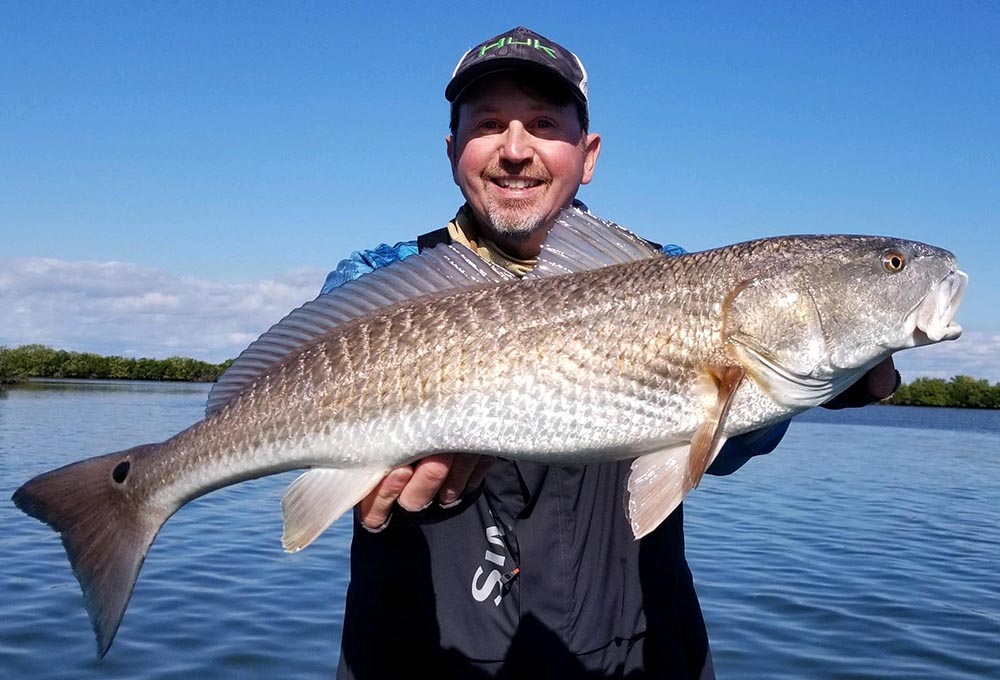
In clearer waters, fish tend to be more discerning, often avoiding unnatural-looking baits. As Nat advised, using natural colors becomes essential in these conditions. It's important to note that water clarity can shift rapidly due to weather conditions, such as storms stirring up sediment. "A storm event can drastically change the clarity and color of the water overnight," Nat noted, highlighting the need for adaptability while fishing.
"A storm event can drastically change the clarity and color of the water overnight,"
Race Results
When considering depth, it's vital to remember that different species favor specific water levels based on environmental conditions. Nat pointed out, "If all of the fish are down deep during a hot, sunny day and you’re working along the shoreline, you’ll likely have a slow day." Fish tend to seek shelter in heavier cover or deeper waters during bright conditions. Therefore, targeting shallows during low-light periods can yield better results, while structure and deep waters are advisable during midday.
In summary, understanding the nuances of fishing lure selection can enhance an angler’s experience and success on the water. By keeping in mind the species targeted, current water temperatures, clarity, and depth, fishers can optimize their tactics. As Nat concluded, successful fishing is often about combining knowledge with observation, ensuring you have the right tools for the task at hand.