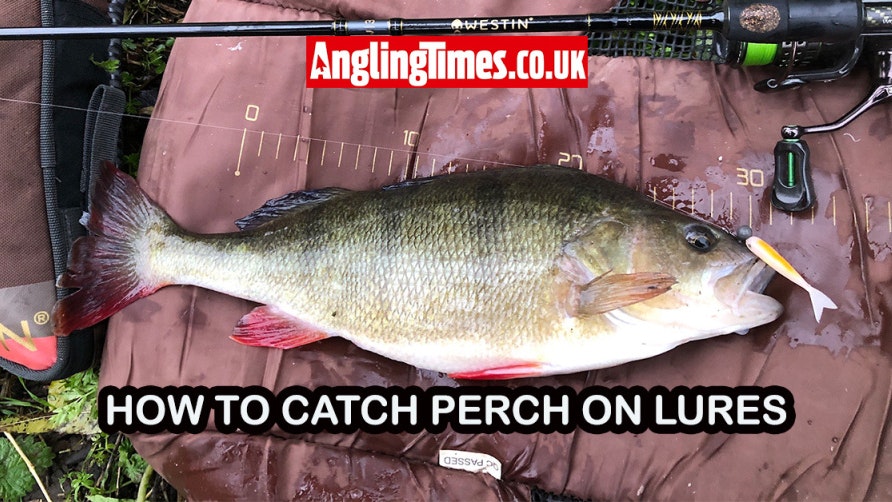
Lure fishing presents an exciting opportunity for those looking to engage with angling, particularly for beginners eager to catch perch. With their striking black stripes and spiky dorsal fins, perch are both visually appealing and formidable fighters, making them an ideal choice for novices. "You don’t need a mountain of kit or a full weekend to yourself," said angler James Furness. "A simple setup and the confidence to keep moving and casting is enough to put you in the game."
"You don’t need a mountain of kit or a full weekend to yourself,"
Perch can be found in numerous settings—canals, rivers, park lakes, and small stillwaters, making them accessible to a wide array of fishing enthusiasts. With their readiness to bite and the realistic, captivating presentation of lures, they make for thrilling targets. The appeal of lure fishing lies heavily in its straightforwardness. As explained by Furness, "You do not need loads of bait, a mountain of kit, or a complicated setup. A rod, a reel, a small box of lures, and a pair of forceps can get you started."

During autumn and winter, these colorful fish are especially active, which is a prime time for beginners to explore the sport. While traditional bait methods like lobworms can be effective, many angling newcomers are finding allure in lure fishing. "It's a quicker, more hands-on way to find fish and learn what is happening in the swim," said Furness. This allows budding anglers to grasp the dynamics of the catch much sooner.
"It's a quicker, more hands-on way to find fish and learn what is happening in the swim,"

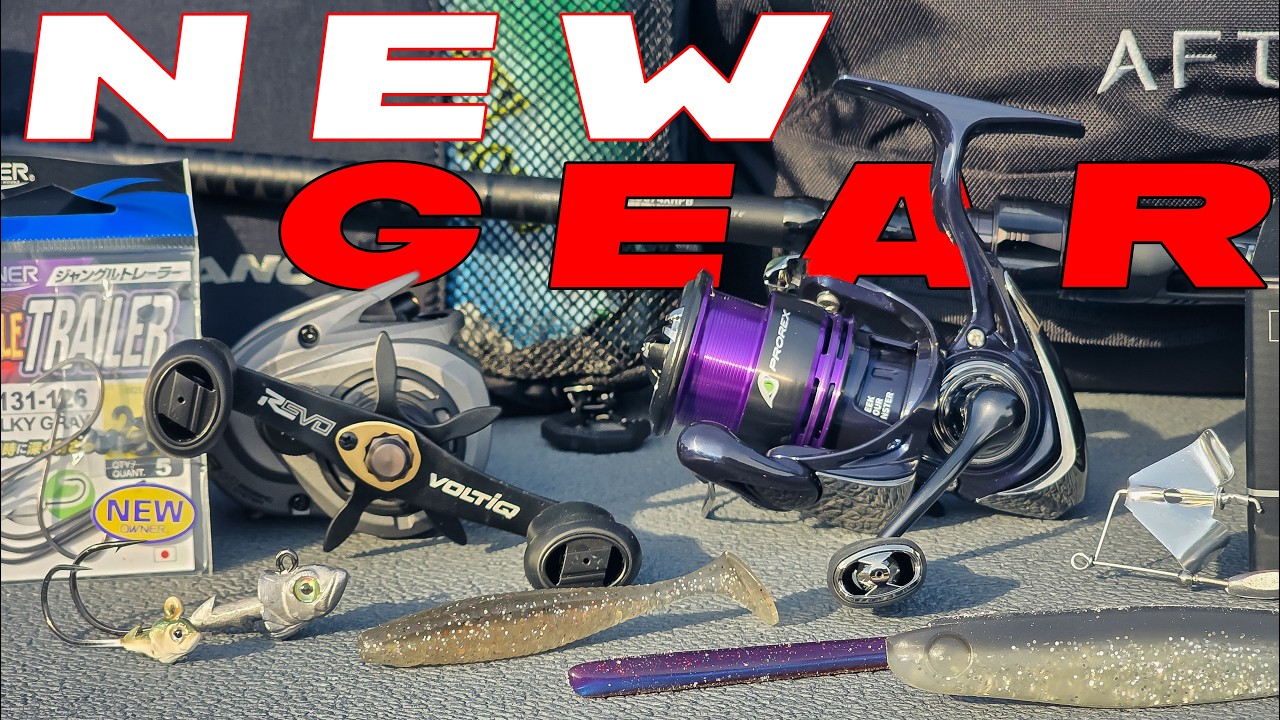
Getting started, however, requires the right setup. A 7-8 foot rod is recommended due to its capacity for casting and control. A casting weight in the range of 3-15g is ideal for small jig heads and compact hard baits. "Avoid going too heavy 'just in case' because it dulls bite detection," advised Furness, emphasizing the importance of being able to feel the subtlest takes.
"Avoid going too heavy 'just in case' because it dulls bite detection,"
Selecting the appropriate rod type can make a significant difference. The Fox Warrior Light Spin is suggested as a solid beginner's rod, priced at £39.99 and touted for its user-friendly nature. With a responsive tip, anglers can effectively work with soft plastics to entice perch without much hassle, as it balances the need for sensitivity and the strength to overcome obstructions. "Once you have a couple of perch under your belt, everything starts to click," Furness noted, encouraging beginners to maintain simplicity while they learn.
"Once you have a couple of perch under your belt, everything starts to click,"
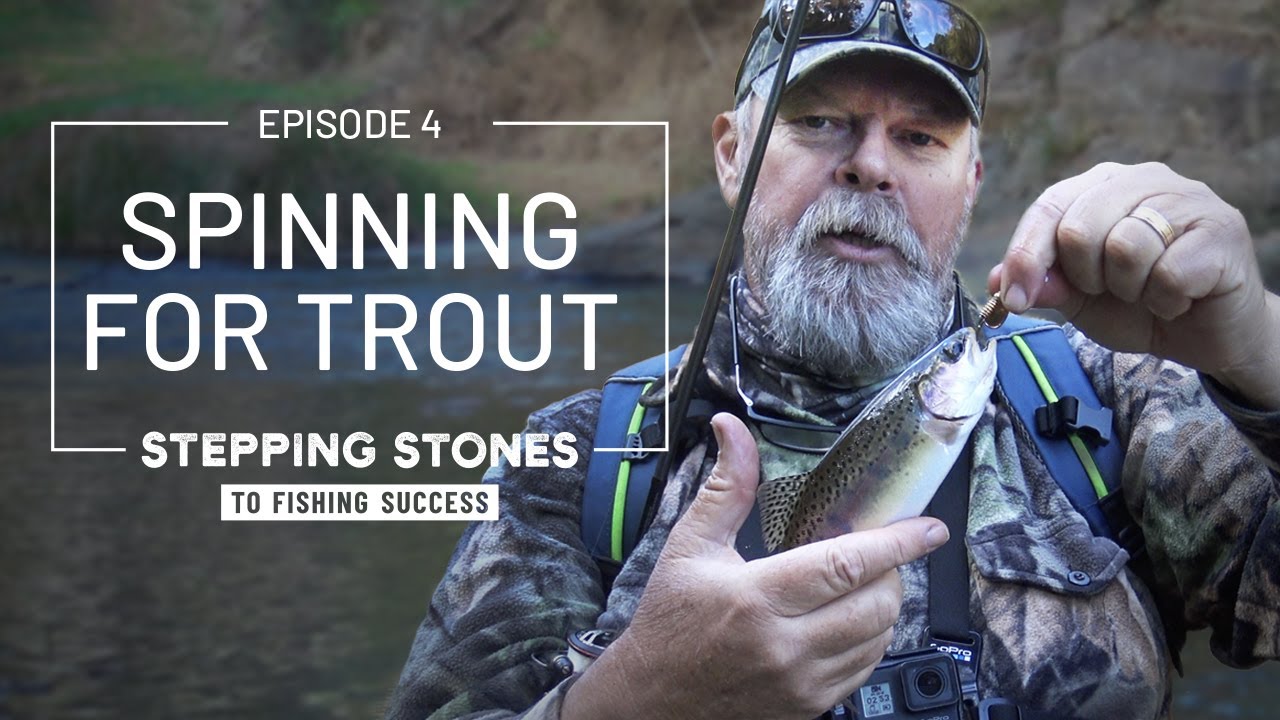
In addition to the rod, having a variety of lures keeps the fishing experience dynamic. Furness listed some essential lures, including the Fox Rage Mini Tiddler Soft Lures and the Salmo Rattlin' Executor SDR Hard Crankbait as favorites that can enhance one’s success on the water. This variety helps anglers adapt to different environmental conditions and the peculiar behaviors of perch.
Staying mobile while fishing is crucial, especially since perch are not always in the same place. As Furness remarked, "If you can move, cast, and cover water, you will find them far more often." Getting into the groove of casting and retrieving will improve an angler's success rate, as staying engaged and adaptable increases the likelihood of encounters with these eager predators.
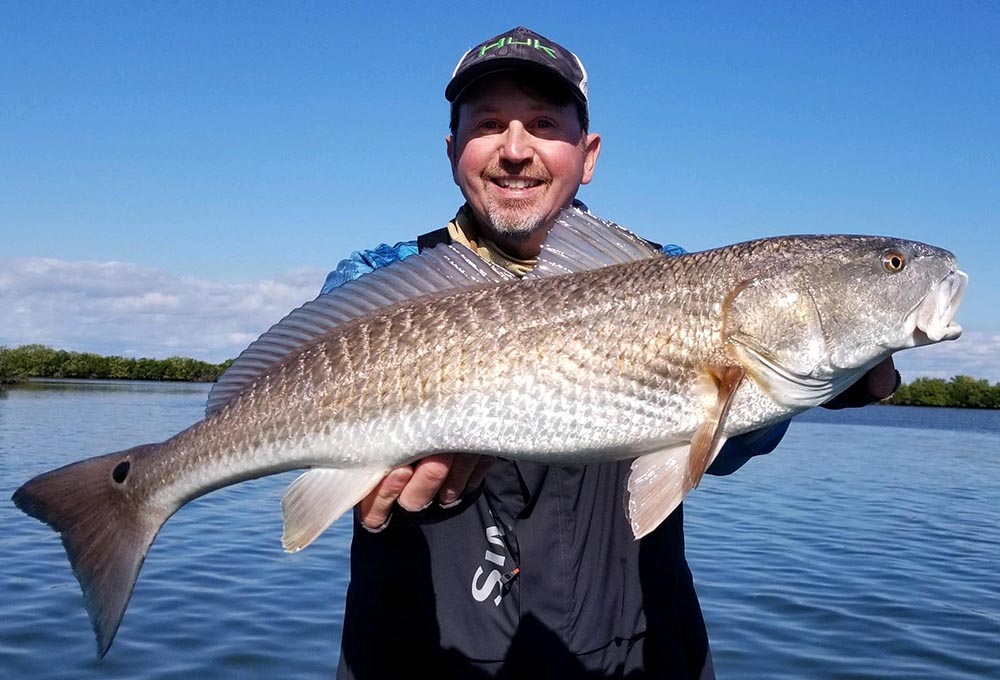
In conclusion, lure fishing for perch opens doors to an engaging and fruitful pastime for beginners. With the right equipment—like a reliable rod, assorted lures, and a firm grasp of casting techniques—anglers can experience the thrill of catching perch more often. As Furness noted succinctly, "Get it right, and you can land a PB perch."