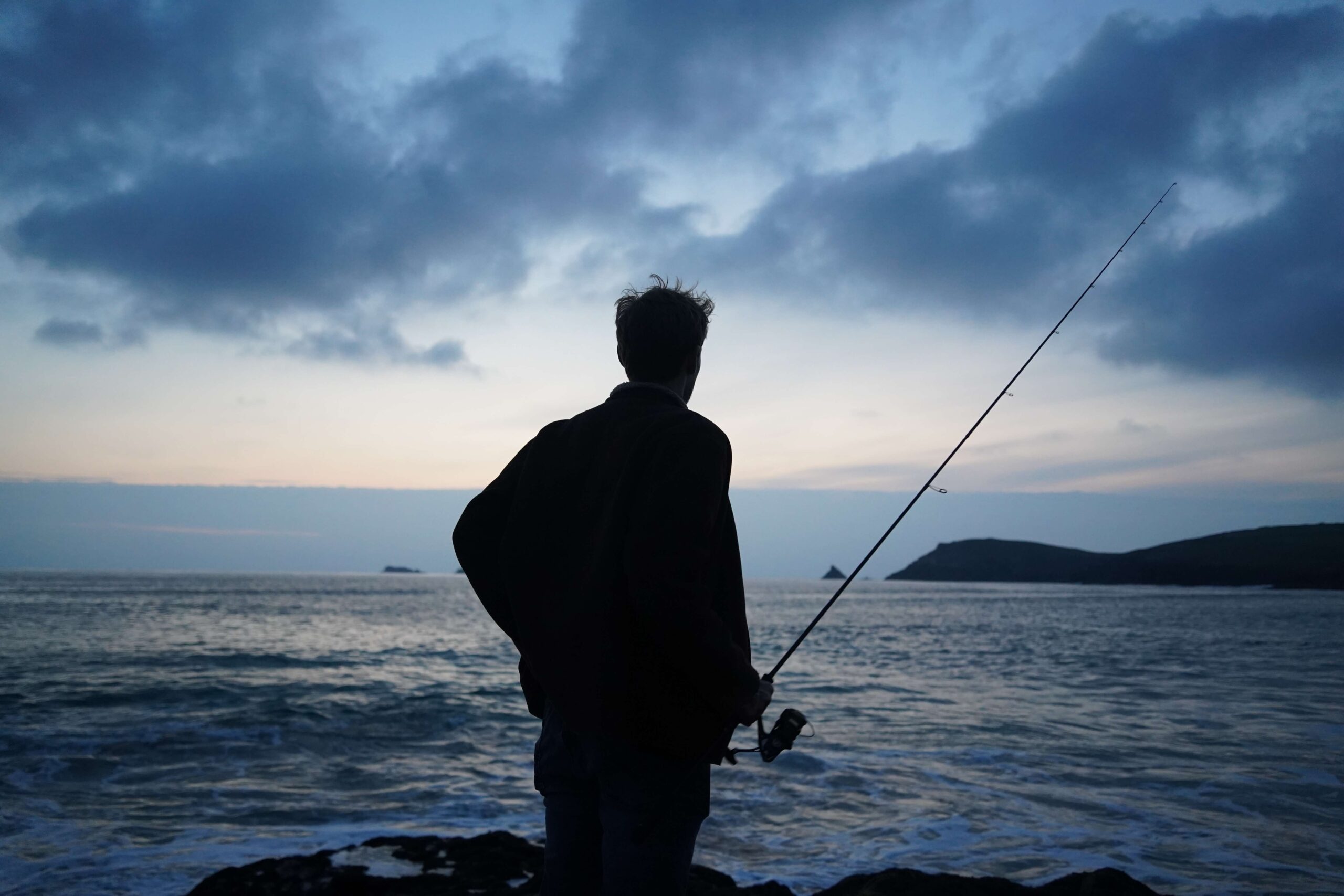
Lure fishing is an exciting activity that captivates enthusiasts across the UK. For those just starting on this journey, understanding the basics is vital. This guide aims to equip beginners with the necessary knowledge to effectively target various UK fish species using a lure fishing setup.
Few pastimes draw people as much as the thrill of fishing. It could very well be that one of our distant ancestors first cast a line by tying a feather to a hook. That primordial act has transformed over generations into the sophisticated sport of lure fishing we know today. As anglers, we remain enchanted with the unpredictable nature of fishing. “The charm of fishing is that it is the pursuit of what is elusive but attainable, a perpetual series of occasions for hope,” said John Buncan. This essence is what keeps us casting our lines.
The sea is ever-changing, and as a fisherman, one must remain adaptable. While you might set out expecting to catch a mackerel, the reality could yield a completely different surprise, such as a squid or even witnessing a whale breach the surface nearby. "I hope we never figure out how to make sense of all the factors that determine if we will catch a fish," an anonymous observer mused. The randomness of fishing, coupled with unexpected happenings—like a seal stealthily snatching your target—fuels the mystery and excitement of the sport.

"I hope we never figure out how to make sense of all the factors that determine if we will catch a fish,"

Success in lure fishing lies in making educated guesses about when and where to fish. While nature is unpredictable, certain elements remain constant. Knowledge about tides, weather, and seasonal habits of different fish can be your advantage. “It is better to be lucky. But I would rather be exact. Then when luck comes you are ready,” stated Ernest Hemingway in his classic work, *The Old Man and the Sea*. Utilizing resources like the BBC Tides and Weather apps or the Navionics web app can help you map out the best fishing spots and conditions.
Career Journey
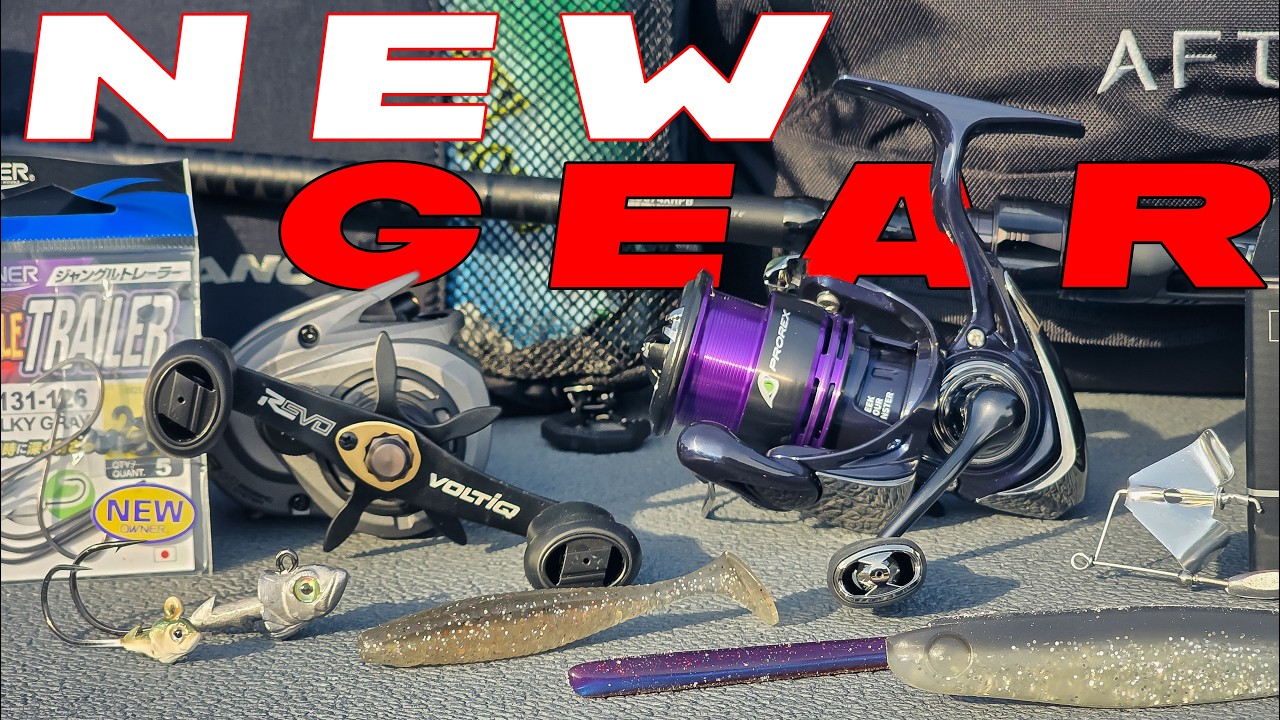
Historically, lure fishing in the UK has undergone substantial changes over the past two decades. Back in the early 2000s, shore fishing was characterized by anglers wielding heavy reels and stiff rods often exceeding 10 feet in length. Using thick monofilament line, they relied heavily on classic lures like red gills and mackerel feathers, needing additional weight just to cast effectively.
However, advancements in tackle technology have reshaped this landscape. The influx of Japanese and American fishing gear has dramatically changed how anglers approach fishing in British waters. “If you go to a harbour wall in summertime and you meet somebody fishing the pre-2000’s way and somebody fishing with modern lure fishing kit, you will see that they are completely different approaches,” noted a tackle shop owner. This transformation brought forward lighter rods that allow the use of finer lines and a wider range of lures, which are particularly effective for predatory species like bass.
Summertime fishing often sees many targeting mackerel due to their abundance, but modern setups provide the capability to explore diverse fishing strategies. This not only makes the fishing experience more enjoyable but also increases the likelihood of a successful catch.
Ultimately, the evolution of lure fishing in the UK reflects the ongoing love affair anglers have with the sport. As techniques and equipment continue to develop, so too does the community's ability to share knowledge and experiences with newcomers. Engaging with local fishing guides or joining community forums can also enhance your understanding and skills in lure fishing.
Whether you’re waiting for a tug on your line or simply soaking in the surroundings, lure fishing offers a unique combination of anticipation and tranquility. The mystery of the sea and the potential for connection with nature keeps anglers returning time and again. By honing your skills and leveraging the best practices, you set yourself up for a rewarding fishing experience that honors the rich tradition of our ancestors who first cast their lines into the unknown.