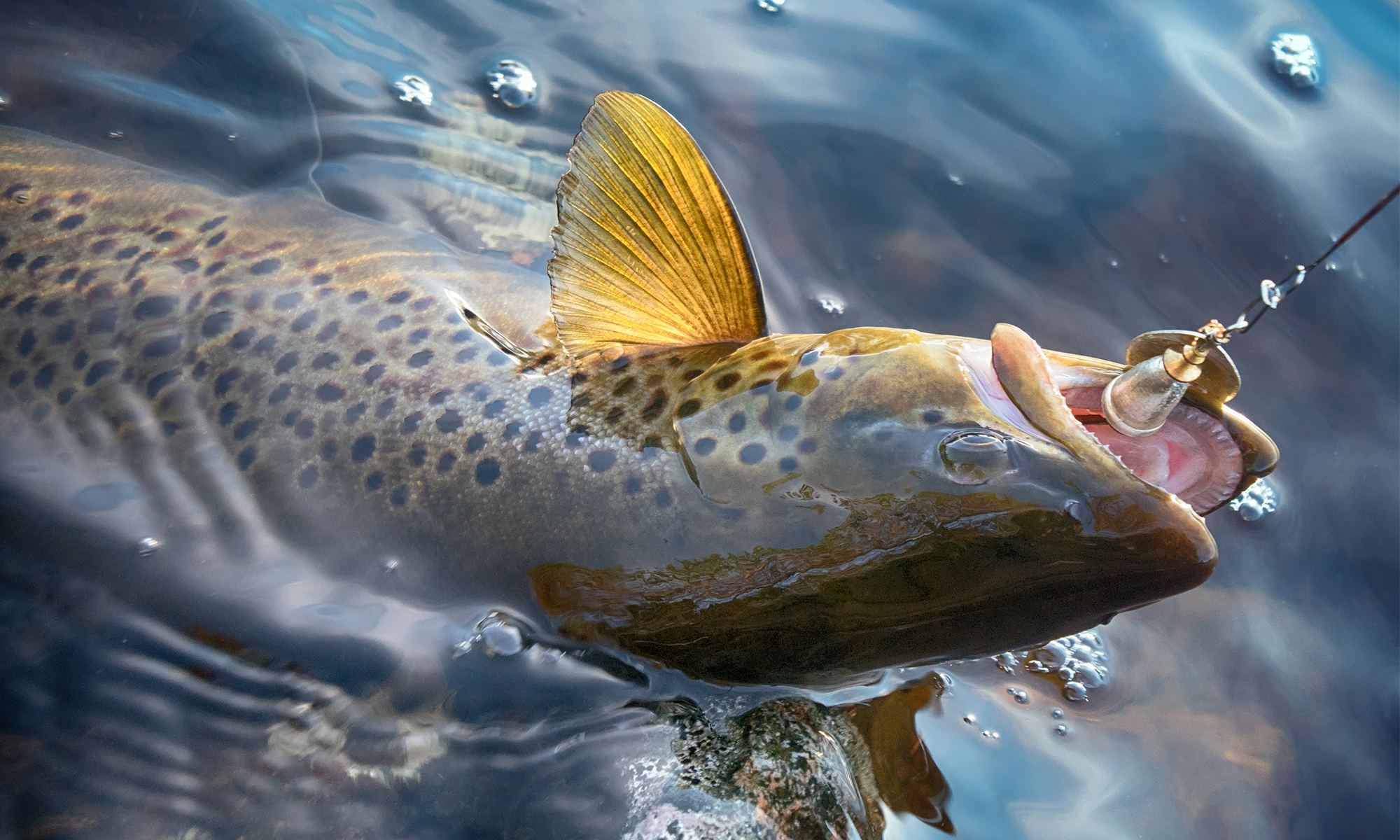
While fishing enthusiasts typically stock their tackle boxes with lures of various types, colors, and actions, many overlook one of the most critical factors in successful angling: lure size. This fundamental aspect of fishing strategy can mean the difference between a productive day on the water and going home empty-handed.
"There isn't some formula to calculate which lure size for which fish size," explains an experienced angler. "But, in general, smaller fish will bite smaller lures, while larger lures will be more visible and attractive to larger predators." This simple principle forms the foundation of effective lure selection, yet its application requires careful consideration of multiple variables.
"There isn't some formula to calculate which lure size for which fish size,"

The body of water itself plays a crucial role in determining appropriate lure size. A massive 15-inch swimbait that might be perfect for pursuing trophy bass in a large reservoir becomes completely impractical in a small pond. Conversely, a tiny 1-inch tail grub that works wonders for panfish in shallow water won't generate the attention needed for deep-sea trolling operations.

**Species-Specific Strategies**
Impact and Legacy
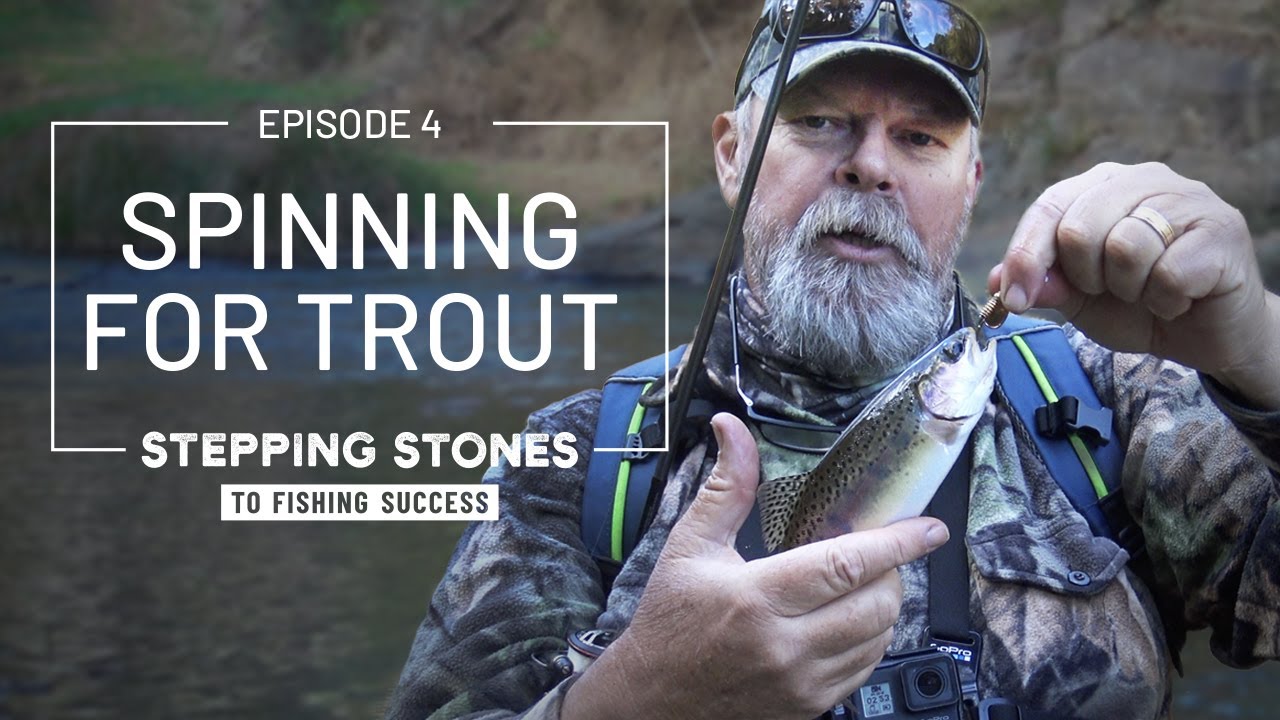
Different fish species exhibit distinct feeding behaviors that directly influence lure size selection. Trout, known for their selective nature, generally respond better to smaller presentations. "In general, smaller lures are more effective for trout fishing," shares a seasoned trout fisherman. Rainbow and brown trout typically respond to lures weighing 1/8 to 1/4 ounce, while the smaller brook trout prefer even lighter offerings in the 1/16 to 1/8 ounce range.
"In general, smaller lures are more effective for trout fishing,"
Bass fishing presents a different scenario entirely. These aggressive predators will strike various lure sizes, but larger specimens typically favor substantial meals. Largemouth bass, the heavyweight of the bass family, respond well to lures ranging from 3/8 to 1 ounce. Their smaller cousins, smallmouth bass, prefer more modest presentations between 1/8 and 3/8 ounce.
For anglers targeting apex predators like pike and musky, substantial lures are essential to trigger strikes from these massive fish. Musky, often called "the fish of 10,000 casts," typically require lures weighing 1 to 2 ounces to capture their attention in vast waters. Pike, while slightly smaller, still demand respectable lure weights between 1/2 and 1 ounce.
"the fish of 10,000 casts,"
Salmon and steelhead fishing requires different considerations based on the specific species. Chinook salmon, the largest Pacific salmon species, respond to lures weighing 3/8 to 1 ounce. Coho salmon prefer slightly smaller presentations in the 1/4 to 3/8 ounce range, while steelhead typically strike lures weighing 1/4 to 1/2 ounce.
Panfish enthusiasts must scale down considerably when targeting species like bluegill and crappie. Bluegill, with their small mouths, require tiny lures weighing just 1/32 to 1/16 ounce. Crappie can handle slightly larger presentations, typically responding to lures between 1/16 and 1/8 ounce.
**Saltwater Considerations**
Saltwater fishing introduces entirely different variables, with diverse species ranging from small inshore fish to massive pelagic predators. Flounder fishing requires lures spanning a wide weight range from 1/4 ounce to 1 ounce, depending on current conditions and depth. Tuna fishing demands the heaviest presentations, with lures weighing 2 to 8 ounces needed to reach these deep-water speedsters.
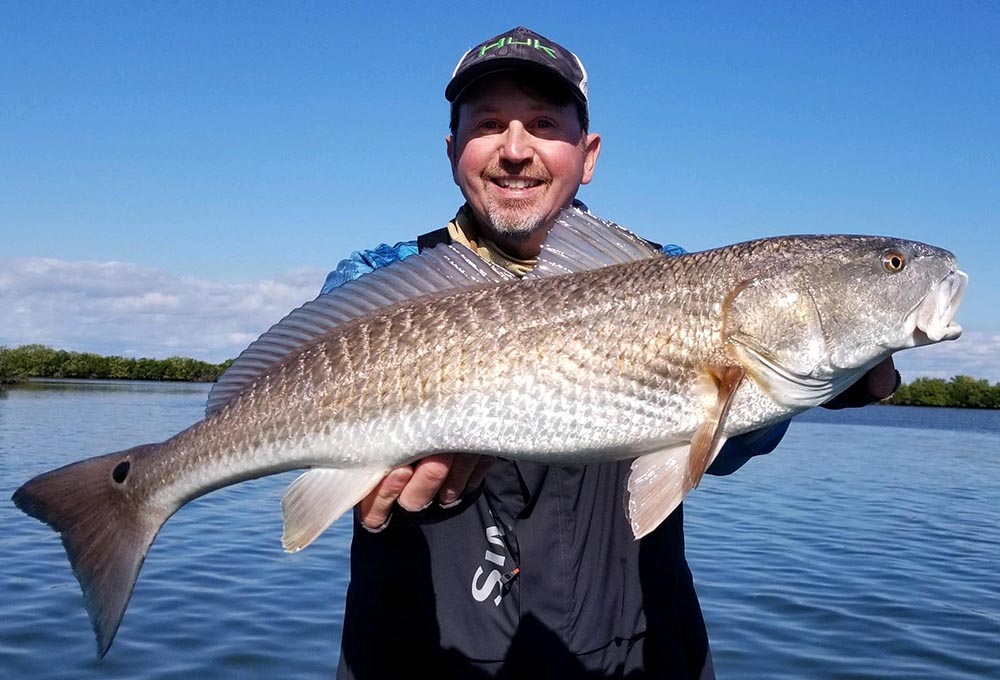
Inshore species like tarpon, snook, and redfish fall into more moderate ranges. Tarpon, despite their impressive size, respond to lures weighing 1/2 to 2 ounces. Both snook and redfish typically strike lures in the 1/4 to 1/2 ounce range, making them accessible to anglers using standard bass fishing equipment.
**Lure Type Variations**
Different lure types require specific size considerations beyond simple weight measurements. Jigs, among the most versatile lures available, offer options for virtually every fishing scenario. "The size of the jig you choose will depend on the species of fish you are targeting and the depth of the water you will be fishing in," explains a local tackle shop owner.
"The size of the jig you choose will depend on the species of fish you are targeting and the depth of the water you will be fishing in,"
For deep-water fishing targeting walleye, pike, and large bass, jigs weighing 3/8 to 1/2 ounce provide the necessary weight to reach bottom quickly. Mid-range situations calling for 1/8 to 1/4 ounce jigs work well for larger trout and bass in moderate depths. Shallow water panfish and smaller trout respond best to ultra-light jigs weighing 1/32 to 1/16 ounce.
Spinnerbaits, which rely on vibration and flash to attract fish, require similar weight considerations based on depth and target species. "The size of the spinnerbait you choose will depend on the species of fish you are targeting and the depth of the water," notes a fishing expert. Heavy spinnerbaits weighing 3/4 to 1 ounce excel for musky and large predators in deep water, while 3/8 to 1/2 ounce versions work well for bass and pike. Light spinnerbaits between 1/8 and 1/4 ounce prove effective for panfish and small bass in shallow areas.
"The size of the spinnerbait you choose will depend on the species of fish you are targeting and the depth of the water,"
Crankbaits, designed to imitate swimming baitfish, are available in sizes ranging from tiny 1/16 ounce models to oversized versions exceeding 1 ounce, each designed for specific fishing scenarios and target species.
Impact and Legacy
While these guidelines provide a solid foundation for lure selection, successful anglers understand that fishing conditions can dramatically alter lure effectiveness. Water clarity, weather conditions, seasonal patterns, and local forage all influence the optimal lure size choice, making experimentation and adaptability essential skills for consistent fishing success.