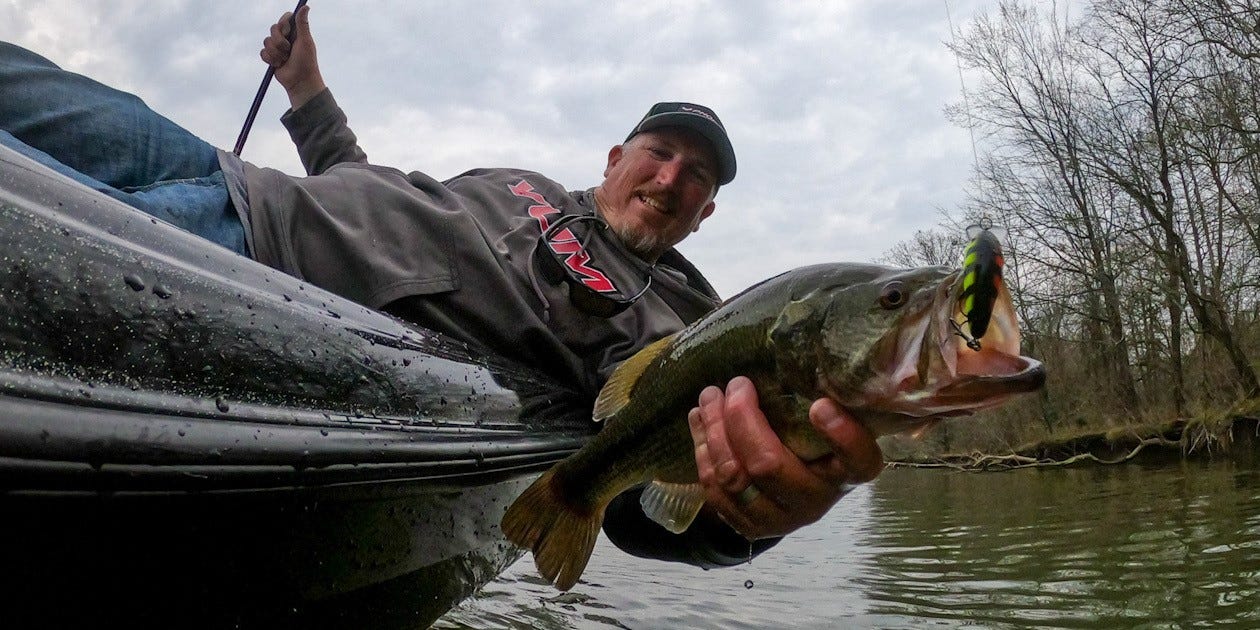
[Crankbaits](/gear/crankbait) are widely recognized as one of the top choices for anglers targeting bass, given their versatility and effectiveness throughout the fishing season. However, choosing the right crankbait can be overwhelming due to the plethora of options available.
"There’s no magic bullet for any given characteristic," said fishing expert and angler Mike Thompson. He emphasizes the importance of understanding the primary variables that influence crankbait performance. This insight allows anglers to make more informed choices instead of relying on luck.
"There’s no magic bullet for any given characteristic,"

One of the most noticeable factors in crankbait selection is size. It plays a crucial role in attracting bass. "A large crankbait suggests many calories gained from a single meal to a fish and sometimes works best for large and aggressively feeding bass," explained tournament angler Sarah Johnson. Conversely, smaller crankbaits can be more effective when fish are less aggressive, resembling an easy target for more tentative bass.
"A large crankbait suggests many calories gained from a single meal to a fish and sometimes works best for large and aggressively feeding bass,"
The size of local forage also informs which crankbait to choose. Furthermore, larger baits typically weigh more, permitting longer casts and better control in breezy conditions, while smaller ones align well with light tackle scenarios.
Impact and Legacy
Crankbait profile also significantly influences bass perception. A rounded, thicker crankbait can appear larger in water compared to a slender model of the same size. The specific shape and profile details can help anglers match the forage more effectively, which is vital for success. "It's all about matching the hatch," said professional fisherman Larry Rogers.
"It's all about matching the hatch,"
Another essential aspect to consider is the crankbait's depth range. Selecting a lure that can navigate the water column effectively is vital. "You want a crankbait that will bump the bottom or kick key cover without getting snagged constantly," said angler Jessica Lee. This approach is crucial whether working along a shallow bank or targeting offshore structures where baitfish are likely to congregate.
"You want a crankbait that will bump the bottom or kick key cover without getting snagged constantly,"
To improve chances of success, it's advisable to have various crankbaits available that can target different depths. For example, the Bandit Series offers three models that share the same design yet run at varying depths, allowing for more adaptable fishing options.

While depth ranges indicated on the packaging are useful, they often depend on the specific line size and casting distance employed. Professional angler Tom Fisher noted, "These specifics can vary, especially if you’re using heavier line or light fluorocarbon."
Impact and Legacy
Wobble patterns of crankbaits further complicate selection. "Crankbaits can wobble on two primary axis points, swaying laterally or rolling with top-to-bottom movement," said expert analyst Chris Martin. While some anglers might describe a crankbait's wobble as tight, others might use the term wide. The truth is, many crankbaits fall somewhere in between, impacting how they interact with fish.
"Crankbaits can wobble on two primary axis points, swaying laterally or rolling with top-to-bottom movement,"
The swimming action of a crankbait affects its attractiveness to different types of bass. "Tighter actions are best for clear water or high-pressure scenarios where the bite is tough," suggested Thompson. Understanding these nuances can give anglers a significant advantage.
"Tighter actions are best for clear water or high-pressure scenarios where the bite is tough,"
Lastly, the ability of crankbaits to deflect off cover is paramount in navigating obstacles in the water. Not all baits handle snags equally well. "Bill shape is crucial; some baits deflect better due to squared corners or wider sections that hit the cover first, allowing the bait to bounce off," explained expert guide Brian Cook. Those that deflect effectively can draw aggressive strikes from bass.
"Bill shape is crucial; some baits deflect better due to squared corners or wider sections that hit the cover first, allowing the bait to bounce off,"
Impact and Legacy
When assessing a crankbait’s design, the angle and sharpness of the lip shape also impact deflection and how the lure reacts when it contacts various structures. Johnson remarked, "Lures that flare hard when they bump cover can be particularly effective for drawing strikes from feeding bass."
In conclusion, knowing how to navigate the complexities of crankbait selection can lead to more successful fishing outings. It’s about understanding the depth, size, wobble, and cover deflection to match the conditions of the day. Armed with this knowledge, anglers can enhance their strategies and ultimately increase their bass catches.