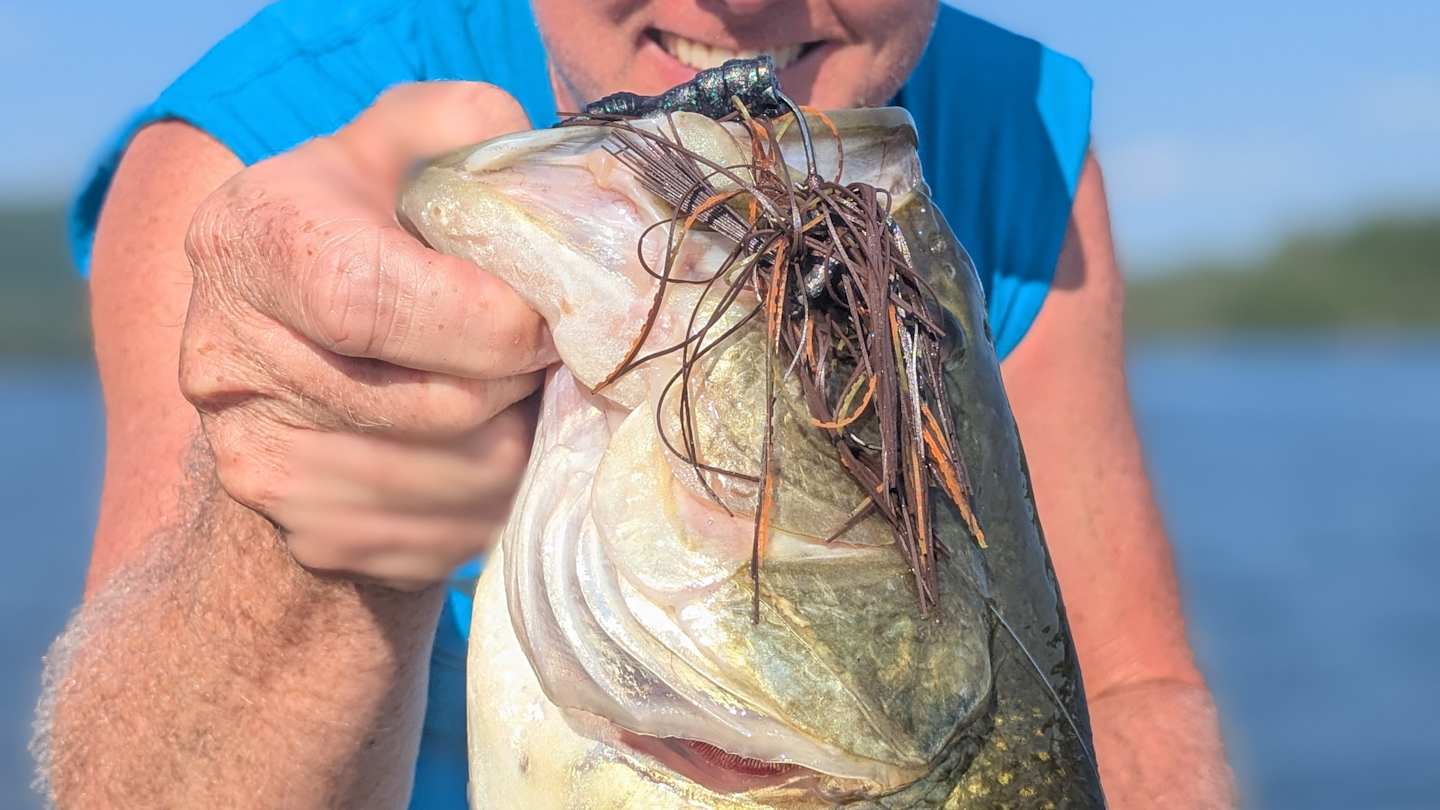
The flipping jig is renowned among anglers as a top choice for catching largemouth bass. Justin Hoffman, an avid angler, emphasizes its effectiveness, stating, "A flipping jig exudes fishability. It's designed to be pitched, dunked, swum, or skipped into any and all cover or structure a bass calls home.
" This versatility not only enables anglers to catch numerous bass but also the trophy-sized giants. Despite being a great bait right out of the package, Hoffman believes that tweaking your flipping jig can elevate your catching success. "Tweak your flipping jigs before taking that first cast to increase your odds for catching more and bigger largemouth bass," he advises.
"Tweak your flipping jigs before taking that first cast to increase your odds for catching more and bigger largemouth bass,"


Hoffman’s confidence in flipping jigs transcends various conditions—be it weather or water type. Yet, he notes that these jigs often require modifications to enhance their performance. Simple adjustments, such as trimming the weed guard and skirt, gluing the rubber skirt band, and sharpening the hook, can boost your catch rate.
One of the first modifications Hoffman suggests involves the weed guard, which typically comes too long and stiff from manufacturers. He recommends trimming about a quarter-inch and shaping it at a 45-degree angle. "Trimming and thinning the weed guard allows for more efficient hook penetration without compromising the snag-resistant qualities of the bait," he explained.
"Trimming and thinning the weed guard allows for more efficient hook penetration without compromising the snag-resistant qualities of the bait,"
This adjustment can make a significant difference when a bass strikes. Hoffman shares a straightforward method for optimizing the weed guard: "I cut approximately 1/4 inches of guard, at a 45-degree angle, leaving the bottom of the guard just past the tip of the hook point. " Additionally, he removes roughly six nylon strands, cutting them flush at the jig head and adjacent to the line tie.
After these cuts, it’s important to fan out the weed guard, enhancing its weedless properties and reducing resistance when a bass bites. Following the weed guard modification, securing the skirt is the next step. Hoffman advises adding a few drops of glue to hold the skirt in place more effectively.
He notes, "After landing a bunch of bass, the skirt can loosen, so gluing it down helps maintain its position and presentation. " This minor adjustment ensures that your bait remains attractive and functional throughout your fishing trip. Lastly, taking a moment to sharpen the hook can lead to improved landing rates.
A sharp hook penetrates better, increasing the chances of successfully hooking a bass. According to Hoffman, "A few simple tweaks can truly turn a good day of fishing into a fantastic one. You may find that more fish stick to the line!
" Anglers looking to maximize their time on the water may find these modifications invaluable. Before heading out for your next fishing adventure, consider customizing your flipping jig to ensure it's primed for success. By implementing these easy changes, you can have a more productive day and potentially land that coveted trophy largemouth bass.
Looking Ahead
Looking Ahead
Looking Ahead
Looking ahead, staying abreast of innovative techniques like these can continually enhance your fishing skills. Always be open to learning new methods that could refine your approach and improve your overall success in the sport of fishing.