
Trolling is a widely used technique among anglers, yet even experienced fishermen can overlook a vital component of successful fishing—how their lures swim. This critical aspect can significantly impact the difference between a poor outing and a day full of catches. As the warmer months approach and trolling becomes more prevalent, ensuring that lures accurately mimic real baitfish movements becomes increasingly crucial.
"Fish don’t randomly attack everything they see," said a local fishing expert. The erratic and dynamic movements of bait are what attract gamefish. When trolling, lures must convincingly simulate the behavior of struggling or unaware baitfish. Gamefish such as bass, trout, and walleye—and even bigger species like tuna—are more likely to strike if they perceive a vulnerable prey in their vicinity, making realistic movement essential.
"Fish don’t randomly attack everything they see,"


Race Results
A frequent issue for many anglers is trolling at an incorrect speed. Whether too fast or too slow, each scenario can result in unnatural lure action. "A good rule of thumb is to start slow and gradually increase speed while observing lure behavior behind the boat," noted a seasoned angler. There are optimal speed ranges for crankbaits, spoons, and soft plastics; going beyond these limits can ruin their effectiveness.
"A good rule of thumb is to start slow and gradually increase speed while observing lure behavior behind the boat,"
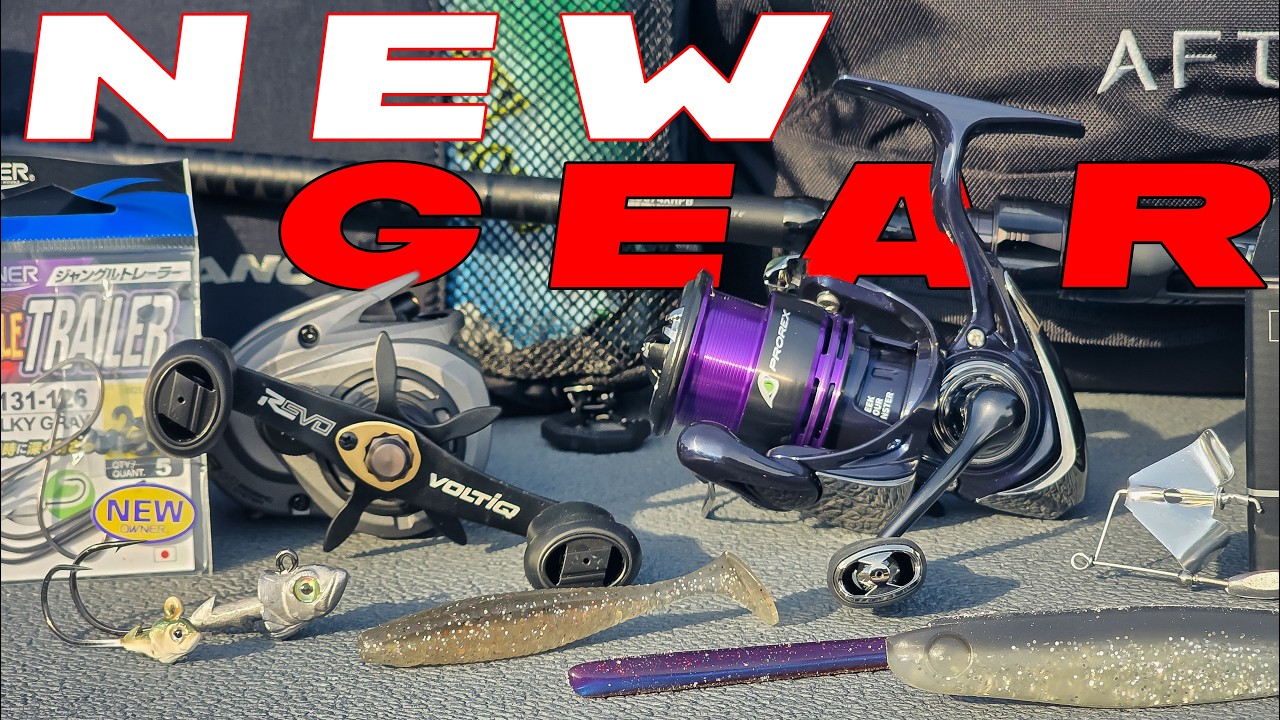
Advancements in technology, particularly GPS trolling motors, are transforming the fishing experience. These devices, now favored among freshwater and inshore anglers, allow for a consistent speed that enhances overall presentation. As more enthusiasts adopt these high-tech tools, maintaining the ideal pace while trolling has become easier.
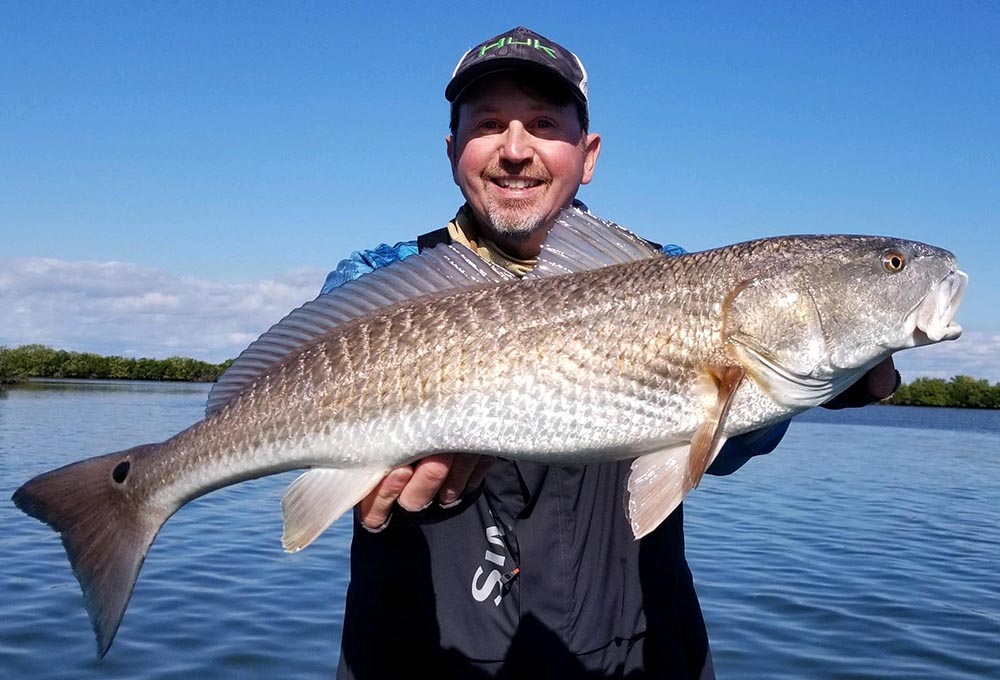
Before casting, testing lures for proper performance is a recommended practice. "If a crankbait veers off to one side or spins awkwardly, it needs tuning," advised a veteran fisherman. Simple adjustments—like bending the eyelet with pliers—can correct errant swimming patterns. Many anglers are also opting for pre-tuned lures made by trusted brands like Rapala and Strike King, which are designed to operate effectively right out of the box.
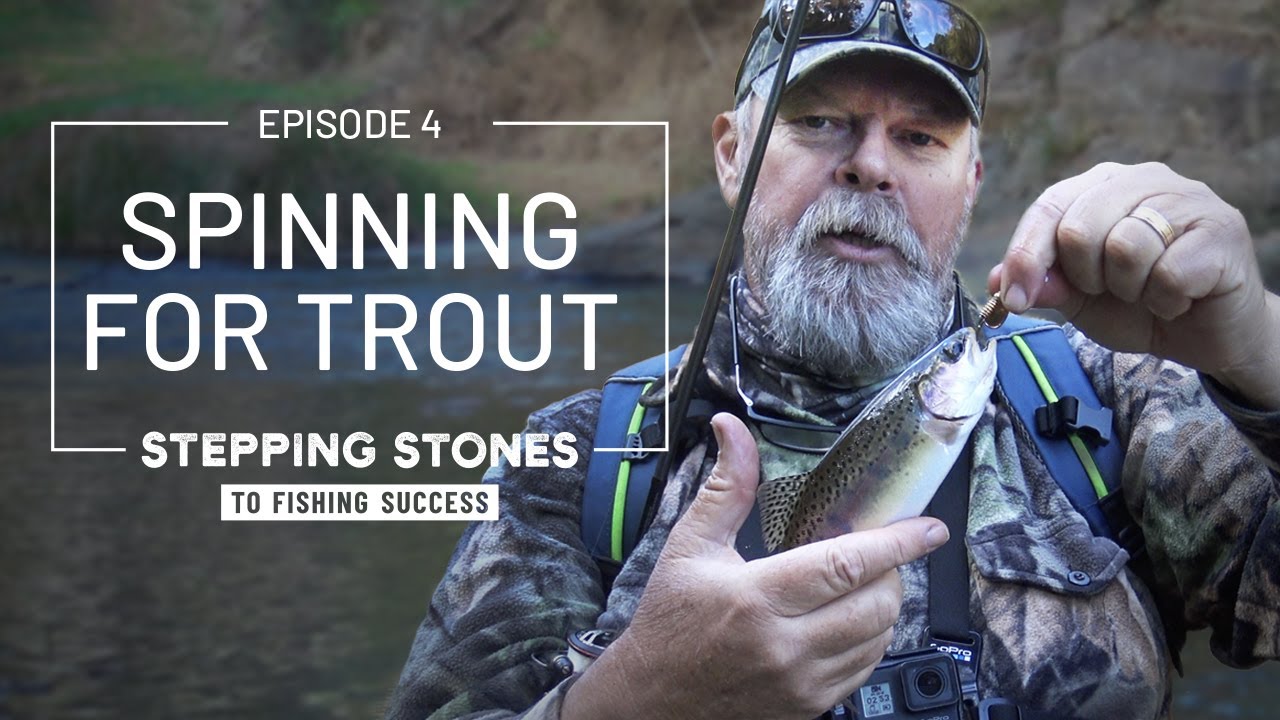
"If a crankbait veers off to one side or spins awkwardly, it needs tuning,"
Choosing the right fishing line and leader is another critical factor in lure performance. Anglers are now realizing that heavier lines can impede the natural action of lightweight lures. "To make trolling lures swim like real bait, match the line diameter to the lure size, and consider using fluorocarbon leaders," shared a fishing tackle specialist. Known for their clarity and capacity to maintain lure action even at depth, fluorocarbon leaders are becoming a preferred choice this season.
"To make trolling lures swim like real bait, match the line diameter to the lure size, and consider using fluorocarbon leaders,"
Combining braided mainlines with fluorocarbon leaders offers excellent sensitivity while allowing the lures to maintain freedom of movement. This setup has gained popularity, especially during spring trolling when fish like walleye frequent mid-depths.
Current Season
Current Season
Current Season
Depth and current conditions significantly influence trolling effectiveness. "Fish suspend at specific depths based on water temperature and bait activity," explained a fisheries biologist. Utilizing diving charts or line counter reels helps anglers position lures correctly. Additionally, tools like downriggers and planer boards—trending as the season changes—aid in covering diverse water columns to boost visibility.
"Fish suspend at specific depths based on water temperature and bait activity,"
Race Results
Current flow can also alter lure presentation, with strong currents potentially dragging lures unnaturally. "Always troll into the current when possible; it enhances lure action and creates a more convincing baitfish profile," advised an experienced charter captain. This technique can often yield better results on the water.
"Always troll into the current when possible; it enhances lure action and creates a more convincing baitfish profile,"
Matching the hatch is a critical aspect of selecting lures. According to local experts, the color, size, and shape of lures should closely imitate the prevalent forage fish, like shad or smelt, in that particular body of water. As the seasons change, fish diets evolve, so staying attuned to these shifts can offer a competitive edge.
Ultimately, success while trolling hinges on the details. Fine-tuning lures to achieve lifelike swimming motion can convert a lackluster fishing trip into an exciting one. As a fishing enthusiast noted, "When fish see something that looks alive, they chase — and strike.” This simple adjustment can indeed make all the difference in attracting those elusive bites.