
As outdoor recreation continues to grow in popularity, fishing remains one of the most accessible and rewarding pursuits for nature enthusiasts across generations. A new comprehensive fishing guide has emerged to help both novice and experienced anglers navigate the diverse world of angling, offering strategic insights into everything from basic gear selection to advanced techniques for targeting specific species.
The guide addresses the evolution of modern recreational fishing, which has shifted from a survival necessity to a pursuit focused on sustainability and enjoyment. This transformation has led to the development of specialized techniques and equipment tailored to different environments and target species.
"Fishing transcends generations and cultures, becoming a favored outdoor pastime for millions," the guide notes, emphasizing how the sport serves multiple purposes—from providing relaxation by the water's edge to delivering the excitement of a successful catch or fresh fish for dinner.

"Fishing transcends generations and cultures, becoming a favored outdoor pastime for millions,"

The comprehensive resource categorizes fishing into several distinct types, including freshwater fishing, saltwater fishing, fly fishing, ice fishing, and sport fishing. However, the guide places particular emphasis on freshwater fishing due to its accessibility, making it an ideal starting point for beginners eager to learn fundamental skills.
**Trout Fishing Takes Center Stage**
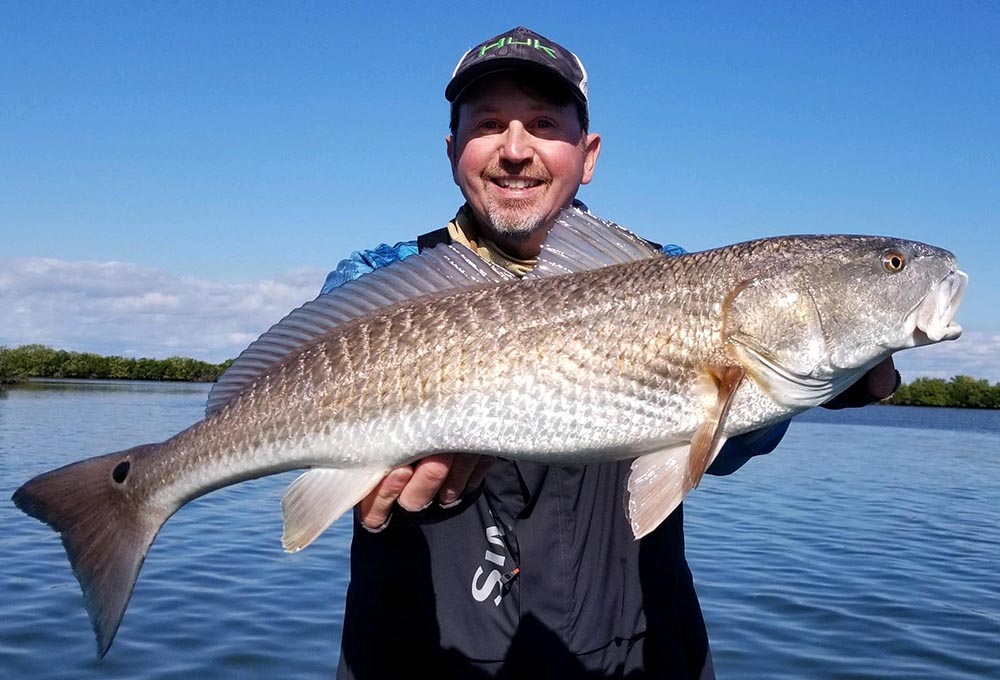
Among the featured techniques, trout fishing receives significant attention as anglers target cold-water species including rainbow trout, brown trout, and brook trout. These fish present unique challenges due to their sensitivity to environmental conditions, particularly water temperature and clarity.
The guide identifies optimal trout habitats as cold rivers and streams, mountain lakes, and spring-fed ponds. Successful trout fishing requires understanding these environments and adapting techniques accordingly.
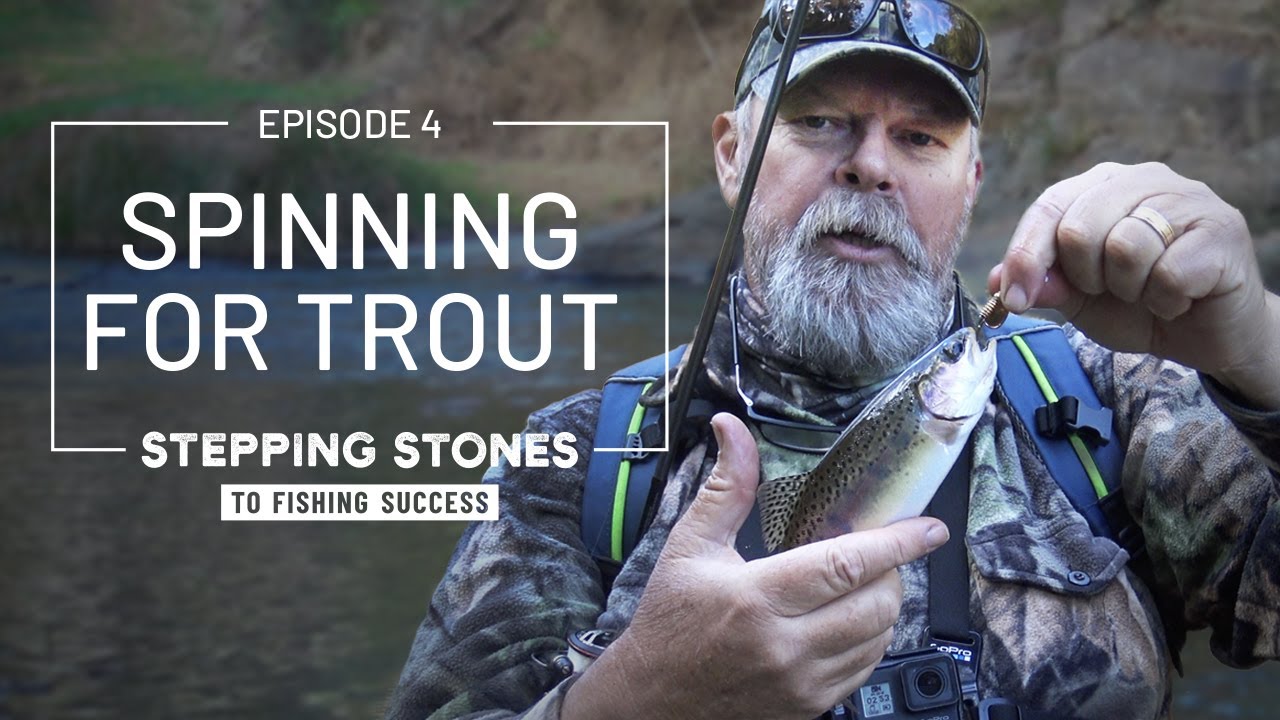
For trout fishing, the guide recommends three primary approaches: fly fishing for precision and finesse, spinning with small lures for versatility, and drift fishing using natural bait for effectiveness in various conditions. Timing proves crucial, with spring and fall identified as the most productive seasons when trout are most active and feeding aggressively.
Novice anglers often struggle with trout fishing, particularly when fly fishing, leading to common questions about peak fishing months and overlooked tactics that could improve success rates.
**Bass Fishing Dominates Sport Fishing**
Bass typically inhabit lakes and ponds, slow-moving rivers, and reservoirs, requiring anglers to adapt their approach based on these varied environments. The species' aggressive feeding behavior makes them responsive to a wide range of artificial lures.
Recommended bass fishing lures include soft plastic worms for versatility, crankbaits for covering water efficiently, spinnerbaits for murky conditions, and topwater lures for exciting surface strikes. The guide suggests spring through fall as the ideal season for bass fishing, when fish are most active and accessible to anglers.
**Catfishing Offers Unique Challenges**
Catfishing represents a distinctly different approach, focusing on bottom-dwelling fish that rely heavily on their acute sense of smell rather than sight. These fish are renowned for their strength and substantial size, providing not only exciting fights but also excellent table fare.
The guide recommends specific baits that appeal to catfish's well-developed olfactory senses, including cut bait, chicken liver, and prepared stink baits. Unlike many other fishing techniques that peak during daylight hours, catfishing proves most effective during evening and nighttime hours when these nocturnal feeders become more active.
**Knowledge and Preparation Key to Success**
The comprehensive approach extends beyond basic techniques to address broader aspects of the fishing experience, including considerations for saltwater fishing and comparisons between freshwater and saltwater fish for culinary purposes.
The guide emphasizes that understanding various aspects of fishing not only fosters a deeper appreciation of the sport but can significantly improve success rates on the water. Whether casting in a serene lake, navigating a rushing river, or facing the unique challenges of ice fishing, preparation and knowledge remain fundamental to angling success.
Looking Ahead
Looking Ahead
Looking Ahead
This educational resource serves as a foundation for anglers looking to expand their skills across different fishing styles, providing strategic techniques and decision-making frameworks that can be applied in various fishing scenarios. The guide's emphasis on sustainability and enjoyment reflects the modern fishing community's commitment to preserving aquatic resources for future generations while maximizing the recreational value of this time-honored pursuit.