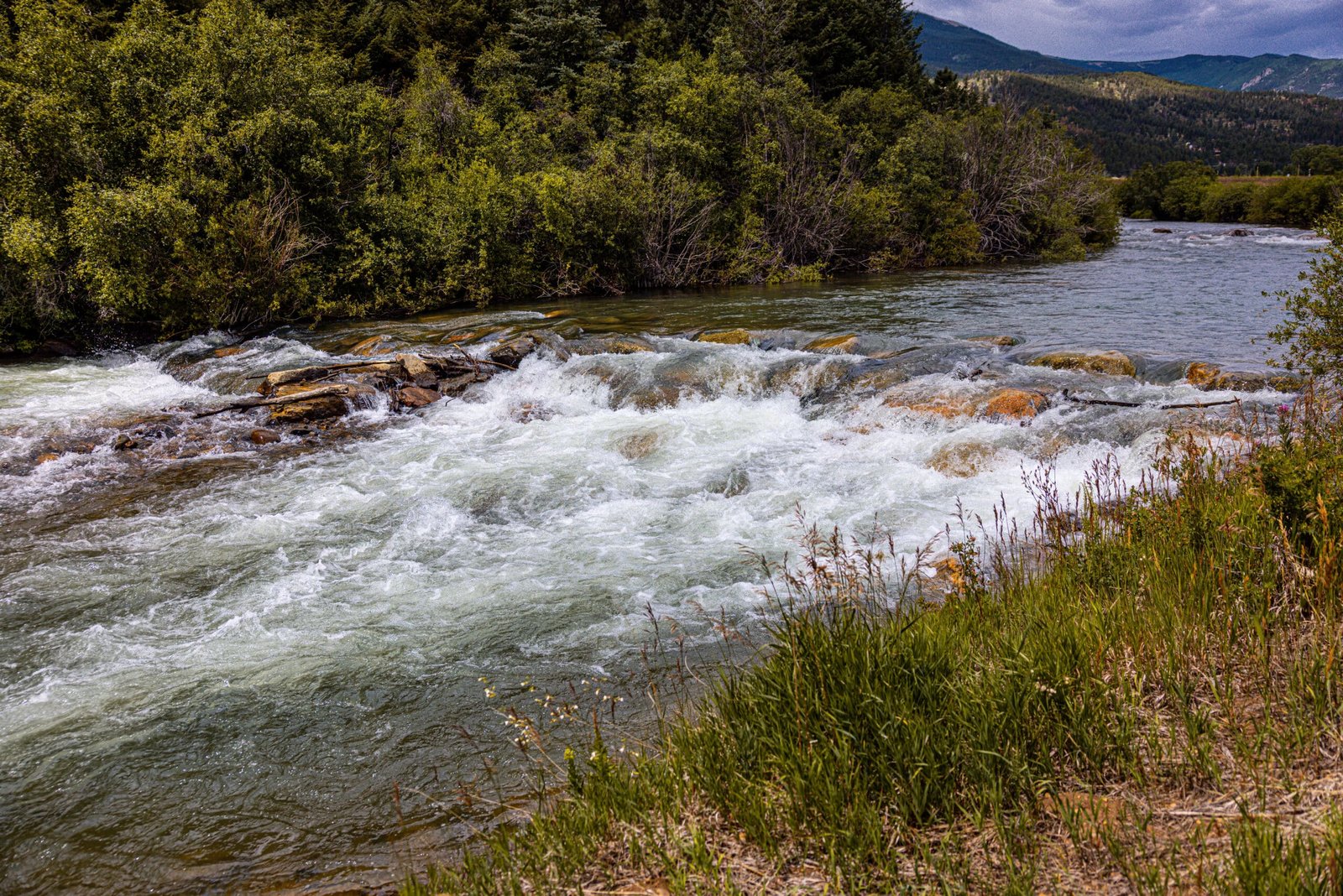
Stepping into a mountain river with a fly rod transforms your perspective. The cold water rushes against your legs, and the sounds of nature envelop you, providing a deep connection to the environment. Trout are lurking beneath the surface, darting between shadows and rocks, feasting on insects that are almost invisible to the untrained eye. It is an exhilarating introduction to the art of fly fishing, where skill and patience are paramount.
"If you’re just starting out, the learning curve can feel steep, but that’s half the adventure," said a seasoned angler, recounting their own initiation into the world of fly fishing. To help newcomers navigate this journey, here are seven critical lessons that can aid in catching more trout and igniting a lifelong passion for the sport.
"If you’re just starting out, the learning curve can feel steep, but that’s half the adventure,"


**1. Simplify Your Gear** A common misconception among beginners is that a plethora of equipment is necessary for success. In reality, all you need is a solid 5-weight rod, a floating line, and a selection of versatile flies. "The trout won’t grade you on your brand names," one guide noted. Instead, focus on understanding the environment and ensuring your fly drifts naturally in the water.
"The trout won’t grade you on your brand names,"
**2. Observe Before You Cast** Understanding the river's ecosystem requires time and patience. Observations can reveal where trout are likely hiding. "Look for riffles that funnel into deep runs or foam lines drifting food downstream," suggested an experienced fly fisher. These insights will help pinpoint where to cast rather than relying solely on intuition.
"Look for riffles that funnel into deep runs or foam lines drifting food downstream,"
Race Results
Race Results
Race Results
**3. Focus on Short Casts** Don’t be lured into casting far out right away. Many trout are stationed close to the banks, often behind rocks and logs. A local expert remarked, "You’ll be surprised how many fish live right under your nose." Concentrating your efforts within a few rod lengths can yield satisfying results.
**4. Perfect Your Drift** The most crucial aspect of successfully catching trout is achieving a natural drift. "A good drift means your fly mimics natural food, making it more enticing for trout," explained a professional guide. Learning to mend your line and manage slack is vital; without these skills, your chances of a catch diminish significantly.
"A good drift means your fly mimics natural food, making it more enticing for trout,"
**5. Rely on Proven Patterns** Not every pattern is worth your time. When uncertainty strikes, revert to classic fly patterns that have proven effective over generations. "Pheasant tails, hare’s ears, and woolly buggers have been fooling trout for years," noted one fishing veteran. Familiarize yourself with a few tried-and-true options to build your confidence on the water.
"Pheasant tails, hare’s ears, and woolly buggers have been fooling trout for years,"
**6. Camouflage Yourself** Trout are keen observers and can easily detect movement. To increase your chances of being unnoticed, blend into your surroundings. "Move low and wear earth tones," advised a local fly fishing enthusiast. Minimizing your visibility can help keep the trout close and feeding without fright.
"Move low and wear earth tones,"
Looking Ahead
Looking Ahead
**7. Practice Respect for Nature** Finally, engage with the river thoughtfully. It is crucial to respect the fish and their habitat. "Leave the environment as you found it, and take only memories and photos," an advocate for sustainable fishing encouraged. This mindset fosters gratitude for the natural world and helps preserve its beauty for future anglers.
"Leave the environment as you found it, and take only memories and photos,"
The allure of fly fishing lies in its simplicity, as well as its profound connection to nature. Each new experience on the water teaches valuable lessons, while the thrill of casting and reeling in a trout continues to captivate. As one long-time angler put it, "Fly fishing isn’t about luck; it’s about learning how to move through the water like you belong there."
Career Journey
For those eager to begin this exciting journey, remember that every cast represents an opportunity for connection—both with nature and with oneself. With practice and patience, the hope is that these foundational strategies will lead to countless successful fishing trips ahead.