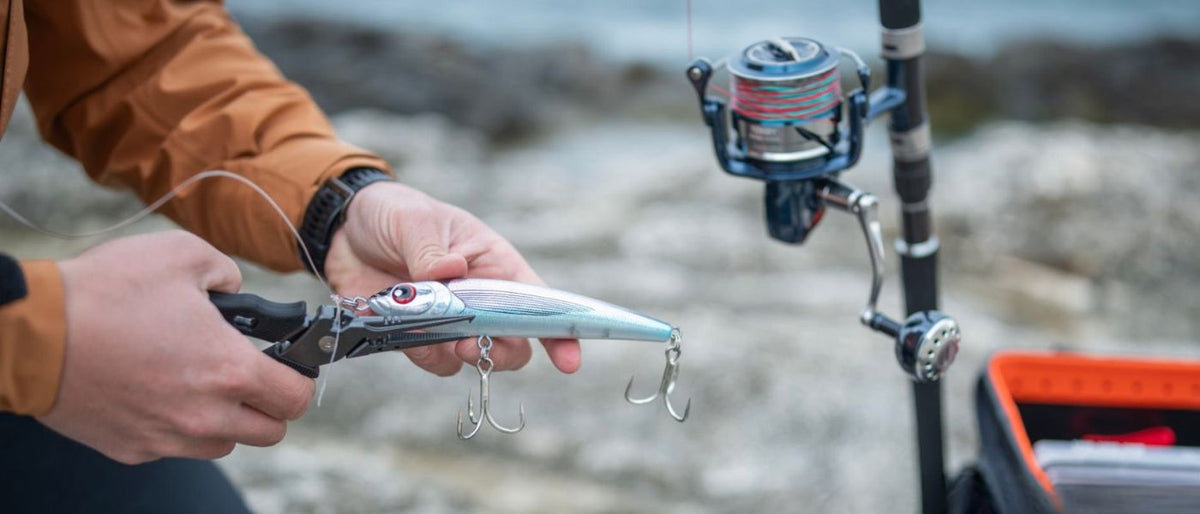
Lure fishing stands as one of the most exhilarating methods to catch fish, demanding skill and knowledge over simple luck. As fishing enthusiasts across Australia prepare for peak fishing seasons, experts emphasize that understanding fish habitat and selecting appropriate lures can dramatically increase success rates on the water.
"Lures are not just tools; they're invitations for fish to bite," explained an experienced angler, highlighting the strategic nature of this fishing approach. The technique has gained popularity among both novice and veteran fishermen who seek a more engaging and rewarding fishing experience.
"Lures are not just tools; they're invitations for fish to bite,"

Australia's diverse aquatic ecosystem presents anglers with access to an impressive variety of freshwater and saltwater fish species. This biological diversity has created demand for an extensive range of specialized lures, each designed to entice different types of fish under varying conditions.

"There's a correct lure for every scenario, depending on the fish species, water depth, and even the season," explained a local fishing expert. This principle has become fundamental to successful fishing strategies, with the difference between proper lure selection and random choice often determining whether anglers return home with impressive catches or empty-handed.
"There's a correct lure for every scenario, depending on the fish species, water depth, and even the season,"
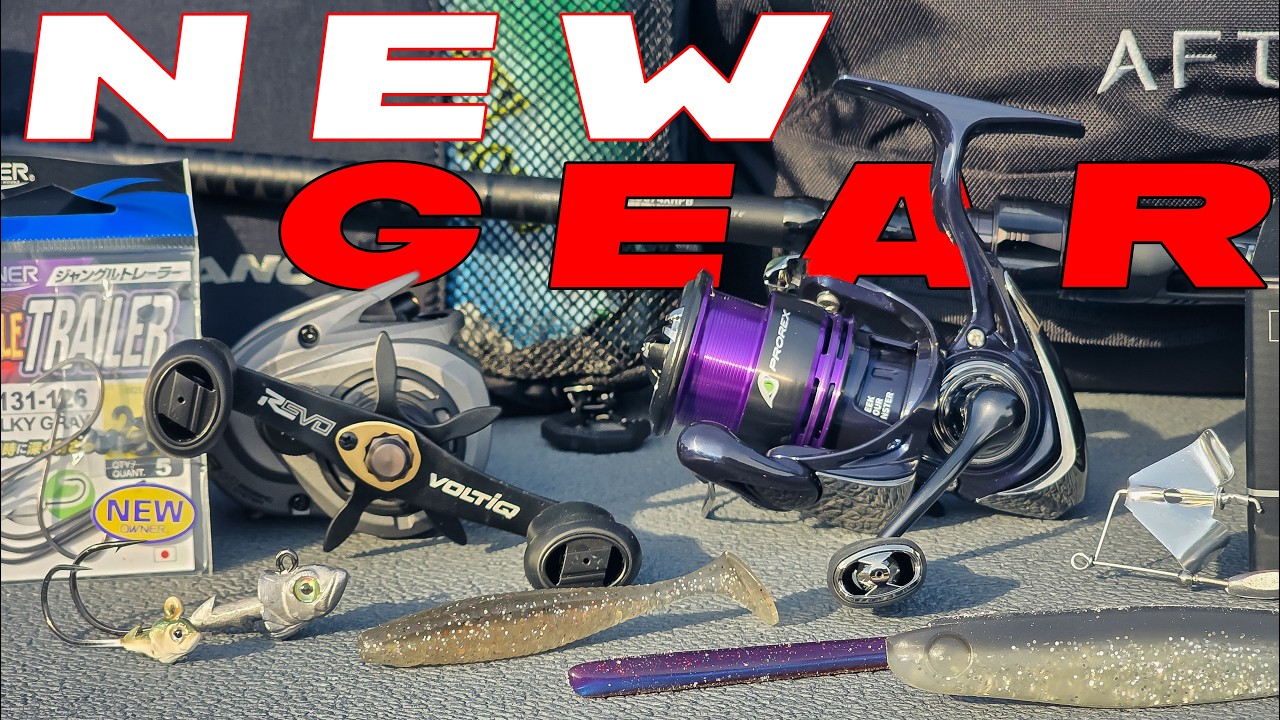
**Depth-Based Lure Selection**
Water depth represents the most critical factor in lure selection, according to fishing professionals. "Understanding the different types of lures, such as surface, sub-surface, and deep-diving, is essential for targeting fish effectively," said a professional angler. Each depth category requires specific approaches and equipment to maximize effectiveness.
"Understanding the different types of lures, such as surface, sub-surface, and deep-diving, is essential for targeting fish effectively,"
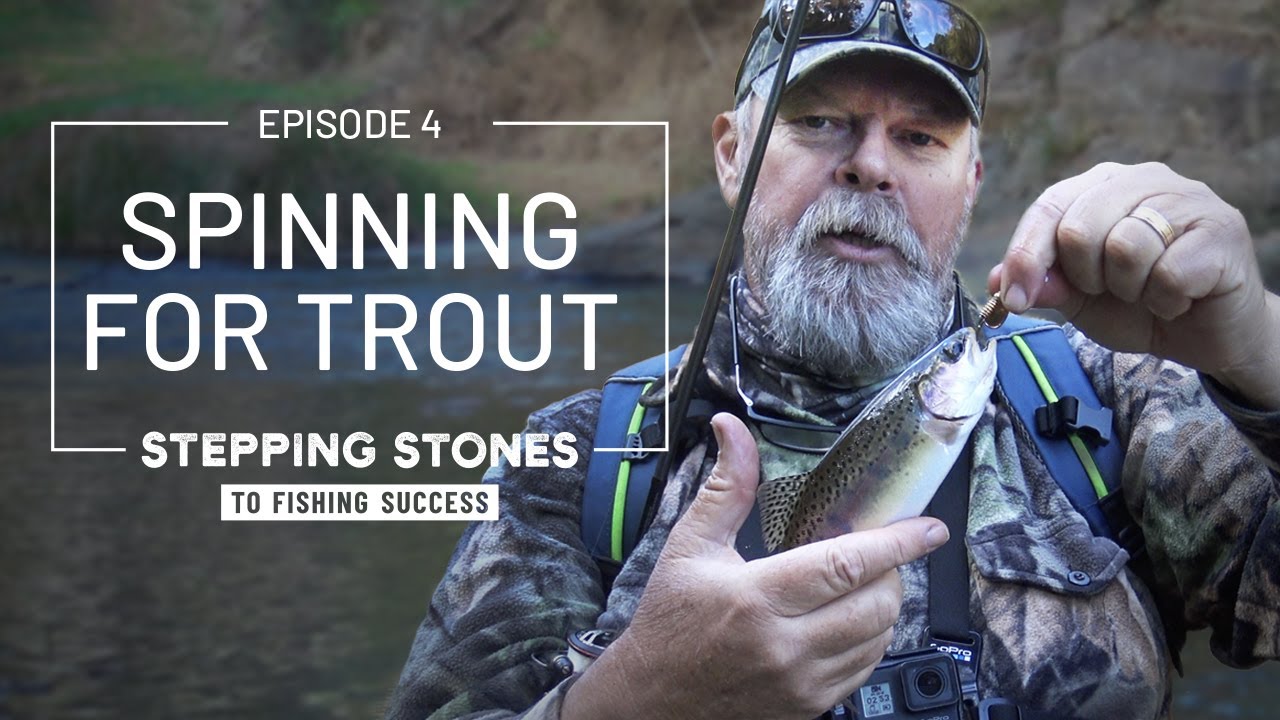
Surface lures, commonly called topwater poppers, excel at attracting predatory species like Bass and Bream during their active hunting periods. Timing proves crucial with these lures, as fishing guides note that "mornings and late afternoons are the best times to use surface lures, as fish are more likely to hit the surface."
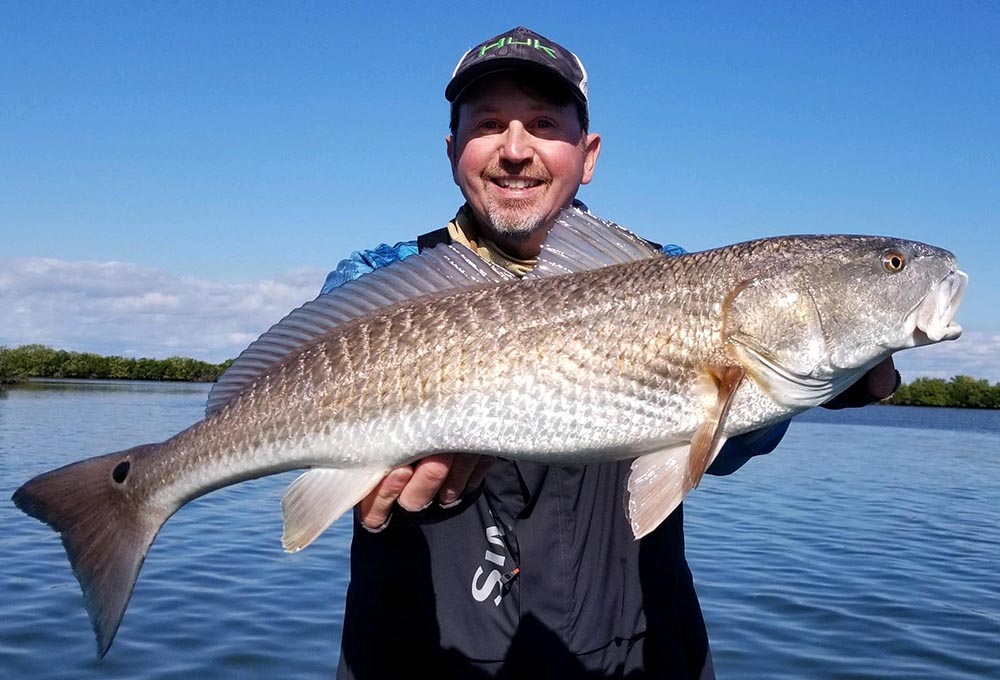
Sub-surface lures offer versatility by mimicking injured or fleeing baitfish just below the water's surface. These lures come in two primary designs: sinking models for deeper applications and floating versions that create smooth-gliding actions. A seasoned tackle-shop owner noted that "the 'Walking the Dog' technique with floating lures can be incredibly effective in drawing bigger fish to the surface."
For bottom-dwelling species, deep-diving lures, known as crankbaits, provide the solution. These specialized lures can reach depths of 5 meters or more, making them ideal for targeting species like Mackerel and Kingfish. Their effectiveness increases during winter months when fish typically congregate in deeper waters seeking warmer temperatures.
Race Results
"Using a deep-diving lure in the right spot can yield impressive results, especially when trolling," stated a veteran fisherman, emphasizing the importance of combining proper equipment with appropriate techniques.
"Using a deep-diving lure in the right spot can yield impressive results, especially when trolling,"
**Popular Lure Categories**
Among the most trusted lure types, spinnerbaits have maintained their reputation for reliability and effectiveness. "Spinnerbaits have stood the test of time due to their versatility and effectiveness in attracting predatory fish," shared a fishing enthusiast. These lures feature metal blades that spin and create vibrations, making them particularly effective in murky waters where fish rely more heavily on their lateral line systems than vision.
"Spinnerbaits have stood the test of time due to their versatility and effectiveness in attracting predatory fish,"
Soft plastic lures represent another popular category, offering realistic movements that closely mimic natural baitfish behavior. "The flexibility of soft plastics means they can be rigged in numerous ways to mimic different baitfish, making them effective for various species," explained a lure manufacturer. This adaptability allows anglers to customize their presentations based on specific target species and local conditions.
"The flexibility of soft plastics means they can be rigged in numerous ways to mimic different baitfish, making them effective for various species,"
**Technique and Strategy**
Successful lure fishing extends beyond equipment selection to encompass proper technique and strategy. Experienced anglers understand that patience and persistence often determine success rates, as fish behavior can vary significantly based on weather, season, and environmental factors.
"You need to understand the fish's behavior and adapt your approach accordingly; sometimes slow and steady wins the race," advised a fishing tournament champion, emphasizing the mental aspect of successful angling.
"You need to understand the fish's behavior and adapt your approach accordingly; sometimes slow and steady wins the race,"
Casting accuracy emerges as another crucial skill, ensuring lures reach fish-holding areas where strikes are most likely to occur. Precision casting can mean the difference between presenting lures in productive zones versus unproductive open water.
As Australian fishing seasons progress, anglers who master lure selection and technique position themselves for more successful and enjoyable fishing experiences. The combination of proper equipment knowledge, environmental awareness, and refined technique creates the foundation for consistently productive fishing outings across Australia's diverse waterways.