For many anglers, the tackle box represents both promise and confusion. Shelves lined with colorful lures in countless shapes and sizes can overwhelm even seasoned fishers, leaving them wondering which options will actually deliver results when casting from shore.
The challenge of lure selection has become increasingly complex as manufacturers continue to flood the market with new designs and variations. However, fishing experts emphasize that understanding the fundamentals of different lure types can transform a frustrating day on the water into a memorable catch.
"Choosing the right lure can mean the difference between a successful day of fishing and going home empty-handed," said expert angler Kurt Roberts, highlighting the critical importance of proper lure selection for shore fishing success.

"Choosing the right lure can mean the difference between a successful day of fishing and going home empty-handed,"

Among the most versatile options available, jigs have earned their reputation as the Swiss Army knife of fishing lures. These weighted baits excel at imitating baitfish and prove particularly effective when targeting fish near the bottom or in vegetation-heavy areas. Expert angler Sarah Johns emphasized their utility in challenging terrain, noting, "Jigs can really shine when you're navigating through rocky terrain or dense cover."
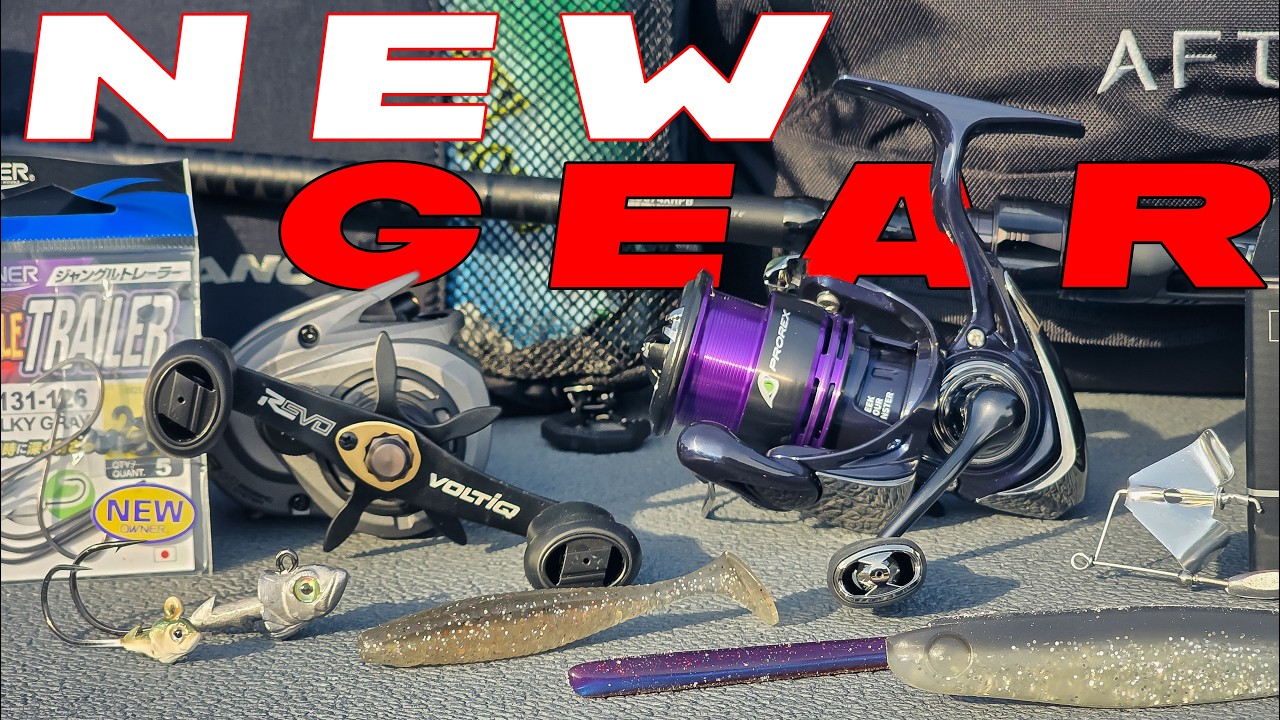
The key to jig fishing success lies in matching the weight to conditions and employing a slow, deliberate retrieve that mimics natural prey movement. Roberts explained the distinction between specialized jig types: "Football jigs and finesse jigs both have their unique roles depending on your fishing environment." Football jigs feature a flat design that helps them navigate rocky bottoms without snagging, while finesse jigs offer a subtle presentation ideal for clear water conditions where fish might be more cautious.
When targeting fish in deeper waters, crankbaits become invaluable tools. These hard-bodied lures dive beneath the surface and create swimming motions that trigger predatory instincts in gamefish. Seasoned angler Martha Lane described their effectiveness, saying, "Crankbaits can be your secret weapon when looking to lure fish in deeper areas." Their ability to cover water quickly while maintaining an attractive action makes them essential for exploring new fishing spots efficiently.
For conditions where visibility is limited, spinnerbaits offer a unique advantage through their vibration-generating design. The spinning blades create underwater disturbances that fish can detect even in murky water, making them particularly effective for species like bass and pike. Roberts advised anglers to experiment with retrieval techniques, explaining, "Experimenting with different retrieves can really enhance your chances of getting a hook-up, especially in cloudy water conditions."
Career Journey
Career Journey
Career Journey
Perhaps no fishing technique generates more excitement than topwater action, and topwater lures deliver exactly that experience. These surface baits create commotion that draws explosive strikes from predatory fish, providing some of the most thrilling moments in angling. Roberts highlighted their effectiveness during specific times, noting, "Using a topwater lure can be one of the most exciting methods, especially for species like bass and trout during early morning or late evening hours."
Race Results
Race Results
Often overlooked in modern tackle discussions, spoons represent a classic lure design that continues to produce results. Their simple yet effective construction mimics the flash and flutter of injured baitfish, making them particularly deadly for trout, salmon, and bass. Lane recommended keeping these traditional lures readily available, suggesting, "Using spoons can be quite successful during specific seasons and conditions, and I recommend keeping a few in your tackle box."
The path to lure mastery involves more than simply understanding different types—it requires embracing experimentation and adaptability. Lane cautioned against relying too heavily on past success, warning, "Every location has its unique characteristics, and what works one day may not work the next." This reality emphasizes the importance of carrying diverse lure options and remaining willing to switch tactics based on current conditions.
Impact and Legacy
Environmental factors play crucial roles in lure selection decisions. Water clarity, depth, structure, target species, and weather conditions all influence which lures will prove most effective. Successful shore anglers develop the ability to read these conditions quickly and adjust their approach accordingly.
The learning process requires patience and persistence, as different fishing environments present unique challenges. What produces strikes in one lake may fail completely in another, even when targeting the same species. This variability keeps the sport challenging while rewarding anglers who take time to understand local conditions and fish behavior patterns.
Roberts summarized the mindset required for consistent success: "Fishing is about being adaptable and responsive to conditions; your lures should reflect that mindset." This philosophy emphasizes the importance of viewing lure selection not as a rigid formula but as an ongoing decision-making process that evolves throughout each fishing trip.
Ultimately, mastering shore fishing lure selection combines theoretical knowledge with practical experience gained through time on the water, creating the foundation for more successful and enjoyable fishing adventures.