[Fishing lures](/gear/fishing-lure) come in various types, each designed for specific environments and fish species. Understanding the distinctions between surface, sub-surface, and deep lures can enhance your fishing experience remarkably. "There are three categories of lures based on the depths they're used for: surface, sub-surface, and deep," explained Ethan Johnston, a seasoned fishing enthusiast.
"There are three categories of lures based on the depths they're used for: surface, sub-surface, and deep,"
Seasonal changes can significantly impact fish behavior, which in turn affects the choice of lures. "During Spring, gamefish are closer to the surface, so surface lures should be used," Johnston advised. In contrast, the summer heat calls for deeper lure selections, while the fall season favors sub-surface options.

"During Spring, gamefish are closer to the surface, so surface lures should be used,"
When it comes to lure sizes, they play a crucial role in attracting specific fish species. Johnston noted, "Typically, the bigger the fish, the bigger the lure should be." He recommends a range of sizes based on fish type: one to three inches for Crappies and Bluegills, two to five inches for Smallmouth Bass, and up to twelve inches for Muskies and Northern Pikes.

Moreover, the conditions of your fishing environment can dictate the best lure selection. If you’re venturing into waters with dense weeds, it’s best to choose lures equipped with weed guards to minimize snagging. Various theories exist regarding lure colors, but Johnston suggests, "A good rule of thumb is that light colored lures work best in clear water, while darker and fluorescent lures work better in murky waters."
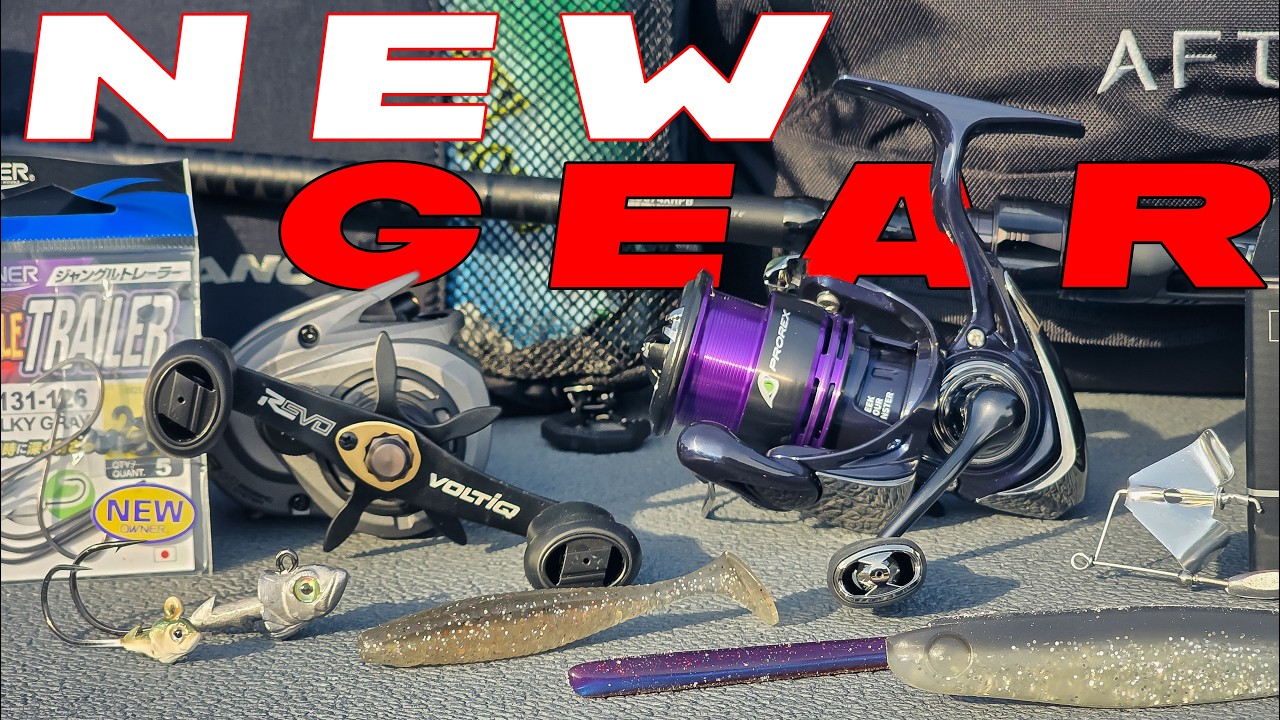
Taking into account local fauna can also enhance lure effectiveness. Matching your lure with local bait species increases the chances of attracting fish. "Understanding the local ecosystem can help you select lures that mimic the natural prey of the fish you are targeting," Johnston stated.
"Understanding the local ecosystem can help you select lures that mimic the natural prey of the fish you are targeting,"
Diving deeper into lure types, it’s essential to recognize their unique functionalities. Some common categories include topwater floating plugs, which are exciting as they demand constant attention from the angler. Johnston explained, "These surface lures create a lot of movement across the water's surface, forcing the fisherman to stay alert."
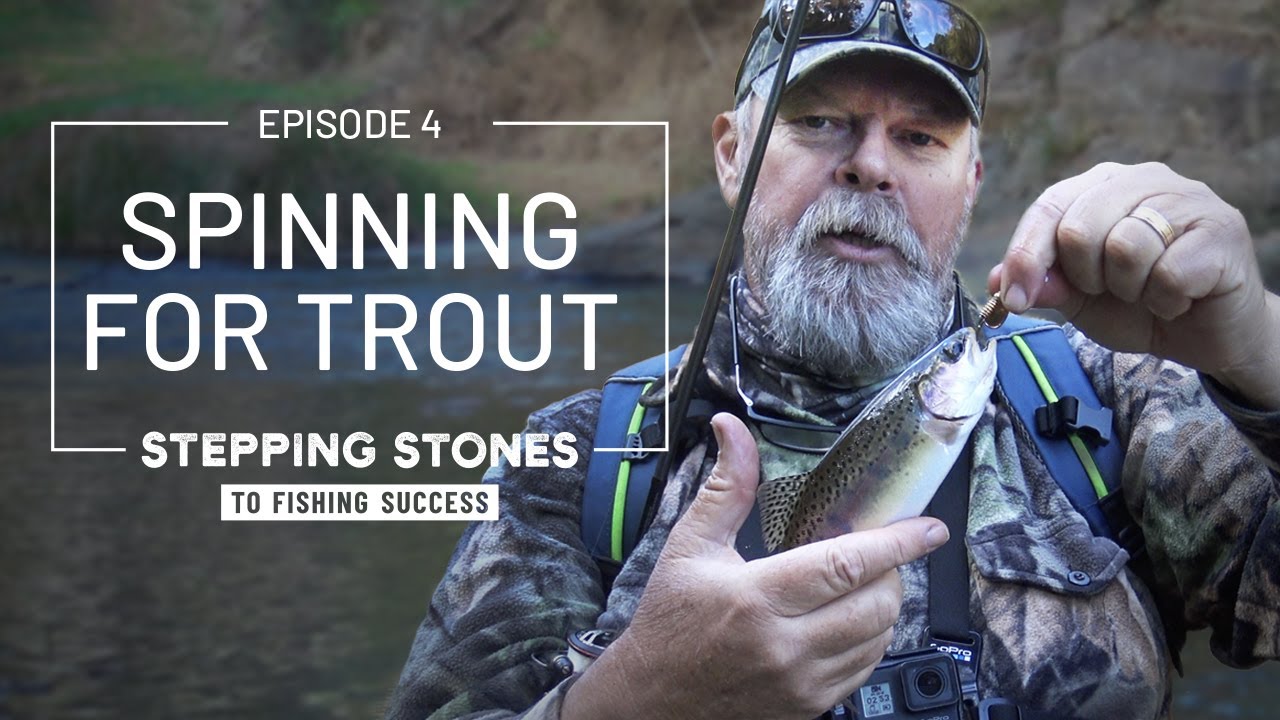
Crankbaits come equipped with a weighted lip that allows them to dive, making them effective for both sub-surface and deep fishing. "Vibrating lures contain a microprocessor that mimics random movements of live bait," Johnston added, showcasing the innovation in lure design.
"Vibrating lures contain a microprocessor that mimics random movements of live bait,"
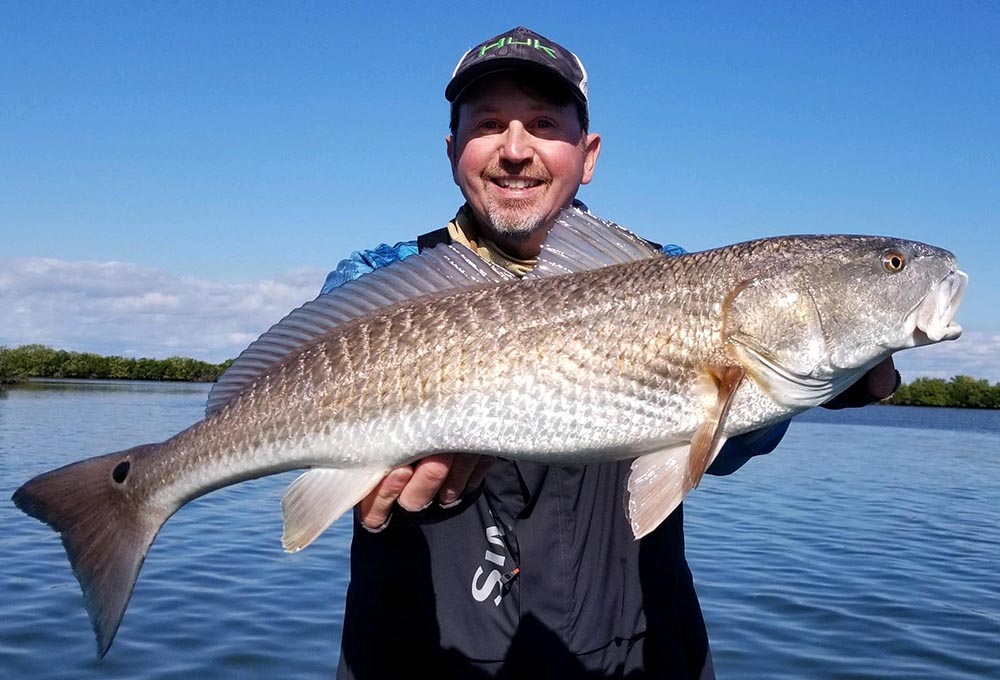
Soft plastic lures excel in resembling live bait and can be adaptable for various weights. In the classic category, jigs, consisting of a head, skirt, and hook, are predominately used as deep lures due to their weighted heads. On the other hand, wirebait lures include spinners and buzzers, renowned for their spinning blades and propellers that enhance their attraction.
Once you select a lure, the next step involves attachment to your fishing line. "Tie the lure directly to the line, especially when using jigs," Johnston recommended. There are various knot techniques to ensure a strong connection.
"Tie the lure directly to the line, especially when using jigs,"
He highlighted three effective knots; the San Diego jam, the six-turn Yucatan knot, and the Rapala knot. For instance, the San Diego jam involves pulling the line through the lure, wrapping it around several times, and finally pulling it tight to secure the connection.
In conclusion, mastering the use of fishing lures requires a blend of seasonal awareness, understanding of aquatic ecosystems, and skilled techniques. Whether you’re a novice or a seasoned angler, the right approach can lead to a fruitful fishing experience. Make these insights a part of your fishing toolkit, and you may find your next big catch just a cast away.