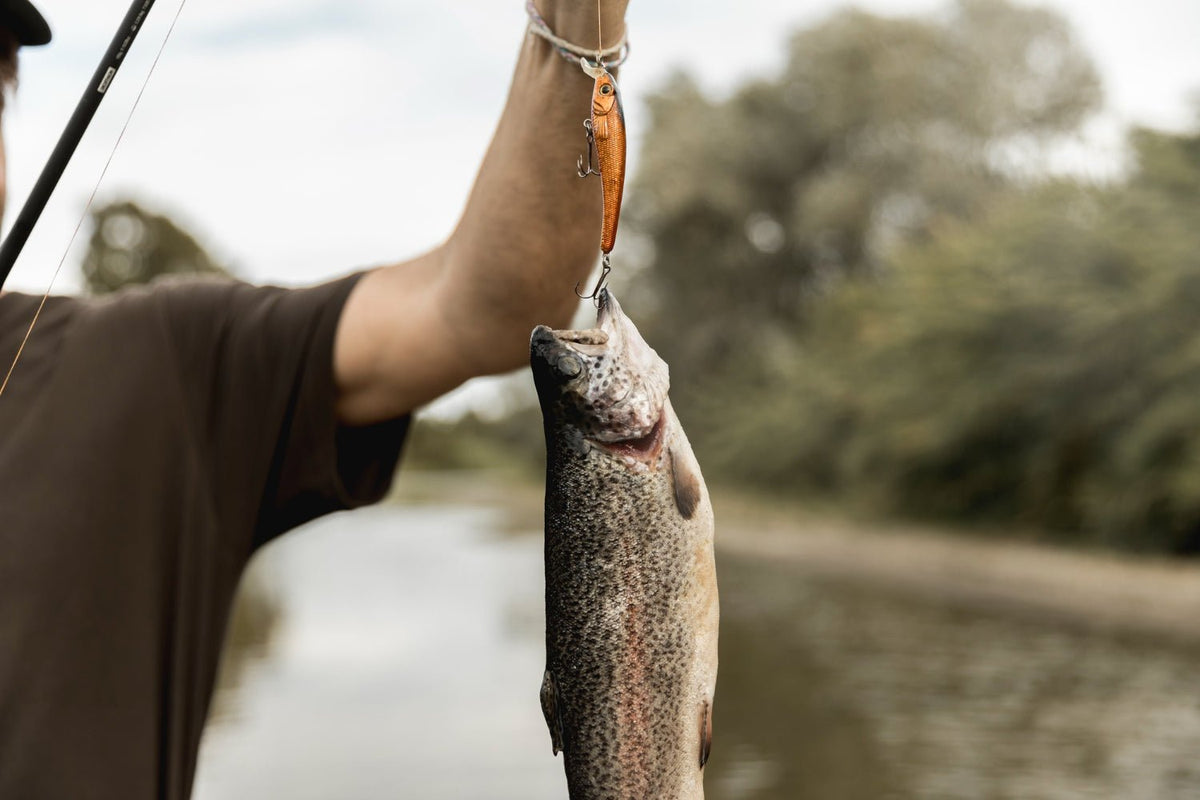
For anglers at every skill level, the difference between landing the catch of a lifetime and watching it swim away often comes down to something as simple as a properly tied knot. While many fishermen focus extensively on choosing the right bait, location, and timing, the critical connection between line and lure frequently receives less attention than it deserves.
"A secure knot is as vital as the bait you're using," emphasized seasoned angler Richard Greene, highlighting a fundamental truth that experienced fishermen have learned through countless hours on the water.
"A secure knot is as vital as the bait you're using,"

The art of knot-tying represents one of fishing's most essential skills, yet it's also one of the most overlooked aspects of angling education. Understanding how to properly attach lures not only increases the likelihood of successfully landing fish but also helps preserve expensive gear that might otherwise be lost to poorly secured connections.

**The Foundation: Three Essential Knots Every Angler Should Master**
Among the numerous knots available to anglers, three stand out as particularly valuable for lure attachment, each serving specific purposes and line types. The Improved Clinch Knot has earned widespread recognition as perhaps the most popular choice among fishermen, praised for combining reliability with simplicity.
"It's easy to tie and works wonders with monofilament and fluorocarbon lines," explained fishing expert Linda Rogers. This versatile knot proves effective not only for lures but also for securing hooks and swivels, making it an indispensable tool in any angler's repertoire.
"It's easy to tie and works wonders with monofilament and fluorocarbon lines,"
The Palomar Knot represents another cornerstone technique, beloved by both newcomers and veteran fishermen for its exceptional strength and straightforward tying process. Its versatility across different line types – including braided, monofilament, and fluorocarbon – makes it particularly valuable.
"If you want a knot that won't slip, especially with braided lines, the Palomar is your best bet," highlighted John Thompson, a veteran fishing coach who has taught countless anglers the importance of proper knot selection.
"If you want a knot that won't slip, especially with braided lines, the Palomar is your best bet,"
For situations requiring enhanced lure action, the Non-Slip Loop Knot offers unique advantages by allowing greater lure movement in the water. This increased mobility can create more natural, enticing presentations that prove irresistible to fish.
Impact and Legacy
"This knot is ideal for topwater lures and [soft plastics](/gear/soft-plastic), creating a natural flow that can't be ignored by fish," noted angler Sara Lee, emphasizing how the right knot choice can directly impact fishing success.
"This knot is ideal for topwater lures and soft plastics, creating a natural flow that can't be ignored by fish,"
**Step-by-Step Mastery: Tying Techniques That Work**
Mastering the Improved Clinch Knot begins with threading the line through the lure's eye, leaving approximately six inches of tag end to work with. The process involves wrapping this tag end around the mainline five to seven times before passing it through the small loop formed above the eye. Critical steps include moistening the knot to reduce friction and carefully pulling the mainline to tighten, ensuring coils arrange neatly. The final step requires passing the tag through the larger loop formed during the process before trimming excess material.
The Palomar Knot follows a different approach, starting with doubling the line and passing it through the hook's eye. Creating an overhand knot with the doubled line while ensuring the hook hangs properly sets up the foundation. The technique continues by bringing the loop over the entire lure, moistening the connection, and pulling to tighten before trimming the tag end to approximately one-eighth inch.
For the Non-Slip Loop Knot, preparation involves creating a six-inch tag end and forming an initial loop. Threading the tag end back through an overhand knot establishes the base structure. The process requires wrapping the tag around the mainline three to four times before returning through the loop, followed by moistening and tightening to complete the connection.
**Professional Tips for Knot-Tying Excellence**
Developing proficiency in knot-tying requires dedicated practice and attention to detail. "Practice is essential; spend some time with different lines and knots to enhance your confidence," urged fishing expert Michael Young, emphasizing that consistent practice builds the muscle memory necessary for tying secure knots even in challenging conditions.
"Practice is essential; spend some time with different lines and knots to enhance your confidence,"
Impact and Legacy
Selecting the appropriate knot for specific fishing scenarios significantly impacts success rates. "Using the right knot based on your line type can significantly affect your success," suggested biologist Dr. Emily Grant. Understanding that braided lines work optimally with Palomar Knots while topwater presentations benefit from Non-Slip Loop Knots demonstrates the importance of matching technique to situation.
"Using the right knot based on your line type can significantly affect your success,"
Maintaining proper tension and neat coil arrangement proves crucial for knot security. "Coils that are even and not overlapping solidify your knot's security," insisted experienced fisherman Roger Blake. Additionally, consistently moistening knots before tightening reduces friction and ensures clean coil placement.
"Coils that are even and not overlapping solidify your knot's security,"
"Give it a good tug to ensure everything is secure, which could save you valuable gear while fishing,"
Mastering lure-tying techniques represents far more than learning basic knots – it's about developing fundamental skills that enhance the entire fishing experience and increase the likelihood of angling success.