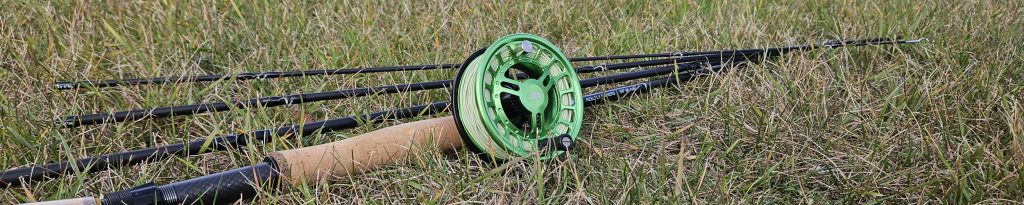
Embarking on the journey of fly fishing can be both exciting and daunting for beginners. This guide is designed to equip novice anglers with the fundamentals necessary to successfully fish for trout. From selecting the right equipment to honing essential techniques, understanding these basics will help new fishers gain confidence on the water.
When it comes to gear selection, starting with the right equipment is crucial. "The best general purpose fly fishing setup for trout is a 5 or 6 weight fly fishing combo equipped with a medium-fast fly rod, a durable fly reel, and a weight-forward fly line," explains an expert from the fly fishing community. By investing in a CNC machined fly reel, which boasts minimal impurities and superior strength, beginners can set a solid foundation for their fishing endeavors.
"The best general purpose fly fishing setup for trout is a 5 or 6 weight fly fishing combo equipped with a medium-fast fly rod, a durable fly reel, and a weight-forward fly line,"

Equipped with the proper rod and reel, it is essential to consider the flies used for trout fishing. New anglers can often feel overwhelmed by the vast array of fly options available. However, it is advised to "start with a basic selection of dry flies, nymphs, and streamers." Key fly patterns to have include the leech fly, water boatman, Woolly Bugger, and Pheasant Tail Nymph, among others. "These flies cover a wide range of situations and can help you catch trout under various conditions," the expert added.
"These flies cover a wide range of situations and can help you catch trout under various conditions,"

While not a strict requirement, investing in waders and boots can significantly enhance the overall fly fishing experience. Waders enable anglers to safely navigate rivers and streams while providing access to those trophy trout spots. Opting for breathable waders is recommended across various climates, while boots with good traction help prevent slips on slippery rocks.
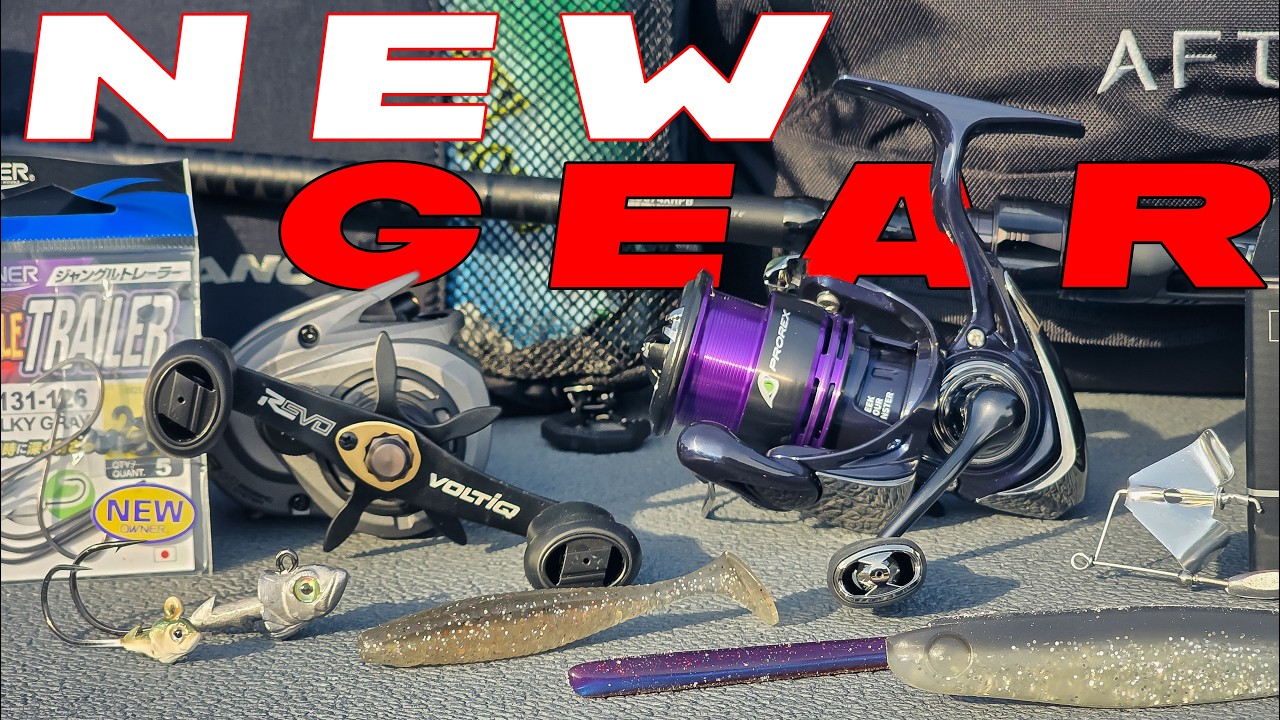
Accessories and tools play an indispensable role in ensuring a smooth fishing experience. Items like split shot or swivels help achieve added depth in the water, while floatants keep the dry flies buoyant. "A good pair of polarized sunglasses can make fish spotting a lot easier," noted the expert. These tools not only enhance success rates but also contribute to a more enjoyable day on the water.
"A good pair of polarized sunglasses can make fish spotting a lot easier,"
Understanding where to fish is as critical as knowing what gear to use. The right location can greatly increase chances of hooking trout. According to the guide, trout prefer cold, oxygen-rich water with temperatures between 50-65°F (10-18°C). Anglers should seek out streams, rivers, and lakes featuring ample cover and the right structures, such as seams between fast and slow water, deeper pools, or fallen trees.
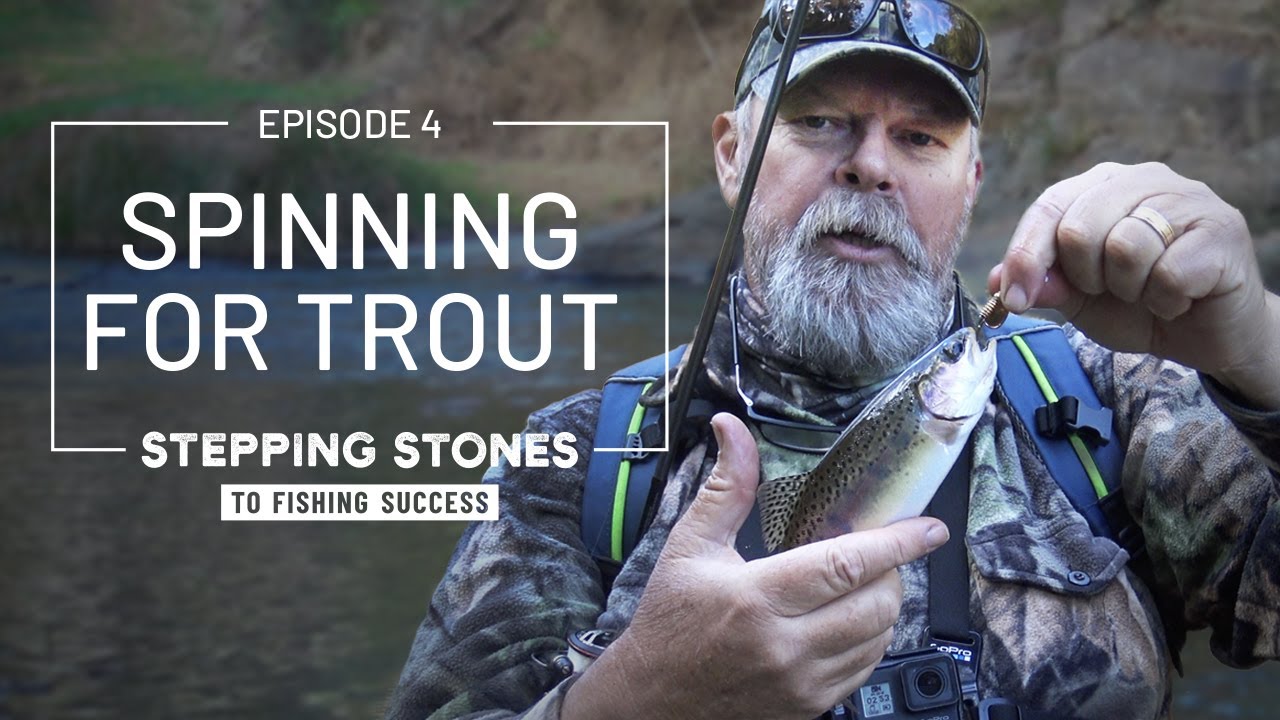
"Learning to read water is a crucial skill in identifying promising fishing spots," shared the expert. Beginners can focus on areas known for trout activity, including eddies where fish conserve energy, deeper pools housing larger trout, and riffles rich with feeding opportunities.
"Learning to read water is a crucial skill in identifying promising fishing spots,"
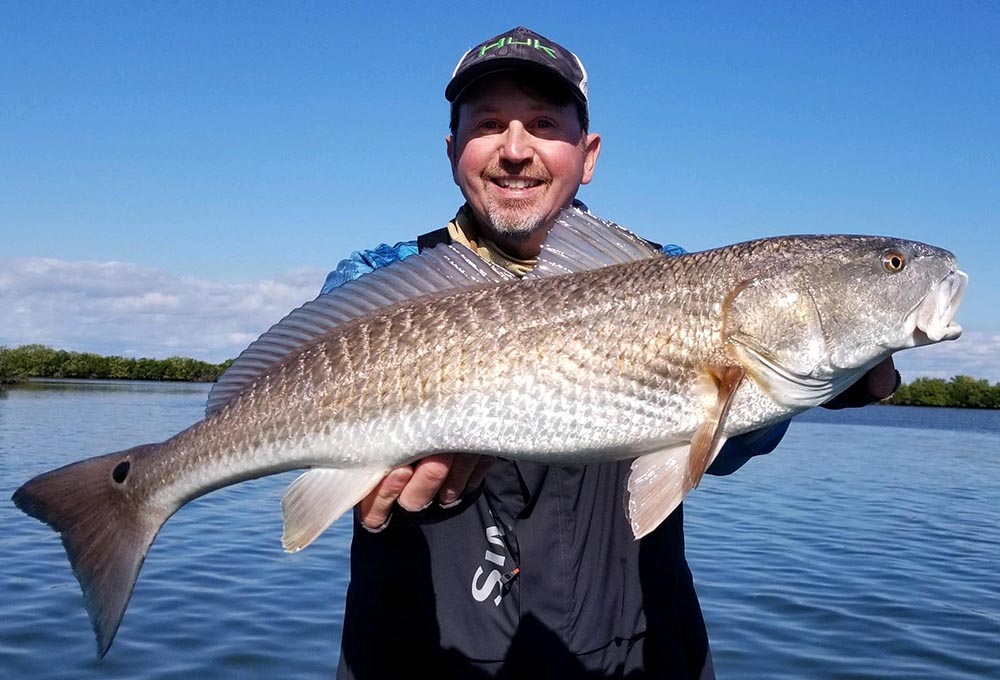
The time of year also affects trout behavior, and understanding these seasonal changes is vital for anglers. In winter months, fish tend to conserve energy in deep, slow-moving pools. Conversely, in summer, trout are often found in cooler, shaded areas. Spring and fall present unique opportunities, especially in areas where spawning trout gather. Adjusting techniques and approaches based on these seasonal patterns can greatly enhance the fishing experience.
Finally, mastering casting techniques is paramount for success in fly fishing. The basic overhead cast serves as the cornerstone of fly casting. An expert notes, "The simplest way to perform an overhead cast involves stopping the rod abruptly to create a load on the line before casting forward." Learning these foundational skills will set the stage for effective fly fishing and increase the likelihood of landing that elusive trout.
In summary, gaining proficiency in fly fishing for trout requires a combination of the right gear, understanding fish habitats, employing seasonal tactics, and mastering casting skills. By following these essential tips and patiently honing their skills, beginners will soon feel confident navigating their local waters, making memorable fishing experiences possible. With practice and dedication, the art of fly fishing for trout can transform into a lifelong passion that offers tranquility, challenge, and joy in the great outdoors.