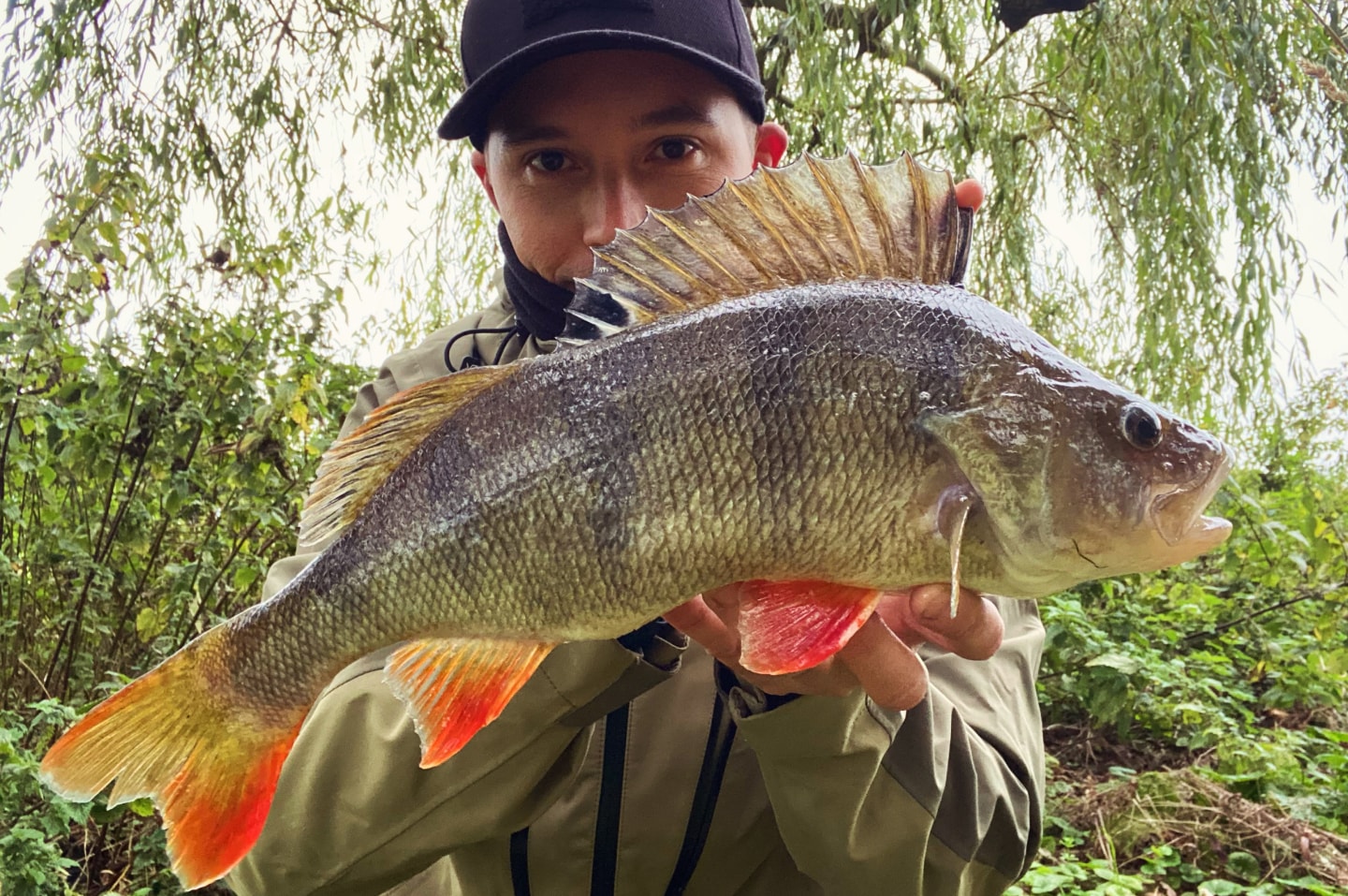
Catching a trophy-sized perch is a thrilling pursuit for anglers, especially when employing effective lure techniques. To enhance your chances of a successful catch in rivers, lakes, or commercial fisheries, consider these expert tips designed for targeting specimen perch.
"Perch are aggressive predators, and they respond well to a variety of [lures](/gear/fishing-lure)," said fishing enthusiast Gary Thompson. He emphasized the efficacy of choosing the correct lure type such as [crankbaits](/gear/crankbait), spinners, and [soft plastics](/gear/soft-plastic). Crankbaits, with their chunky design, mimic the perch's natural prey, while spinners create enticing vibrations that draw in fish from a distance. Especially in [cooler](/gear/cooler) waters, soft plastics like curly tails and paddle tails can be particularly effective for slow retrievals.
"Perch are aggressive predators, and they respond well to a variety of lures,"

Selecting the right lure size is vital. For targeting perch, a 2-3 inch lure typically performs the best. "Larger lures might spook the fish, while smaller lures may not stand out enough," noted seasoned angler Lisa Morgan. It is best to choose lures within the 6-10cm range to accurately mimic the size of small fish that perch are known to hunt.
"Larger lures might spook the fish, while smaller lures may not stand out enough,"
When fishing in murky waters, visibility becomes crucial. Steve Johnson, a local fishing guide, mentioned, "Using brightly colored lures like chartreuse, orange, and red can trigger more strikes in low visibility conditions." Conversely, in clearer waters, he recommends more natural hues such as silver or white to enhance effectiveness.
Race Results
Targeting the right fishing locations can also yield better results. Lisa Morgan suggested focusing on areas near structures such as submerged trees, weed beds, and drop-offs, which serve as ambush points for perch. "Casting your lure parallel to these structures increases your chances of hooking a big one," she advised.
"Casting your lure parallel to these structures increases your chances of hooking a big one,"
Anglers are also encouraged to vary their retrieval speeds. "Perch can be finicky, and altering your retrieval pace might make all the difference," advised Gary Thompson. Starting with a slow, steady retrieve, and then introducing twitches or pauses can often elicit a reaction strike from nearby perch.
"Perch can be finicky, and altering your retrieval pace might make all the difference,"
Career Journey
Timing your fishing expedition is another essential factor. "The best times to catch perch are during low light conditions, such as early morning or late evening," noted fishing expert Mark Robinson. During these times, perch are more active, giving anglers an increased opportunity to capitalize on their heightened feeding behavior.
"The best times to catch perch are during low light conditions, such as early morning or late evening,"

Using appropriate tackle can significantly enhance sensitivity to bites. "A light spinning rod with a casting weight of 5-15 grams is ideal for feeling those subtle bites from perch," instructed seasoned angler Jessica Lee. This setup allows for the use of lighter lures while improving the detection of even the faintest nibbles.
"A light spinning rod with a casting weight of 5-15 grams is ideal for feeling those subtle bites from perch,"
Race Results
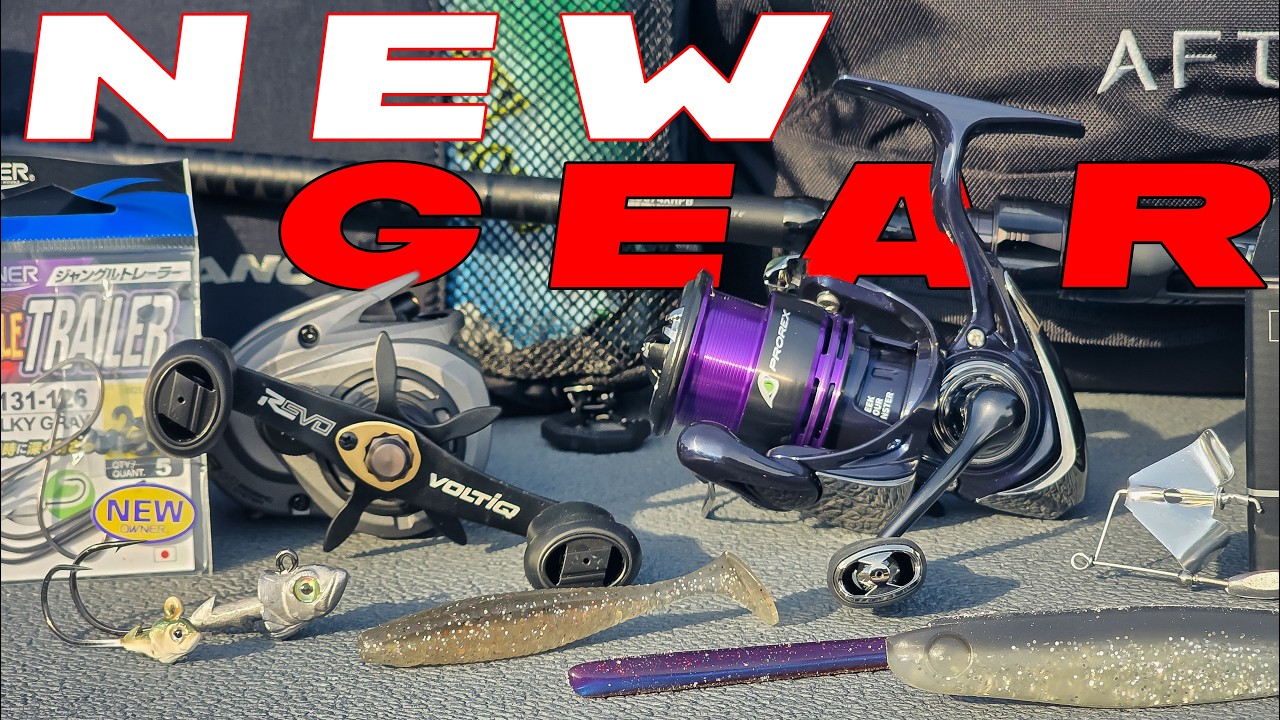
Soft plastic lures are highly regarded for their effectiveness against perch. "Rigging them on a jig head or drop shot rig can yield the best results," said Roger Phillips, a fishing tackle retailer. He added that these lures closely mimic the movement of prey fish, particularly during colder months when perch gravitate toward slower-moving targets.
"Rigging them on a jig head or drop shot rig can yield the best results,"
For those fishing near the bottom or around structures, vertical jigging can be a highly effective technique. "It’s important to use the correctly weighted jig head to avoid over-impeding the action of your lure," explained Dave Roberts, a professional angler. This method shines in deeper waters or when fishing directly from a boat.
"It’s important to use the correctly weighted jig head to avoid over-impeding the action of your lure,"
Fishing conditions are not to be overlooked, as they can influence perch behavior. "Overcast days with a slight breeze are often the best for fishing, as they cause perch to be more active," said Lisa Morgan. In contrast, bright sunny conditions may push perch into deeper waters, making them more elusive.
"Overcast days with a slight breeze are often the best for fishing, as they cause perch to be more active,"
Through attentiveness to these strategies and techniques, anglers can significantly improve their chances of landing specimen-sized perch. "Patience and persistence are key to success on the water," said Gary Thompson. As you explore different lures and methods, keep in mind that what might not work today could yield results tomorrow. The more time you spend at the water's edge, the closer you'll get to that trophy catch. Good luck and tight lines!
"Patience and persistence are key to success on the water,"