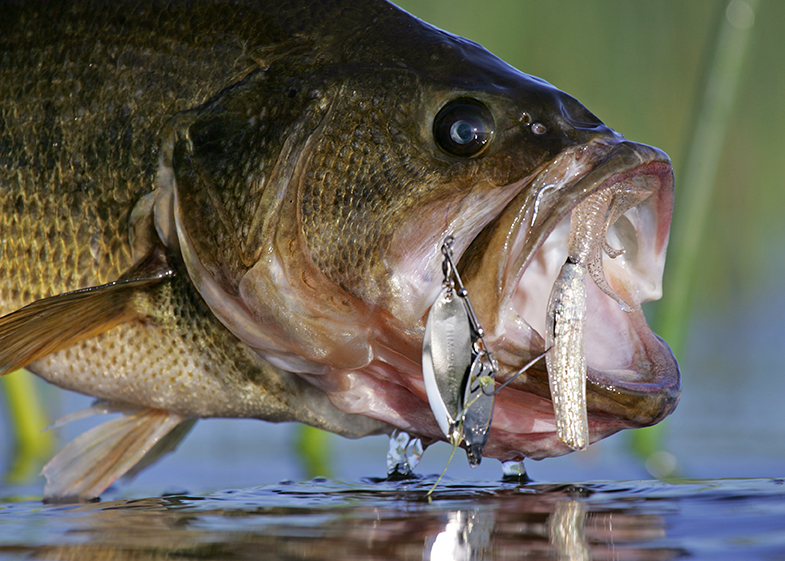
Largemouth bass are arguably the premier gamefish across North America, known for their adaptability and availability in a range of habitats. "Largemouths inhabit everything from small ponds to large rivers, showing up in virtually every state except Alaska," said an industry expert. This versatility is a major factor behind their popularity among anglers.
"Largemouths inhabit everything from small ponds to large rivers, showing up in virtually every state except Alaska,"
Part of the largemouth bass's success is attributed to its distinctive, large mouth. They are voracious predators, consuming various prey including zooplankton, fish, and even small mammals. "The key to catching them lies in presenting a lure that mimics their natural prey," explained a fishing guide. While many bass lures may not exactly resemble crayfish or small fish, they often utilize features like vibrations and flashes to attract the fish's attention.

"The key to catching them lies in presenting a lure that mimics their natural prey,"
Understanding where bass are likely to reside in a body of water is crucial to a successful catch. Generally, these fish favor warm, shallow locations teeming with cover, such as thick vegetation and fallen trees. According to a fishing strategist, "Largemouth bass often roam near the edges of dense plant life, seeking out food, especially in spring and summer when vegetation flourishes."

Interestingly, these fish adapt their depth based on water clarity. "In clear waters, they can go as deep as 20 feet, but in murky conditions, they rarely venture deeper than 8 to 10 feet," noted an expert. This adaptability to different environments makes knowing the water conditions essential for any angler.
"In clear waters, they can go as deep as 20 feet, but in murky conditions, they rarely venture deeper than 8 to 10 feet,"
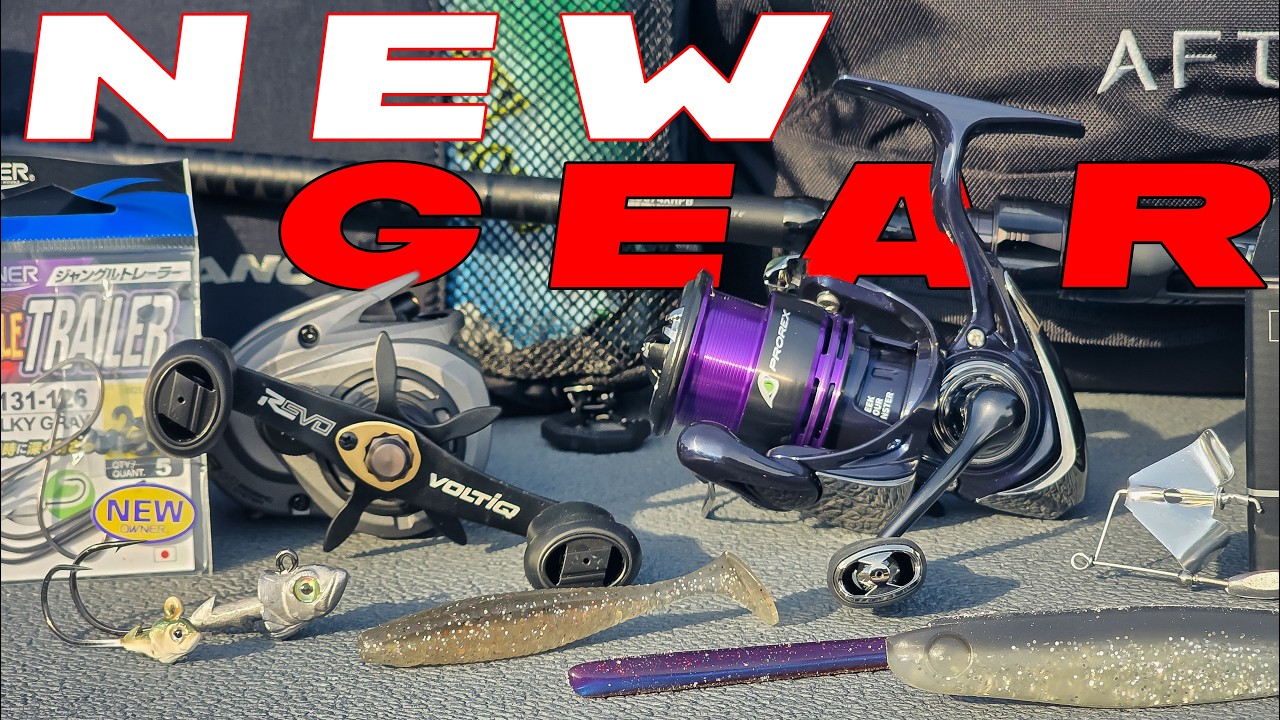
When it comes to selecting the best lures, having options that can navigate through thick cover is essential. "Lures designed for snag-free fishing have been a game changer in the industry, allowing for smooth casts in difficult terrain," remarked a seasoned lure designer. The Texas rig has been a favored method for many anglers due to its effectiveness.
"Lures designed for snag-free fishing have been a game changer in the industry, allowing for smooth casts in difficult terrain,"
The Texas rig allows anglers to present softbaits in a way that minimizes snags. "By burying the hook point within the lure, it can easily glide through weeds and branches, making it possible to fish in dense cover," explained a fishing pro. This rig can also be customized for depth, using weights depending on how deep the angler wants to cast.
"By burying the hook point within the lure, it can easily glide through weeds and branches, making it possible to fish in dense cover,"

Race Results
Softbait shapes vary widely, and while all can be effective, some shapes have proven to be particularly popular. Worm-shaped lures tend to perform well as they can slip past obstacles more easily. "Crayfish-shaped lures are also a favorite among bass, as these are a primary food source for them," noted a bait expert. The presentation remains key, and targeting pockets within the grass often yields the best results.
"Crayfish-shaped lures are also a favorite among bass, as these are a primary food source for them,"
Fishing for largemouth bass, especially in prime habitats, requires an understanding of the fish’s behavior and preferences. Using lures effectively while navigating thick vegetation can lead to rewarding catches. Those keen on improving their technique should consider testing various lures and fishing methods to discover what works best for them in different environments.
Looking Ahead
Overall, effective bass fishing is a combination of knowledge, strategy, and the right equipment. As fishing enthusiasts continue to refine their skills, the thrill of landing a prized largemouth bass will remain a cherished pursuit. With ongoing developments in lure design and fishing techniques, the future of bass fishing appears promising, enticing both new and seasoned anglers alike.