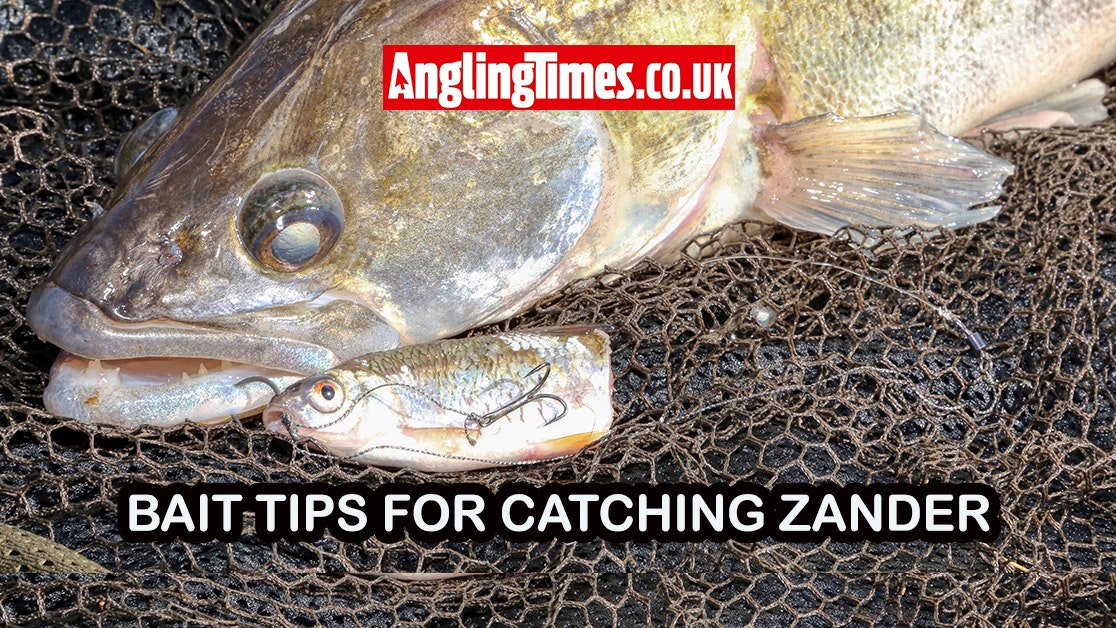
Catching zander has gained popularity among anglers, thanks to their distinctive characteristics and behaviors. Over the last few decades, zander have become more common across diverse aquatic environments such as rivers, canals, lakes, and large reservoirs, making the pursuit of this exotic fish increasingly appealing.
"If you are interested in the cutting edge of predator fishing, then the pursuit of zander is where it’s at," said Paul Garner, a noted fishing expert. While techniques for catching native predators like perch and pike can work for zander, understanding their unique habits can significantly enhance your fishing success.
"If you are interested in the cutting edge of predator fishing, then the pursuit of zander is where it’s at,"


To optimize your chances, strategizing where to fish is crucial. Zander often gather around specific features in the water, such as snags and areas with changes in depth or flow. Garner notes that, "Zander are often very localized...they will aggregate around features." This suggests that keen observation and an adaptive approach are essential for locating schools of zander.
When it comes to bait, the longstanding belief among many anglers is that freshwater deadbaits should be as fresh as possible. Garner mentioned, "I know anglers who will go as far as to use only rudd or gudgeon as their go-to baits." However, he is more flexible in his approach, stating that he has had success using shop-bought roach and even smelts and sardines when local regulations allow. It's clear that while freshness matters, versatility in bait selection can pay off.
Race Results
Race Results
Race Results
Zander have a relatively small mouth opening, which means that the size of your bait is also a critical consideration. "An offering around 4ins-6ins long is about right in most cases," Garner advised. He emphasizes that if you are missing bites, trying a smaller bait could lead to better results. Interestingly, he suggests that using larger bait can attract bigger zander, especially in areas with numerous small fish.
"An offering around 4ins-6ins long is about right in most cases,"
Career Journey
When hooking a deadbait, Garner has a unique method. "I normally hook a deadbait head-up the trace, with the top treble in the lip – the opposite direction to a pike bait," he explained. This technique enhances connection rates with zander, as they typically strike at the head end before turning to swallow the bait.
"I normally hook a deadbait head-up the trace, with the top treble in the lip – the opposite direction to a pike bait,"
Active engagement with the fishing environment is another strategy Garner advocates. "I’m not a ‘sit and wait’ zander angler...Regular recasting to different areas of the swim, or moving swims completely, is generally much more productive than staying put," he noted. By frequently changing locations, anglers can efficiently identify where zander are most active.
Championship Implications
In addition to deadbaits, utilizing lures can also be highly effective in targeting zander. Notably, Garner points out that these predators often move in midwater, particularly in lakes, making it essential to cover a lot of ground when fishing. "Covering lots of water with lures is often the best way to find these hot spots," he stated, highlighting the advantages of using various lure techniques.
"Covering lots of water with lures is often the best way to find these hot spots,"
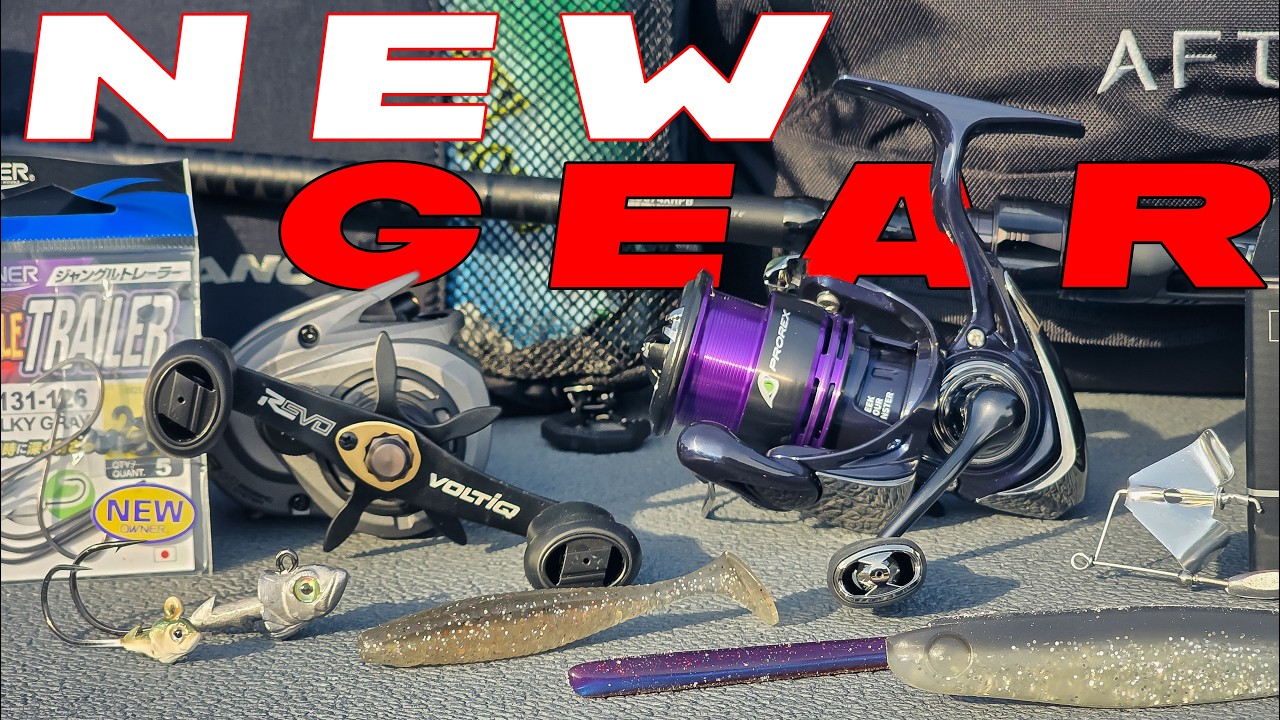
For anglers new to lure fishing, Garner recommends starting with simple, proven patterns. One of his favorites is a soft shad, which remains a reliable choice. "These lures can be fished at any depth by changing the jig head weight, and come in a huge range of sizes, suitable for any venue," he noted. This flexibility allows anglers to adjust their tactics based on environmental conditions and fish behavior.
"These lures can be fished at any depth by changing the jig head weight, and come in a huge range of sizes, suitable for any venue,"
Lures offer the versatility of both fast and slow retrieval, enabling anglers to explore different depths and areas effectively. When anticipating larger zander, Garner suggests opting for shads measuring between 9cm to 12cm. However, for smaller fish, particularly in canal environments, smaller offerings are more successful.
Another effective approach Garner highlights is the use of the Ned rig, particularly for canal fishing. "With these small lures we can slowly ‘drag and stop’ the lure along the bottom...an unbeatable tactic, especially when the water is quite clear and cold," he explained. This subtle technique can be effective when zander are less inclined to chase fast-moving prey.
In conclusion, catching zander requires a blend of adaptive strategies and an understanding of their unique behavior. By utilizing fresh and varied baits, experimenting with lure techniques, and maintaining an active fishing approach, anglers can enhance their success in pursuing these predatory fish. As Garner aptly puts it, paying attention to the subtleties in zander behavior and environmental conditions can make all the difference in a successful fishing outing.