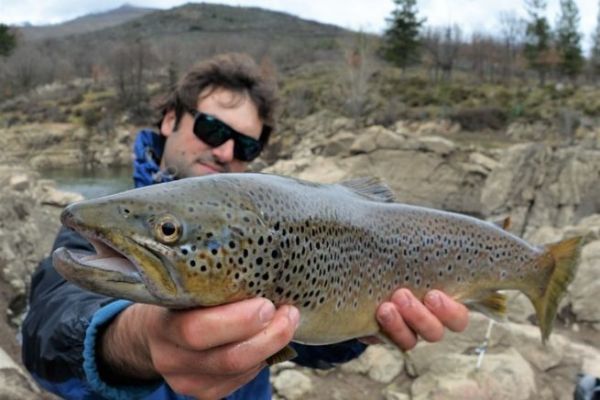
When it comes to fishing for sizable trout, knowing how and where to find these fish can make all the difference. A trout measuring at least 50 centimeters is considered large, and factors such as the environment play a crucial role in their growth. Whether dealing with brown, lake, sea, or rainbow trout, these magnificent fish thrive in conditions favorable for development.
"The biotope is a determining factor in the search for large trout," said fishing expert Morgan Calu. He emphasized that big trout are often found in thriving habitats that support rapid growth. Identifying these rich environments is essential for anglers aspiring to catch notable trout.
"The biotope is a determining factor in the search for large trout,"

In various regions, skilled fishermen often have a go-to spot recognized for excellent salmonid catches. The key to finding these spots lies in researching local biotopes; larger rivers referred to as piedmont rivers, located in valleys and fed by cool, oxygenated streams, are commonly where larger specimens reside. According to Calu, “These rivers have a lively current all year round,” making them ideal for big trout.

In contrast, smaller mountain streams, which may dry up in summer and flood in winter, rarely host significant catches. Calu pointed out that, besides the rivers, lakes—particularly reservoirs—can also serve as habitats for fast-growing trout. These natural bodies of water, when paired with the right conditions, can yield excellent fishing opportunities.
Understanding the importance of biotope is paramount, as Calu noted, “Large trout need a biotope suited to rapid growth.” Factors that affect their size are often linked to food availability and site richness, especially the presence of smaller fish, which make up a primary component of their diet.
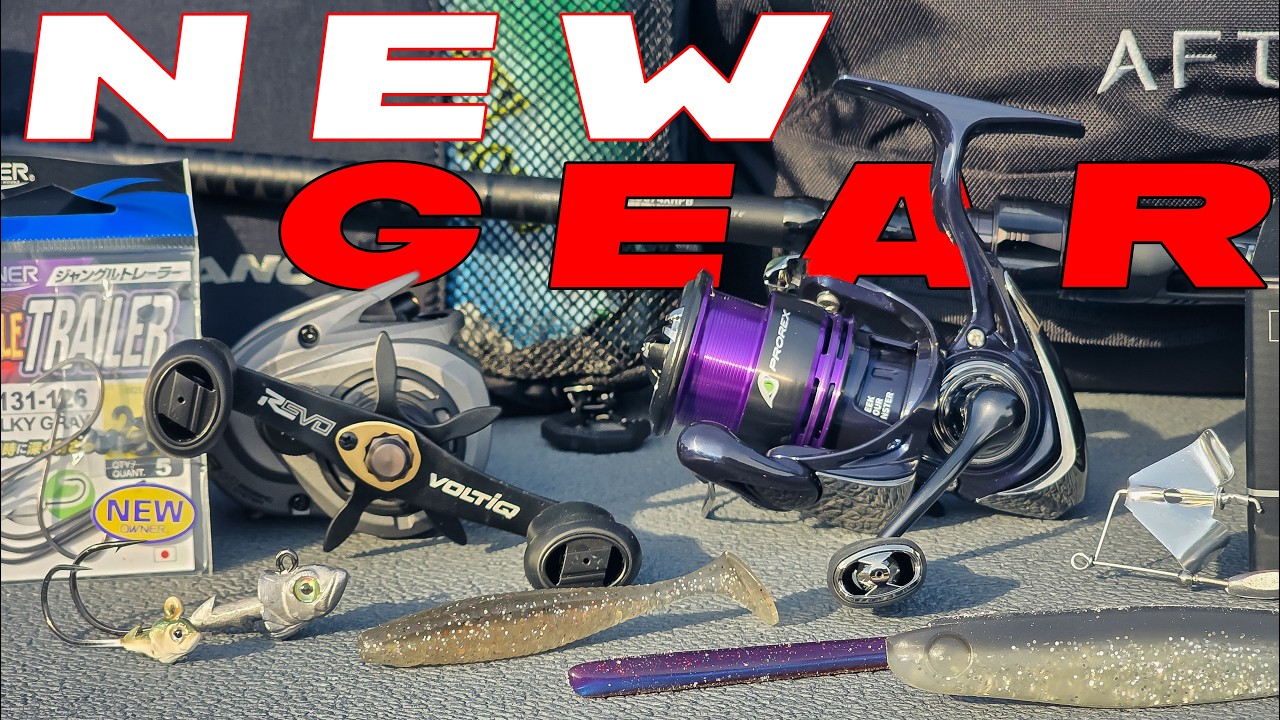
Trout are known to be predatory and often icthyophagous, meaning they primarily consume fish. Their diet typically includes minnows, gudgeon, small cyprinids, sculpins, and occasionally even other trout. This eating behavior makes them prime targets for anglers using lures. “They are precise predators whose diet consists mainly of fish. A godsend for lure anglers!” Calu remarked.
Employing lure fishing techniques proves effective in attracting these formidable predators. With their aggressive nature, large trout are receptive to various lure types, especially those resembling their usual prey. Calu suggests employing larger lures than the standard ones used for smaller trout catches.
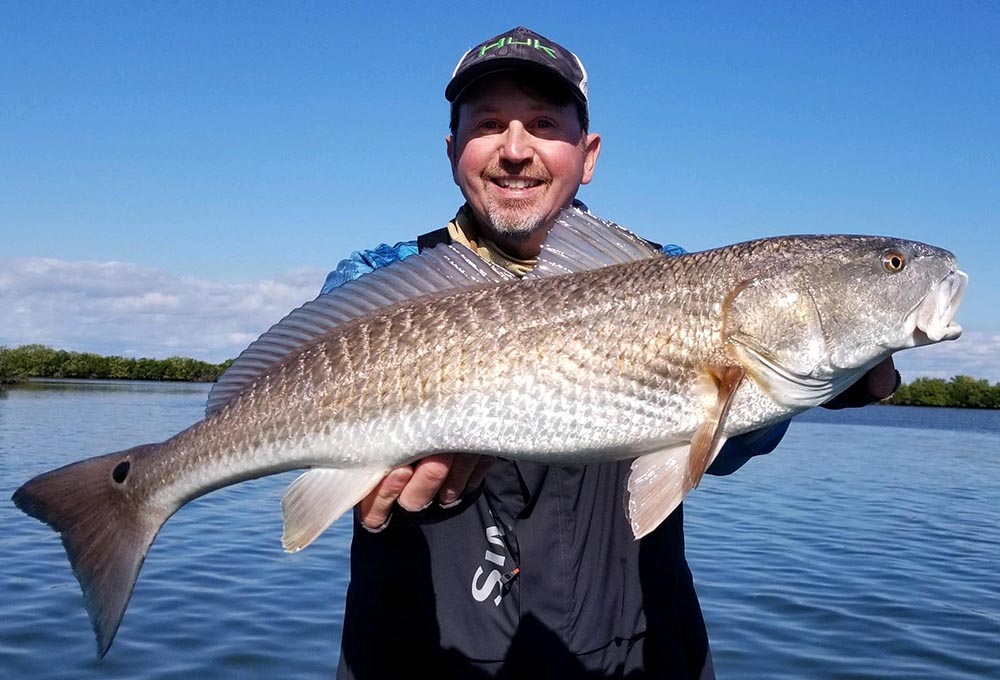
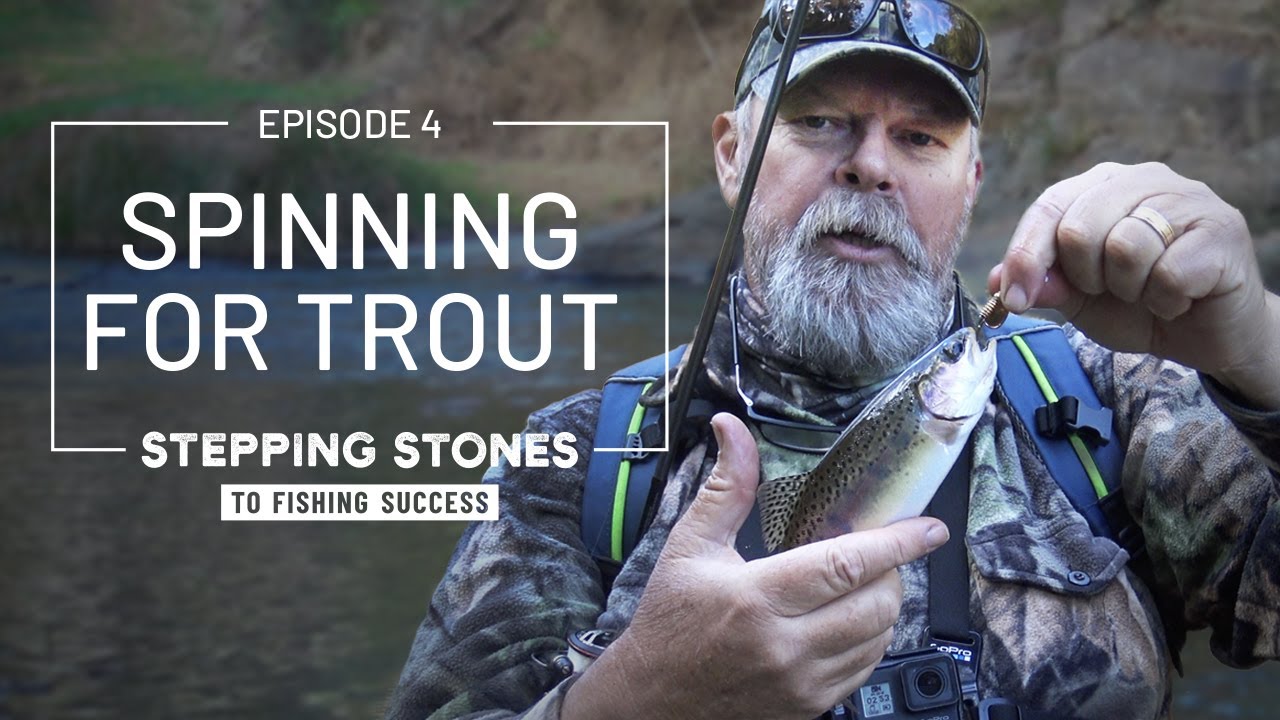
"Minimum sizes should range from 65 mm to 100 mm," Calu advised. Minnow and jerkbait swimbaits rank among the top candidates for enticing big trout. He recommends using sinking models for fishing in currents and deep pockets, which can increase the odds of a successful catch.
"Minimum sizes should range from 65 mm to 100 mm,"
For Calu, using dynamic animations—characterized by vigorous jerks and swift retrieves—is critical. “I act on the reflex mechanism of these predators,” he explained, “which often pushes these big trout to attack.” In addition to hard baits, he frequently employs soft lures, favoring imitations that accurately mirror fish.
Race Results
“I prefer finesse lures for their ability to imitate and incite fish,” Calu added, pointing out their versatility in triggering bites even when other lures may fail. Anglers should be willing to experiment with various lures to see which ones yield the best results in specific fishing areas, a tactic Calu refers to as "spinning your box."
Selecting the right fishing location is only part of the battle; proper technique is also essential. Salmonids, particularly larger specimens, can be quite wary, necessitating a thoughtful approach and strategic casting rather than simply reeling in line repeatedly. Understanding trout behavior and patterns can further enhance success rates.
In summary, fishing for large trout requires an understanding of biotope dynamics, the selection of appropriate lures, and an adaptable fishing strategy. By paying attention to these factors, anglers can significantly increase their chances of luring in these striking freshwater predators. As Morgan Calu aptly put it, “The right strategy can turn a fishing trip into a successful adventure.”