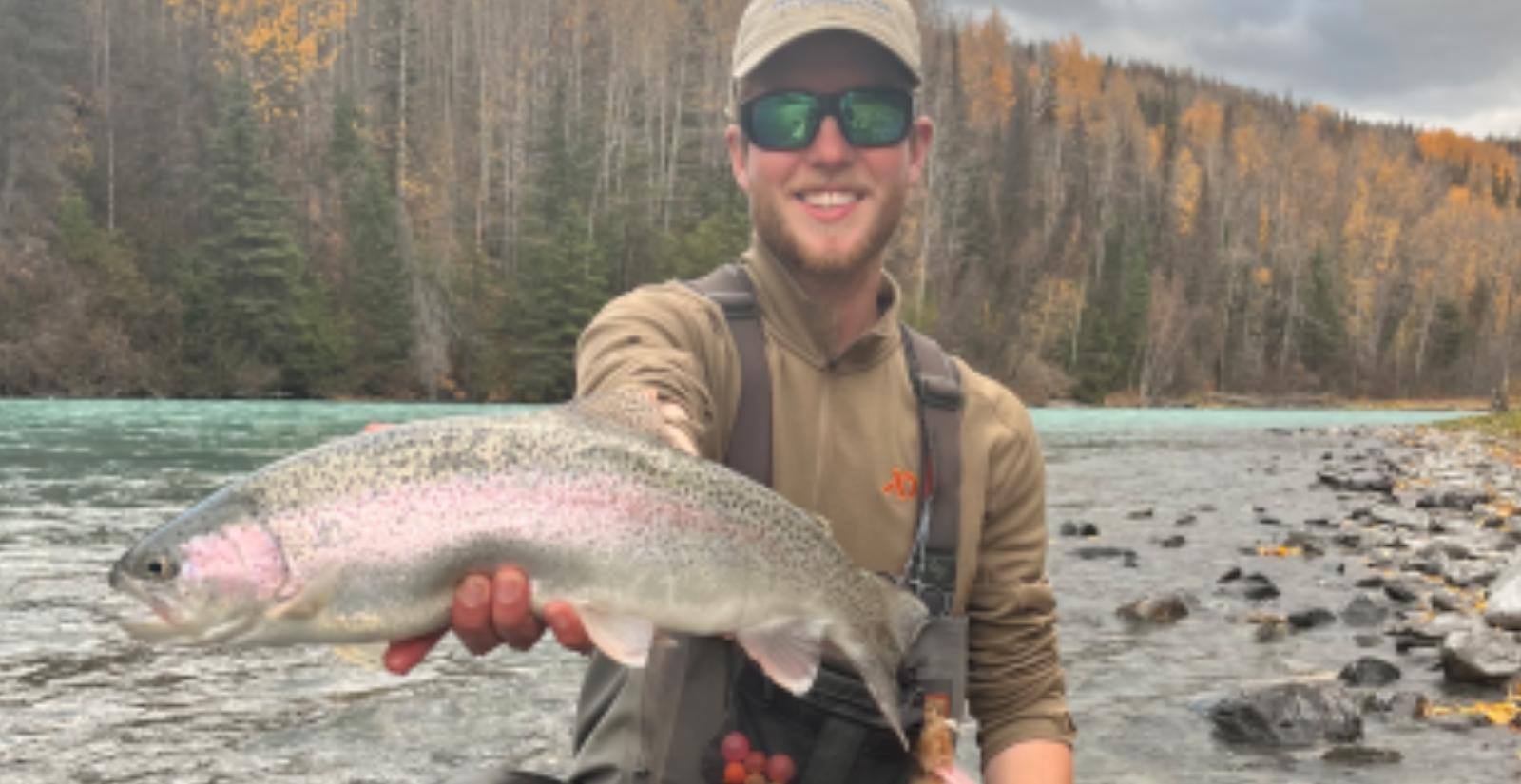
Selecting the right bait for trout fishing isn't particularly challenging, as these fish are drawn to a variety of options. "They like garden worms, mealworms, wax worms, and nightcrawlers," stated fishing expert Joe Cermele. "Salmon eggs score big, as do all of the synthetic dough baits on the market these days." For those preferring to grab supplies from the grocery store, even corn and marshmallows can be effective in attracting trout.
"They like garden worms, mealworms, wax worms, and nightcrawlers,"
What truly matters, especially for anglers focused on stocked trout, is the method of delivering bait effectively. While trout fishing rigs might not be overly complex, having a solid understanding of the main techniques can significantly boost your catch. Here, Cermele outlines three fundamental rigs every angler should know.


The first setup is the Split Shot Trout Rig, which is as straightforward as it gets. "It’s just a hook tied to the end of your main line, and one or more split shot crimped anywhere from 6 inches to a foot above that hook," Cermele explained. He emphasized that despite its simplicity, anglers need to consider factors such as water type and trout behavior.
"It’s just a hook tied to the end of your main line, and one or more split shot crimped anywhere from 6 inches to a foot above that hook,"
Cermele pointed out that the variety in split shot sizes and materials is crucial. "Tin split shot, as an example, is lighter and falls more slowly than lead split shot. It also splashes a little quieter, making it the better option in small, clear streams where the trout are spooky." This rig works particularly well in moving water, where the aim is to replicate the natural forage as the bait drifts along the bottom.
For those venturing into lakes or ponds, the Split Shot Rig can still be utilized but may require longer casts. "You could add a mountain of heavier split shot to the rig to send the bait the proper distance, but there are more effective trout fishing rigs for still waters that’ll also help you catch more trout," Cermele advised.
"You could add a mountain of heavier split shot to the rig to send the bait the proper distance, but there are more effective trout fishing rigs for still waters that’ll also help you catch more trout,"
Next up is the Distance Rig, ideal for stillwater fishing where trout often sit deeper. "If you were to add a bunch of split shot ahead of your hook to bomb it out into the lake, a trout will feel the resistance of all that weight as soon as it grabs the bait," Cermele cautioned. This resistance can lead to missed bites, making the Distance Rig a more advantageous choice.
"If you were to add a bunch of split shot ahead of your hook to bomb it out into the lake, a trout will feel the resistance of all that weight as soon as it grabs the bait,"
Race Results
Race Results
Race Results
To construct this setup, begin by cutting approximately 18 inches of monofilament line and reconnect it to the main line using a Blood knot, ensuring the tag ends measure between 6 to 8 inches long. "Tie your hook to the end of the remaining tag end," pointed out Cermele. The resulting L shape positions the hook above the weight, which is crucial for achieving longer casts.
"Tie your hook to the end of the remaining tag end,"
“The weight leads when you fire this rig, helping you achieve maximum distance,” said Cermele. When employing this rig, the placement of the weight below the hook ensures that trout won’t feel the tug of the sinker as they bite, thus increasing your catch rate.
Finally, Cermele recommends the Float Rig, an effective setup when fishing in areas with varying depths or vegetation. Using a float allows an angler to keep the bait suspended at the desired depth, making it more visible to the fish lurking just below the surface. "The float acts as a visual indicator and keeps the bait off the bottom, which can be particularly effective in weedy areas," he noted.
"The float acts as a visual indicator and keeps the bait off the bottom, which can be particularly effective in weedy areas,"
Anglers can modify the depth of their rig by adjusting the float, enabling them to find the sweet spot where fish are cruising. "You can even bait your hook with small minnows or worms, essentially creating a dynamic setup that will entice trout to strike," said Cermele.
"You can even bait your hook with small minnows or worms, essentially creating a dynamic setup that will entice trout to strike,"
As the trout fishing season heats up this spring, having a firm grasp on these rigs can significantly increase your chances of success. Mastering the Split Shot, Distance, and Float Rigs will provide anglers with versatile methods suitable for diverse fishing conditions. With the right knowledge, you can ensure your time on the water is fruitful and enjoyable, ultimately enhancing both your skills and experience.