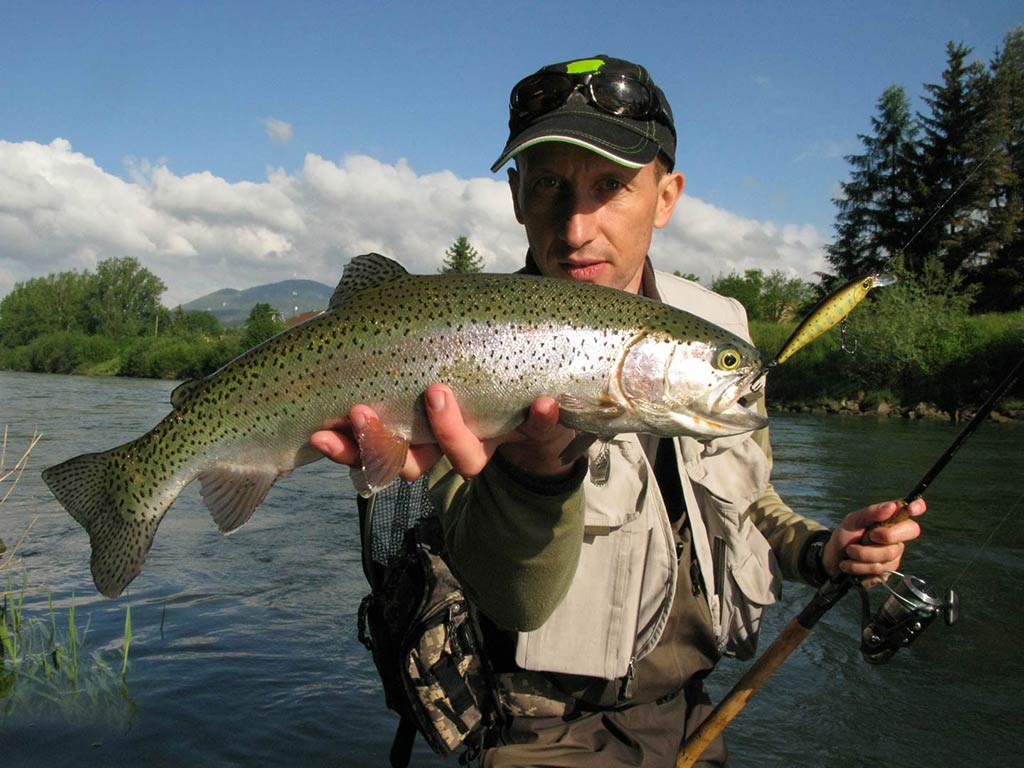
As spring fishing season approaches, trout continue to reign as one of the most sought-after species among American anglers, attracting everyone from weekend warriors to seasoned professionals. While traditional bait methods remain popular, lures have increasingly proven their effectiveness across diverse fishing environments, offering anglers more dynamic and engaging fishing experiences.
"Trout are among the most popular species to pursue with a rod and reel," said fishing expert Zach Lazzari, highlighting the enduring appeal of these prized fish. This popularity isn't just about tradition – it's rooted in the trout's responsiveness to various fishing techniques and their presence in accessible waters including streams, lakes, and rivers across the country.
"Trout are among the most popular species to pursue with a rod and reel,"

The world of trout lures extends far beyond simple spinners and spoons. Flies, which serve both fly and spin fishing techniques, jigs, and hard lures offer an extensive array of rigging possibilities. While this variety can seem overwhelming to newcomers, Lazzari emphasizes that complexity isn't always necessary for success. The key lies not just in lure selection, but in understanding the fundamental aspects of trout behavior, habitat preferences, and feeding patterns.

Race Results
**Decoding Trout Behavior for Better Results**
Successful trout fishing begins with understanding what makes these fish tick. According to Lazzari, location and food sources are paramount: "When you figure out where the Trout live and what they're eating, it becomes much easier to select the best lure for that exact situation." This knowledge separates productive fishing days from frustrating ones, as anglers learn to read the water and adapt their approach accordingly.
Impact and Legacy
Trout behavior varies significantly based on their feeding mode. Recognizing when trout are aggressively feeding versus when they require more subtle presentations can dramatically impact success rates. This behavioral understanding helps anglers adjust their technique, lure choice, and presentation speed to match the fish's current disposition.
**The Food Source Factor**
Food availability serves as a primary driver of trout behavior and feeding patterns. "Trout become very focused on singular food sources when they're abundant," Lazzari explained. This selectivity becomes particularly pronounced during specific hatches, such as mayfly emergences, when trout develop tunnel vision for insects matching particular sizes and colors.
"Trout become very focused on singular food sources when they're abundant,"
Conversely, when preferred food sources become scarce, trout expand their dietary horizons significantly. During these periods, they'll pursue larger prey including sculpins, crayfish, and opportunistically feed on small creatures like mice or birds that fall into the water. This behavioral shift requires anglers to adjust their lure selection and presentation accordingly.
Impact and Legacy
The type of water being fished also influences food source availability and trout feeding patterns. Small creeks typically harbor insects, crayfish, and small minnows as primary food sources. Rivers offer similar options but often see trout focusing more heavily on crayfish populations. Lakes present the most diverse feeding opportunities, creating what Lazzari describes as an "all-of-the-above" scenario where trout may target various prey throughout the day.
"all-of-the-above"
**Temperature and Oxygen: The Environmental Equation**
Water temperature plays a crucial role in trout activity levels and feeding behavior. "If the water is too cold, the fish slow down. Too warm? They struggle as well," Lazzari emphasized. Finding that optimal temperature window can significantly enhance angling success.
The sweet spot for trout activity falls between 55-65 degrees Fahrenheit, where fish exhibit peak activity levels and feeding aggression. "When temperatures drop below 50 degrees, the fishing remains productive," Lazzari noted, though anglers should expect more sluggish responses and may need to slow their presentations accordingly.
"When temperatures drop below 50 degrees, the fishing remains productive,"
When water temperatures climb above 65 degrees, trout typically become more lethargic and less aggressive toward lures. During these warmer periods, successful anglers often focus on deeper waters, shaded areas, or fish during cooler parts of the day.
**Simplifying Lure Selection**
With countless lure options available, beginners often feel overwhelmed by choices. However, Lazzari advocates for mastering proven techniques rather than getting caught up in complexity: "Simple approaches are effective, so I'll focus on catching Trout with some of the most proven techniques."
Whether choosing spinners, spoons, swimbaits, or jigs, the key lies in matching lure size and color to local conditions and current trout feeding behaviors. Successful anglers develop the ability to adapt their lure selection based on specific environmental factors rather than relying on a one-size-fits-all approach.
**Looking Ahead**
As 2024 progresses, trout fishing continues evolving with new materials and lure designs enhancing angler success rates. However, the fundamental principles of understanding trout behavior, reading water conditions, and matching techniques to environmental factors remain as relevant as ever. For both novice and experienced anglers, focusing on these core concepts provides the foundation for consistent success on the water.