Bass fishing remains one of America's most popular recreational pursuits, offering anglers the excitement of battling these aggressive predators found in waters across nearly every state. For those looking to improve their success on the water, understanding bass behavior and adapting techniques to environmental conditions proves crucial, according to experienced tournament angler Captain Cody.
Drawing from extensive competition experience throughout Pennsylvania and New Jersey, Captain Cody emphasizes that effective bass fishing requires more than just casting a line and hoping for the best. "Successful bass fishing depends on understanding their behavior and adapting your approach to different conditions," he explained.
"Successful bass fishing depends on understanding their behavior and adapting your approach to different conditions,"


The foundation of successful bass angling lies in comprehending how these fish hunt and respond to their environment. Bass behavior shifts dramatically based on seasonal changes, water temperature, and time of day – patterns that skilled anglers must recognize to consistently catch fish.
"Bass are primarily sight predators. When a bass can see a lure or bait, there's the highest chance it will strike," Captain Cody noted. However, vision isn't their only hunting tool. These fish rely heavily on vibrations detected through their lateral line, a specialized sensory organ running along their sides that can pick up water movements from distances up to 20 feet away.
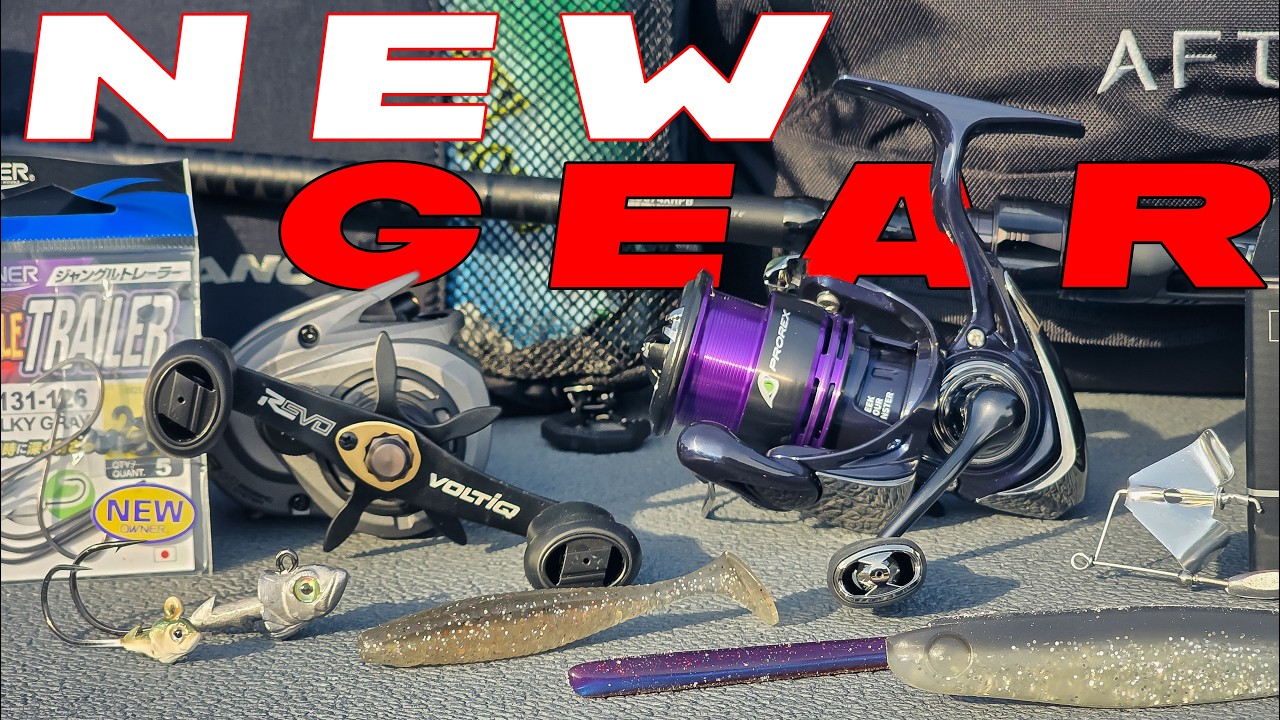
"This is why vibrating [lures](/gear/fishing-lure) work so well, especially in low visibility conditions," Captain Cody explained, highlighting how understanding bass anatomy directly translates to lure selection and fishing strategy.
"This is why vibrating lures work so well, especially in low visibility conditions,"

By the Numbers
When fishing becomes challenging, scent can provide the edge needed to turn a slow day productive. "When I'm struggling to get bites, adding scent to my lures has often turned a slow day into a productive one," Captain Cody shared, revealing one technique that has served him well during difficult tournament conditions.
"When I'm struggling to get bites, adding scent to my lures has often turned a slow day into a productive one,"
Qualifying
Qualifying
Qualifying
Understanding what bass eat naturally helps anglers select appropriate baits and lures. These opportunistic feeders consume virtually anything that fits in their mouths, including small mammals and birds that fall into the water, insects, worms, frogs, and various amphibians. Crayfish represent a particular favorite, especially among smallmouth bass, while different baitfish species like shad, shiners, perch, and bluegill form staples of their diet. Juvenile bass typically focus on smaller prey including aquatic insects, crustaceans, and tadpoles.
Captain Cody's tournament success stems from mastering multiple fishing techniques rather than relying on a single approach. "Mastering several different methods is essential," he emphasized, before outlining his most effective strategies.
"Mastering several different methods is essential,"
Soft plastic fishing has become a cornerstone technique in modern bass angling. Worms, tubes, and lizard-style baits offer versatility through various rigging methods. Jig heads provide excellent control over bait movement, while Carolina-rigged setups position the weight one to two feet above the bait. Texas-rigged presentations offer weedless options by burying the hook point in the plastic, and weightless rigging allows baits to sink slowly, particularly effective for enticing bass in shallow water.
Success with soft plastics demands patience and stealth. "Approach fishing spots quietly, make gentle casts, and watch for subtle signs of a bite," Captain Cody advised, emphasizing techniques that separate successful tournament anglers from casual weekend fishermen.
"Approach fishing spots quietly, make gentle casts, and watch for subtle signs of a bite,"
Impact and Legacy
Spinner fishing provides another effective approach, with spinnerbaits and inline spinners allowing anglers to cover large water areas quickly. "I typically cast perpendicular to the shoreline, especially in the spring when the bass are drawn to warmer waters in the shallows," Captain Cody explained. Beginning the retrieve immediately upon lure impact ensures proper blade rotation, a critical element for spinner effectiveness.
"I typically cast perpendicular to the shoreline, especially in the spring when the bass are drawn to warmer waters in the shallows,"
Topwater fishing delivers some of bass angling's most exciting moments. Captain Cody relies on poppers, buzz baits, and jitterbugs, particularly during low-light conditions when bass become more surface-active as their nocturnal prey emerges.
"During the day, focus on shaded areas or heavy cover. At dusk, bass become more surface-active as nocturnal prey emerges," he explained, detailing how successful anglers adjust their approach based on lighting conditions and bass feeding patterns.
Patience proves essential with topwater presentations. "Work the bait slowly with pauses," Captain Cody advised, noting that the deliberate retrieve often triggers strikes from bass that might otherwise ignore faster-moving lures.
"Work the bait slowly with pauses,"
Through years of tournament competition, Captain Cody has learned that consistent bass fishing success requires understanding fish behavior, mastering multiple techniques, and adapting approaches to ever-changing conditions. For anglers seeking to improve their catch rates, these insights from competitive fishing provide a roadmap for more productive time on the water.