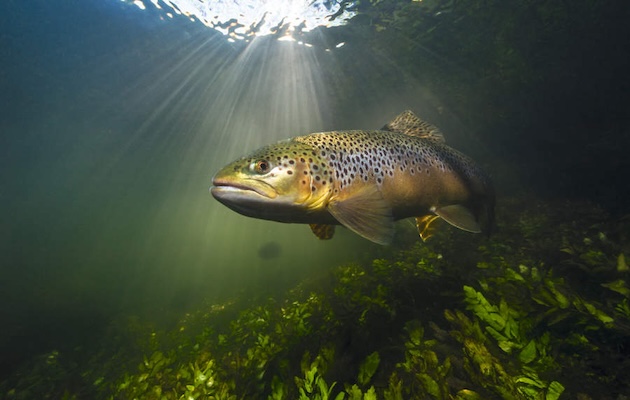
In the quest for a successful day of fly fishing, understanding where trout are most likely to be found is essential. "Having an intuitive understanding of where trout will be lying is key to a successful day on the water," said Tobias Coe, an expert in the field. The art of locating trout is a skill that can take years to master, as it involves developing an intricate understanding of water behavior and fish habits.
"Having an intuitive understanding of where trout will be lying is key to a successful day on the water,"
Reading the water effectively is crucial when targeting trout, a skill that resembles piecing together a complex jigsaw puzzle. Trout have two primary objectives during their daily activities: to feed efficiently while conserving energy and avoiding predation. Coe emphasized the importance of thinking like a trout to increase one's chances of success. "Trout, particularly the larger individuals that we are more interested in catching, tend to sit in spots with a reasonable source of food, and close to some form of cover," he explained.

"Trout, particularly the larger individuals that we are more interested in catching, tend to sit in spots with a reasonable source of food, and close to some form of cover,"
When considering where trout are most likely to be located, it is essential to understand their feeding patterns. Larger trout often occupy areas with a consistent flow of food, although pinpointing these exact locations can be challenging. "The world of trout is one of micro-currents and complex flow dynamics," Coe remarked. These fish are typically found in feeding lanes where they can intercept nymphs and other invertebrates being swept toward them.
"The world of trout is one of micro-currents and complex flow dynamics,"

Championship Implications
In clear water, observing trout behavior can be easier, as anglers may spot fish holding in specific positions. However, in less transparent conditions, determining where trout might be lurking can require more analytical skills. Coe advises looking for signs such as rising fish or specific features in the water. "Look for points when two flow streams come together or when the flow is channeled into a narrower line," he noted. These confluences can often provide prime feeding spots for trout, where they will gather to catch food drifting downstream.
"Look for points when two flow streams come together or when the flow is channeled into a narrower line,"
Another visible indicator that can guide anglers is the "bubble line". This phenomenon occurs where surface bubbles gather downstream as water cascades over obstacles, creating a focused line in the current. According to Coe, "The surface bubbles provide us with an easily readable clue as to what is going on under the water." Trout are frequently found resting within these bubble lines, ready to feed on the drifting food items surrounding them.
"bubble line"
Identifying and following these indicators requires patience and practice. Engaging in countless days of fishing is essential in building the necessary experience. Coe reinforces that patience is vital: "It is a gradual, incremental process, akin to adding pieces to a mental jigsaw puzzle." This dedication will not only improve your skills but also enhance your overall enjoyment of the sport.
Race Results
During the fishing season, conditions can fluctuate, affecting where trout will be found and how they behave. Adjusting techniques to adapt to changing water levels, weather, and seasonal patterns can lead to more fruitful results. Keeping an eye on nature’s signals, whether it's the temperature of the water or the insects that are present, can significantly inform an angler’s approach.
In summary, successfully finding trout when fly fishing involves a combination of understanding trout behavior, recognizing water dynamics, and connecting with nature’s clues. As Coe stated, learning to read the water and think like a trout helps anglers tremendously in improving their catch rates. By incorporating these practices into your fishing routine, you may find yourself reeling in more trout than ever before, adding excitement and fulfillment to your fishing adventures.
Looking Ahead
Looking ahead, the principles of reading the water and evolving in your fishing techniques will serve you well in the years to come, as you continue to learn and adapt to the ever-changing aquatic environments. Whether you're a seasoned angler or just starting, immersing yourself in the processes of locating trout will enrich your fly-fishing experience.