Bream fishing is not just a hobby for many Australians; it’s a way of life. As one of the most sought-after species, these fish present a challenge and excitement for anglers due to their availability in coastal regions and estuaries across the country.
"Bream are a popular target species as they are readily available around much of Australia, especially in estuaries and around jetties," noted fishing expert Justin Willmer. When targeting these fish, understanding their behavior and preferences can greatly enhance an angler's chances of success.
"Bream are a popular target species as they are readily available around much of Australia, especially in estuaries and around jetties,"

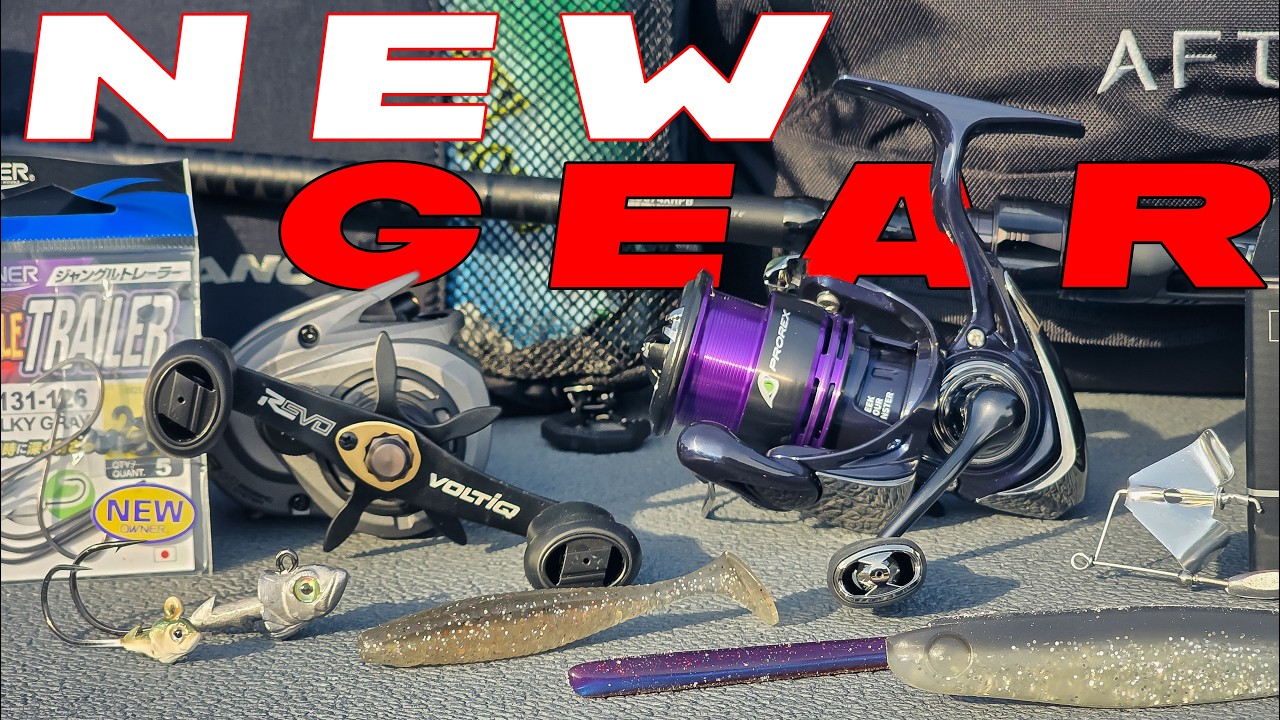
The key to a fruitful bream fishing expedition lies in the type of lures used. Willmer emphasized that certain lures tend to attract bream more effectively than others: "Soft plastics, hard bodies, and vibes are among the top choices that consistently deliver results." This suggests that experimenting with different lure types could lead to varied success rates.

Career Journey
Timing plays a critical role as well. According to Willmer, "Bream are generally more active during dawn and dusk, making these times ideal for fishing." Early mornings and late evenings not only offer the best chances but also provide a more serene fishing experience away from the bustling daytime crowds.
Understanding the environment is also crucial when fishing for bream. They often lurk near structures and in shallow flats. As Willmer states, "Look for areas with structure such as rocks, fallen trees, and pontoons where bream are likely to hang around." This insight highlights the importance of patience and observance in successful bream fishing.
Moreover, adapting techniques based on water conditions can make a significant difference. "Retrieve your lure at varying speeds; sometimes bream prefer a slow roll, while other times a quick, erratic motion may provoke a strike," advised Willmer. This versatility in approach is essential in responding to changing conditions that bream might encounter.
"Retrieve your lure at varying speeds; sometimes bream prefer a slow roll, while other times a quick, erratic motion may provoke a strike,"
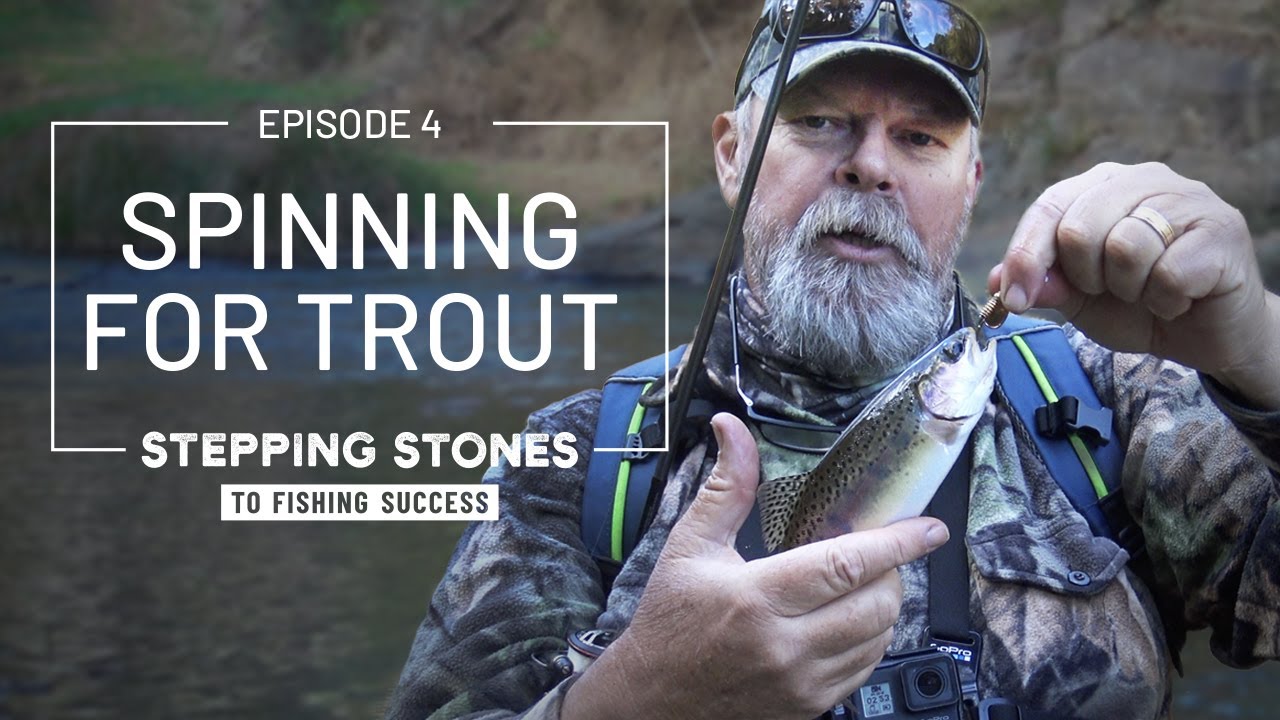
When it comes to lure presentation, finesse is key. Willmer adds, "A subtle presentation can be the difference between a bite and nothing. Ensure your tackle is light and allows for natural movement." This focused attention on detail can cultivate more robust interactions with these fish.
In addition to location and techniques, the tackle setup is equally important. Utilizing lighter lines can enhance sensitivity, allowing anglers to detect subtle bites. "A 6-10 lb line is usually sufficient, but keeping it light can help in presenting the lure more effectively," Willmer pointed out.
"A 6-10 lb line is usually sufficient, but keeping it light can help in presenting the lure more effectively,"
Despite the elements of skill involved, Willmer insists that bream fishing is inherently rewarding regardless of the outcome: "Every fishing trip presents a lesson, whether you catch or not. It enhances the appreciation for the sport and the environment." This perspective reflects a broader appreciation for the fishing community and the experiences shared amongst anglers.
Engaging in bream fishing with the right mindset—armed with knowledge and respect for the craft—will lead not just to success on the water but also to lasting memories. As more Australians take to the water, it’s clear that the art of catching bream is as crucial to fishing culture as the techniques employed.
Looking Ahead
As bream fishing continues to thrive, the community encourages newcomers to learn and share experiences, fostering a sustainable and enjoyable fishing future. With the right lures and approach in mind, anglers are set to enjoy abundant bream catches all season long.