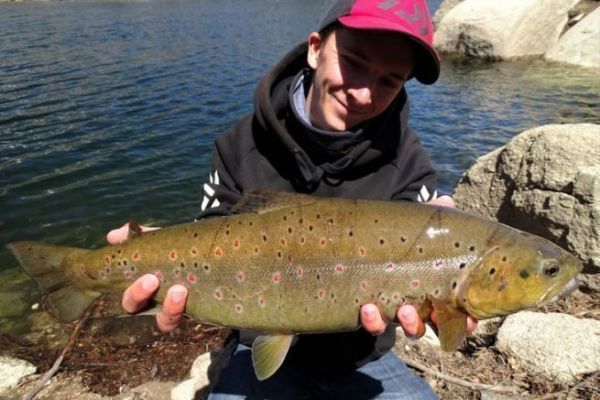
Catching large trout is a dream for many anglers, and while hope remains a key ingredient, strategic decisions can significantly enhance your chances. Antonin Perrotte-Duclos, a fishing expert, emphasizes the importance of preparation and understanding when it comes to lure fishing.
"The hope of catching a trophy fish for a lure angler is ever-present," said Perrotte-Duclos, laying the groundwork for his advice. He insists that optimism must be paired with informed tactics, particularly in lure selection.
"The hope of catching a trophy fish for a lure angler is ever-present,"


Choosing the right lure is pivotal for those seeking larger fish. Opting for larger lures can help target the size of fish you want. "Increasing the size of the lures we use allows us to better select the size of the fish we want to catch," Perrotte-Duclos remarked. Although fishing with sizable lures can be met with challenges, those who persist often find success.
"Increasing the size of the lures we use allows us to better select the size of the fish we want to catch,"
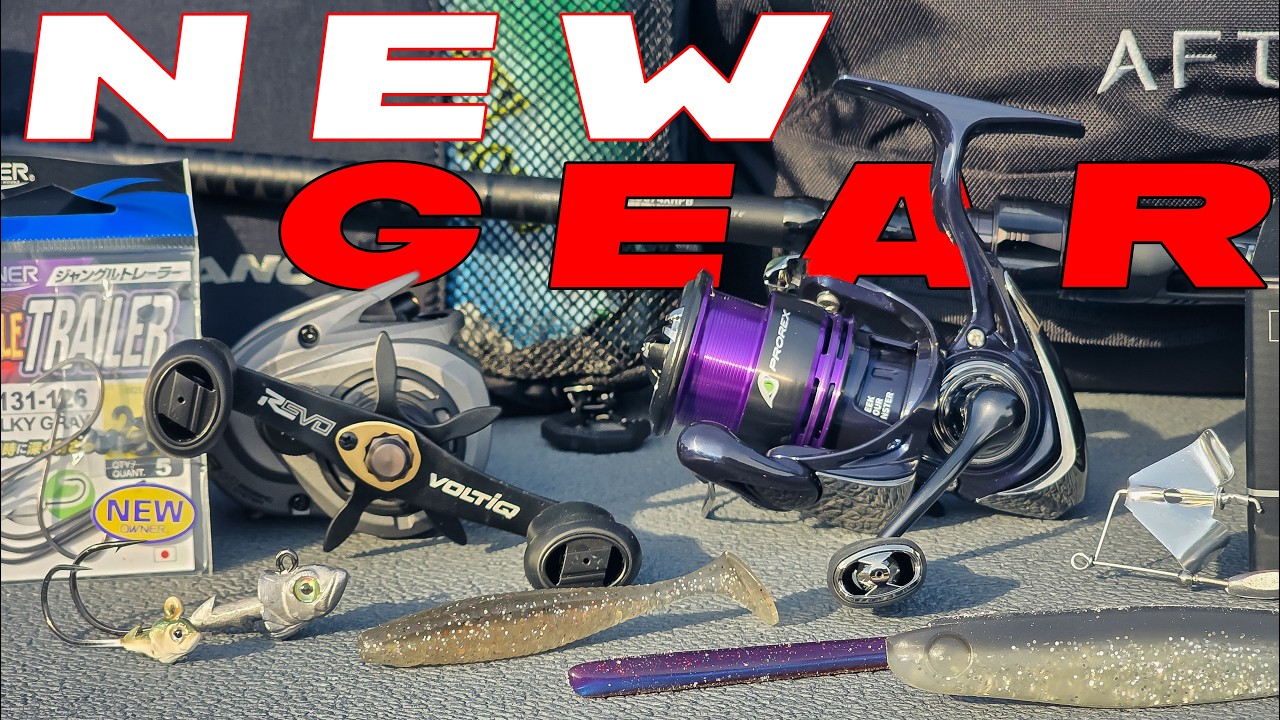
The rationale behind using larger lures lies primarily in their visibility and vibration properties. Large lures, either soft or hard, create a substantial presence in the water. Their size leads to greater water displacement, generating vibrations that attract predatory fish. "A large specimen does not need to 'see' your lure to know it is there," he explained. These characteristics make big lures particularly enticing to larger trout.
"A large specimen does not need to 'see' your lure to know it is there,"

Timing your fishing trips is just as critical as selecting the right lure. Perrotte-Duclos advises that anglers should focus on the prime times when fish are most active. Legal fishing hours in France begin 30 minutes before sunrise and extend to 30 minutes after sunset. He contributes much of his success to fishing during these golden hours, stating, "It is in this period of time between the legal fishing time and the appearance of the first rays of sun... that we must concentrate our efforts."
Career Journey
Weather conditions also play a significant role. Lack of bright sunlight, especially on overcast days, can work in your favor. "If you are not one of those who get up at dawn to go fishing, I recommend you to choose days when the sky is overcast," he advised.
"If you are not one of those who get up at dawn to go fishing, I recommend you to choose days when the sky is overcast,"
Another crucial aspect is defining what constitutes a 'large' lure, which can vary among anglers. Perrotte-Duclos noted that perceptions of lure size differ. "Each fisherman has a different vision of what a big lure is. The pike fisherman will immediately think of lures over 15 cm while an angler used to trout in small streams will not dare to exceed 7 cm.” Thus, what is considered large should fit the specific fishing environment you are in, as different waters may house varying trophies in size.
Establishing effective lure sizes relative to target fish can also vary, depending on the specific conditions of the fishing area. For instance, certain rivers might host trout that max out at 40 centimeters, while larger rivers may not yield trophies under 60 centimeters. Perrotte-Duclos mentions, "If I can give you an idea of the size of lures that I consider big for trout, the length of the lure should be more than a quarter of the length of the fish you are looking for."
Career Journey
Career Journey
Career Journey
In summary, anglers hoping to net larger trout should take a systematic approach by selecting the right lure sizes, timing their fishing trips wisely by utilizing the early morning and late evening hours, and being aware of local fish size norms. By combining these strategies, you may enhance your record with that much-anticipated trophy catch.