For many freshwater fishing enthusiasts, few species offer the thrill and challenge of rainbow trout. These vibrant fish have captivated anglers with their striking colors and spirited nature, making them among the most sought-after catches in rivers, streams, and lakes across the country.
"If you want to catch rainbow trout, understanding their habits is key to improving your success," said Leonard Schoenberger, founder and editor of The Wading List. This sentiment echoes throughout the angling community, where knowledge of trout behavior often separates successful fishermen from those who return empty-handed.
"If you want to catch rainbow trout, understanding their habits is key to improving your success,"

Rainbow trout are creatures of specific preferences, thriving in cool, clear waters with temperatures ranging between 50-60°F. These conditions create the ideal environment for their feeding and survival patterns. "Knowing where to find them is half the battle won!" Schoenberger emphasized, highlighting the critical importance of understanding local water environments.

The search for prime rainbow trout habitat often leads serious anglers to some of the world's most pristine waters. Greg Houska, who has extensively fished the cold rivers of Alaska, noted that these waters provide some of the finest habitats for rainbow trout globally. The fish typically seek refuge in areas adorned with rocks, logs, and aquatic plants – natural structures that provide both shelter and feeding opportunities.
Identifying these covers represents a fundamental skill that can significantly elevate an angler's strategy. Rainbow trout use these structures not only for protection from predators but also as staging areas where they can ambush prey carried by the current.
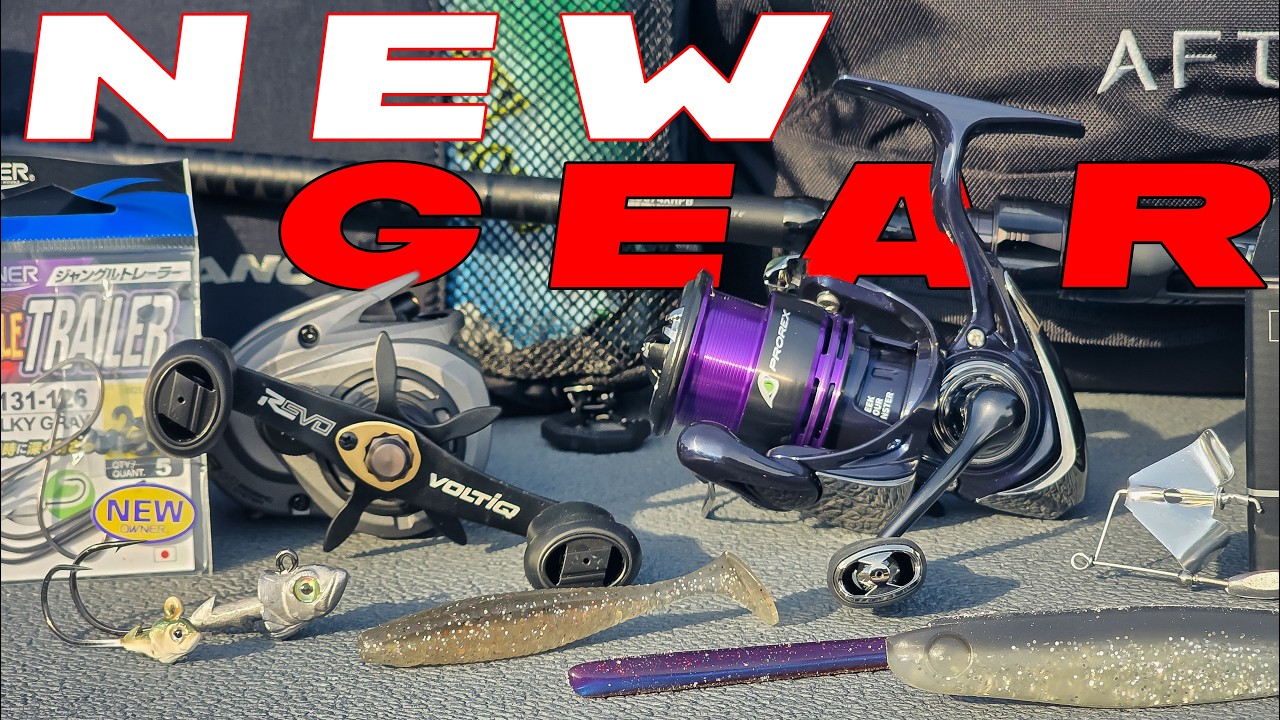
When it comes to equipment, proper gear selection can make the difference between a memorable day on the water and a frustrating experience. Schoenberger recommends a rod in the #5 or #6 weight range as ideal for targeting rainbow trout. "This setup strikes the right balance between flexibility and strength," he explained, noting that this configuration allows anglers to handle the energetic fights these fish are famous for.
"This setup strikes the right balance between flexibility and strength,"
A 4-6 weight fly rod paired with a high-quality reel featuring a smooth drag system forms the foundation of effective rainbow trout fishing. This combination provides adequate control during the spirited battles that make rainbow trout such prized catches while maintaining the sensitivity needed to detect subtle strikes.
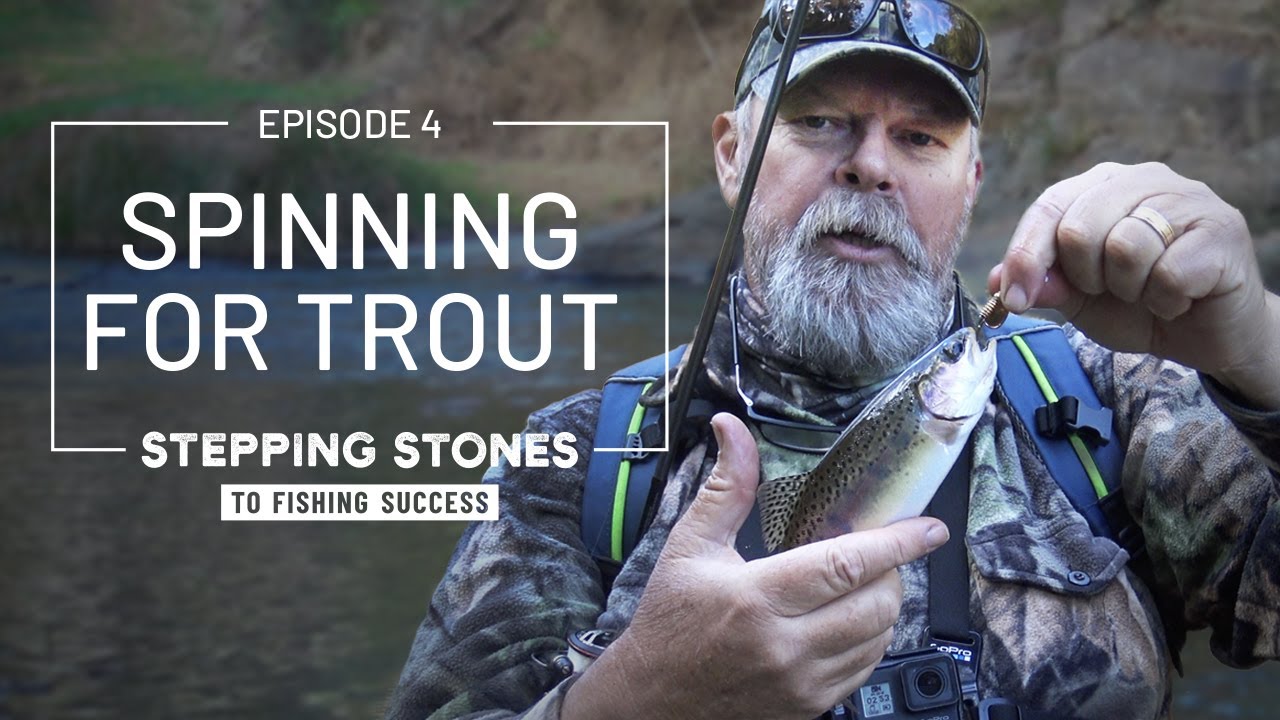
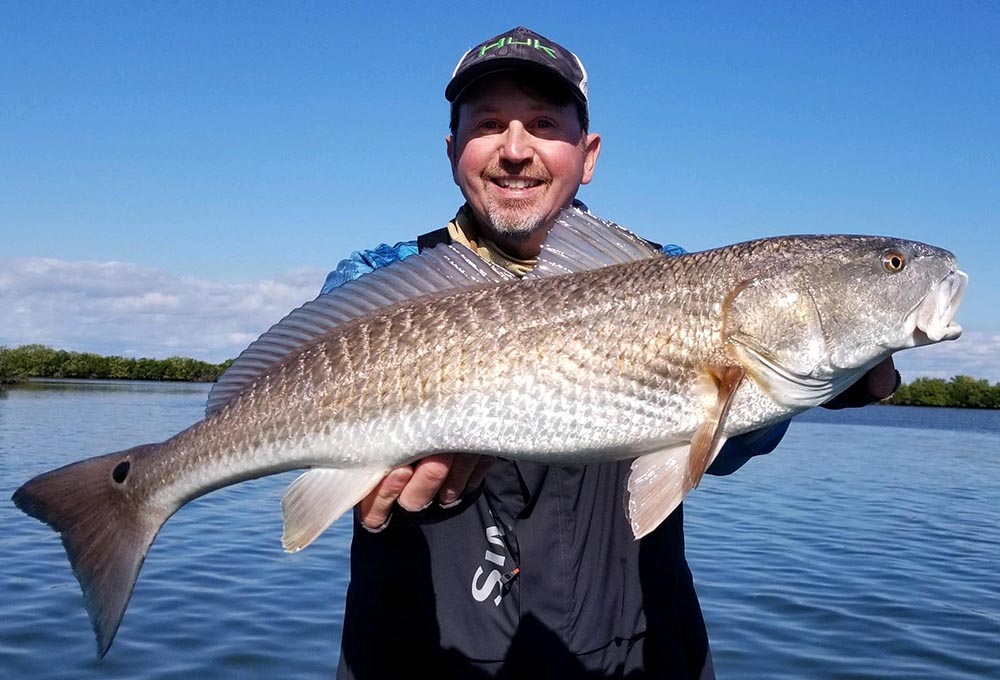
Fly selection represents another crucial component of successful rainbow trout fishing. Ian Gordon, a seasoned fly fisherman, advocates for maintaining a diverse arsenal. "Streamers are always a great option for rainbows," he noted, but emphasized the importance of variety in fly selection.
"Streamers are always a great option for rainbows,"
Effective fly choices span multiple categories, each serving different fishing conditions. Dry flies such as Adams and Elk Hair Caddis work well when fish are actively feeding on the surface. For subsurface fishing, nymphs like Pheasant Tail and Hare's Ear can mimic the aquatic insects that form a significant portion of trout diets. Streamers, including the popular Woolly Bugger and Muddler Minnow, excel at imitating small baitfish and can trigger aggressive strikes from larger trout.
The concept of "matching the hatch" – carrying flies that correspond to local insects – remains an established tactic for attracting bites. This approach requires anglers to observe their environment and select flies that closely resemble the natural food sources available to trout in specific waters.
"matching the hatch"
Proper line and leader selection completes the equipment equation. Floating fly line typically works best for rainbow trout fishing, paired with a tapered leader measuring 9-12 feet in length. "Understanding the intricacies of fly lines can significantly boost your success," Schoenberger noted, emphasizing how proper gear matching affects presentation quality.
"Understanding the intricacies of fly lines can significantly boost your success,"
Technique execution often determines whether proper equipment translates into fishing success. Reading water effectively represents a fundamental skill every rainbow trout angler should master. Christian Anwander, a fishing expert, stressed the importance of identifying slower currents where trout typically congregate.
"Fish often find refuge behind rocks, in undercut banks, and deep pools," Anwander shared. These environments provide both shelter and consistent food sources, making them prime locations for patient anglers.
"Fish often find refuge behind rocks, in undercut banks, and deep pools,"
Casting techniques must adapt to prevailing conditions and fish behavior. When trout are actively rising to feed on surface insects, dry fly presentations using floating line can prove highly effective. "The ideal setup for dry flies is a floating line that presents the fly correctly," Schoenberger explained, noting how proper presentation draws strikes from actively feeding fish.
"The ideal setup for dry flies is a floating line that presents the fly correctly,"
Race Results
When surface activity remains minimal, subsurface approaches using nymphs or streamers often produce better results. Nymphs can effectively mimic insects near the riverbed or those emerging toward the surface, while streamers excel at imitating small baitfish that trigger predatory responses from larger trout.
The combination of proper equipment, technique, and water-reading skills creates a foundation for rainbow trout fishing success that continues to attract new generations of anglers to this challenging and rewarding pursuit.