The waters surrounding the United Kingdom are providing anglers with increasingly exciting opportunities for saltwater lure fishing, with experts highlighting the remarkable diversity of species that can be caught using artificial lures along British coastlines.
Lyle Swan, author of a comprehensive guide on UK lure fishing, emphasizes the breadth of possibilities available to anglers. "It's amazing what fish will take lures in the UK," Swan commented, noting that the variety of catches makes it a rewarding experience for fishermen across all skill levels.
"It's amazing what fish will take lures in the UK,"

Leading the charge among popular targets is the Atlantic mackerel (Scomber Scombrus), a species that has captured the attention of lure fishing enthusiasts for its striking appearance and energetic fighting characteristics. These fish demonstrate remarkable adaptability, inhabiting environments ranging from rocky headlands to river estuaries throughout UK waters.

"Mackerel can be found at many different types of marks, and when they're in, they're in!" Swan explained, highlighting their widespread availability and the excitement they generate when located in feeding areas.
For anglers targeting mackerel, Swan recommends using flashy metal lures that match the casting weight capabilities of their equipment. The approach varies depending on tackle selection, with heavier beach casting rods accommodating feathers and weighted lures, though Swan advocates for lighter lure rods for enhanced enjoyment. "If you have a heavy beach casting rod then equip some feathers and a lead or lure at the end, but it's a lot more fun on a lighter lure rod!" he advised.
Two primary techniques prove effective for mackerel fishing. The "sink and draw" method involves casting the lure, allowing it to sink, then retrieving it with smooth, controlled movements. Alternatively, the "straight retrieve" maintains consistent tension throughout the retrieval process. Swan emphasizes the importance of varying depths: "Before reeling as the lure lands, let it sink to different depths to search the water."
"sink and draw"
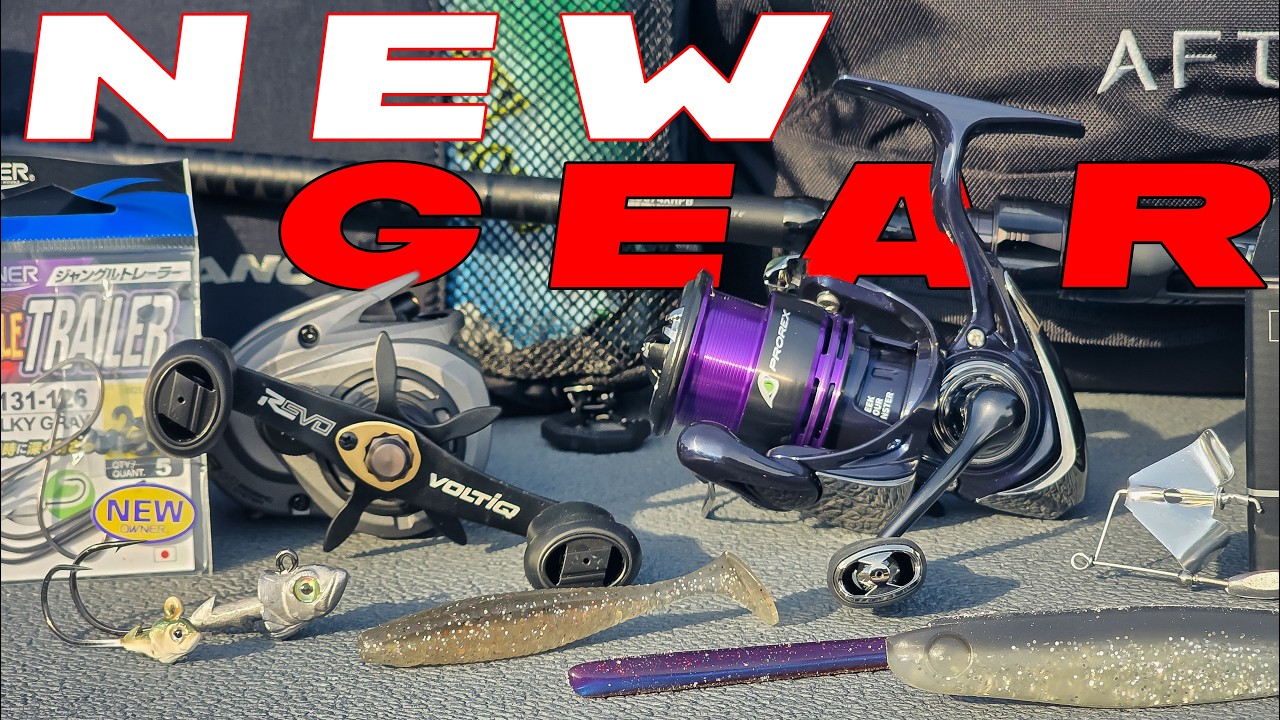
Tackle selection plays a crucial role in success rates. Swan specifically recommends the Majorcraft Jigpara lure, describing it as "the professionals' choice." He stresses matching lure weight to both rod specifications and intended fishing depth, explaining, "Get the weight rated for your rod and depth you plan to fish. The heavier the lure, the deeper it can go."
" He stresses matching lure weight to both rod specifications and intended fishing depth, explaining, "
Championship Implications
For rod selection, Swan points to models like the HTO Lure Game HLG27M and the Westin W3 Spinning Rod as examples of equipment offering both versatility and reliability. "A great rod can make a significant difference in your fishing experience," he noted.
"A great rod can make a significant difference in your fishing experience,"
Beyond mackerel, UK waters support numerous other species that respond well to lure fishing techniques. Pollock (Pollachius virens) ranks among the most sought-after targets, particularly in rocky areas where they respond enthusiastically to vibration lures. Their aggressive striking behavior makes them an engaging challenge for anglers seeking active fishing experiences.
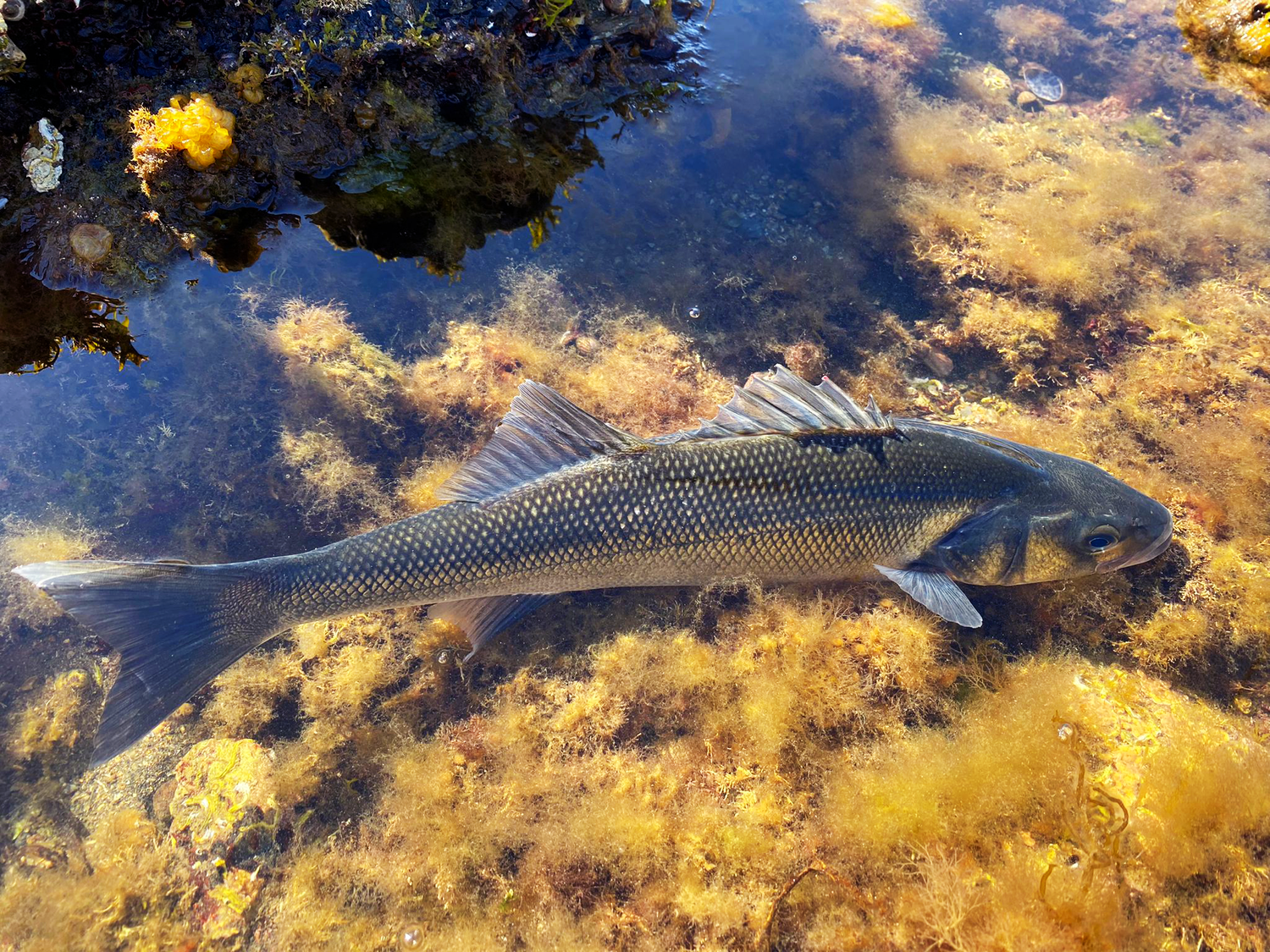
Bass (Dicentrarchus labrax) represent another prime target, known for their impressive strength and determined fighting ability. These fish typically concentrate near structures such as jetties and piers, where live baits or soft plastic lures prove most effective. Their preference for structured environments makes them predictable targets for knowledgeable anglers.
Race Results
Flatfish enthusiasts find success targeting plaice (Pleuronectes platessa), which inhabit sandy bottom areas throughout UK coastal waters. These fish require different techniques, with running ledger rigs often producing the most consistent results when properly deployed over suitable terrain.
Wrasse (Labrus spp.) add color and excitement to UK lure fishing, with their territorial nature and vibrant appearance making them popular targets. These fish favor rocky seabed environments, requiring robust lures capable of withstanding the challenging terrain they inhabit.
Impact and Legacy
Timing considerations significantly impact fishing success, with Swan recommending dawn and dusk periods when fish activity peaks. "Target them in the summertime; fish when the tide is flowing in or out for your best chance," he advised, emphasizing the importance of tidal movement in triggering feeding behavior.
"Target them in the summertime; fish when the tide is flowing in or out for your best chance,"
Natural indicators often guide successful anglers to productive fishing locations. Swan particularly advocates observing bird activity as a reliable method for locating fish concentrations. "They are the best fishfinders, fish where the birds are working!" he asserted, noting that seabirds often reveal underwater feeding activity invisible to surface observers.
The growing popularity of saltwater lure fishing in UK waters reflects both the accessibility of techniques and the diversity of available species. Unlike traditional bait fishing methods, lure fishing allows anglers to cover more water efficiently while targeting specific species through lure selection and presentation techniques.
With proper equipment selection, technique mastery, and understanding of optimal conditions, anglers can maximize their success along Britain's extensive coastline. The combination of diverse species, accessible techniques, and scenic fishing locations continues to attract both newcomers and experienced anglers to this dynamic form of sea fishing.