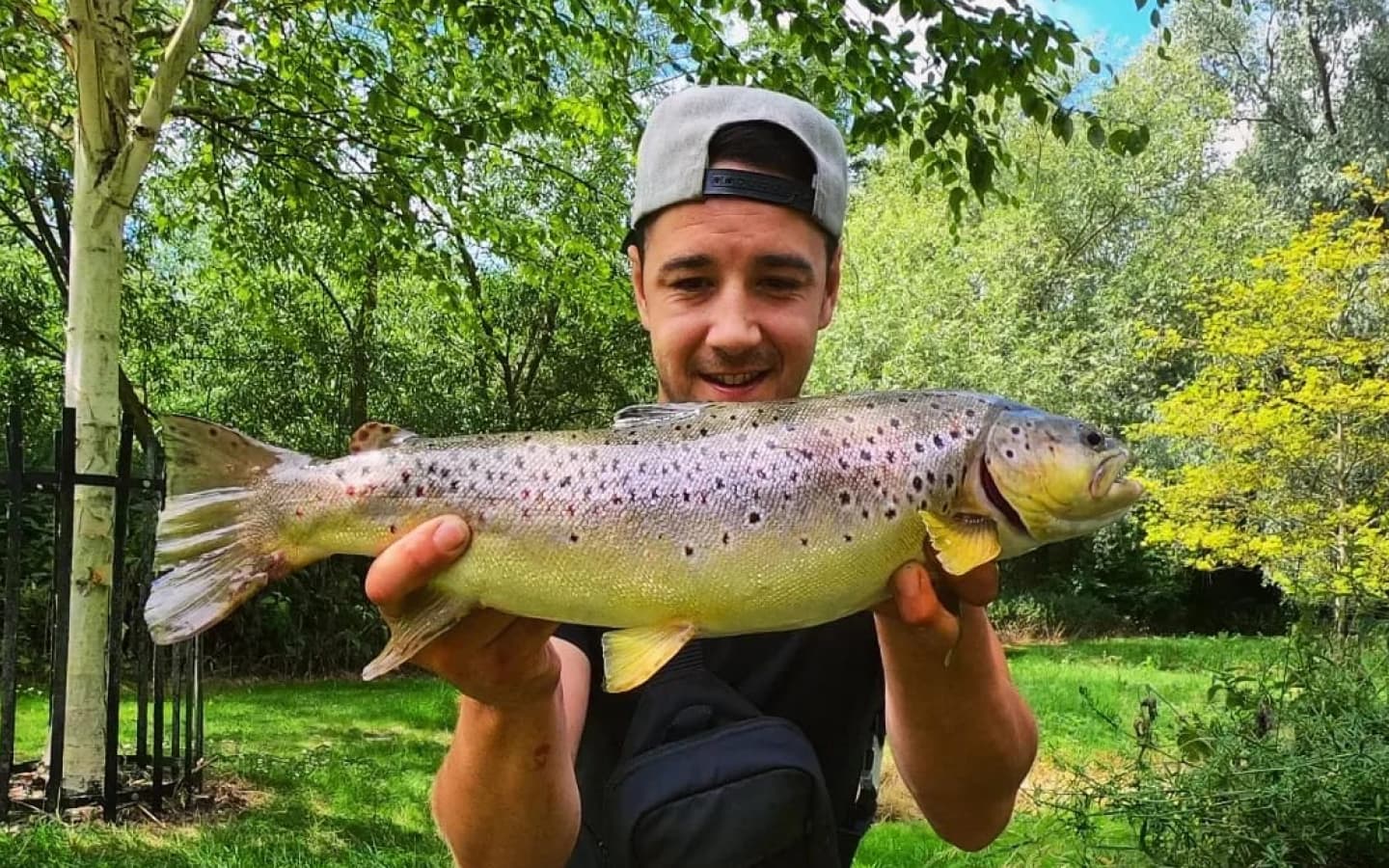
There’s a unique thrill in witnessing a trout rush towards your lure, an experience that ignites the adrenaline for anglers everywhere. Lure fishing for trout features similarities to fly fishing, with both approaches relying on the enticing mimicry of artificial baits. However, instead of the subtlety of fly casting, lure fishing allows fishers to manipulate small lures designed to imitate the movements of injured baitfish or insects. This dynamic method is not only hands-on and exhilarating, but it also requires a less extensive setup compared to traditional fly fishing.
Reflecting on his experience, one avid trout angler remarked on the effectiveness of specific lures: "I’ve been fishing for trout in rivers, streams, and reservoirs for years, and I’ve tried a fair amount of lures. Some are decent, some are useless, and then there are the absolute weapons—the ones that catch fish over and over." Among these high-performing lures is the Majorcraft Finetail Eden, available in two variations: the H (heavy sinking) and S (slow sinking). The angler noted, "The unique flat shape allows you to enjoy various actions, such as sharp flapping and slow short darts," emphasizing the lure’s versatility across different fishing environments.
"The unique flat shape allows you to enjoy various actions, such as sharp flapping and slow short darts,"

When considering which lures to utilize for trout fishing, several essential factors come into play. The optimal lure size typically ranges from 3 to 7 centimeters, as trout generally prefer smaller prey. "In lakes, you might get away with a slightly bigger lure if the trout are feeding on larger baitfish," the angler pointed out. Furthermore, the sink rate of the lure is crucial, dictating how deep it will run in the water. For instance, the Finetail Eden H excels in deeper waters and faster currents, while the S version proves effective in shallow and slow areas.
"In lakes, you might get away with a slightly bigger lure if the trout are feeding on larger baitfish,"

The action and movement of the lure is another key consideration for trout anglers. "A lure that wobbles or darts like a real fish in trouble is gold," said the experienced fisherman. The Finetail Eden's erratic wobble often entices curious trout, with natural patterns such as silver, brown, or gold preferred in clear water, whereas brighter colors like pink or orange can be more successful in murky conditions. For effective catch-and-release fishing, he recommends opting for a single barbless hook over the typical treble hooks seen in many trout lures for easier unhooking.
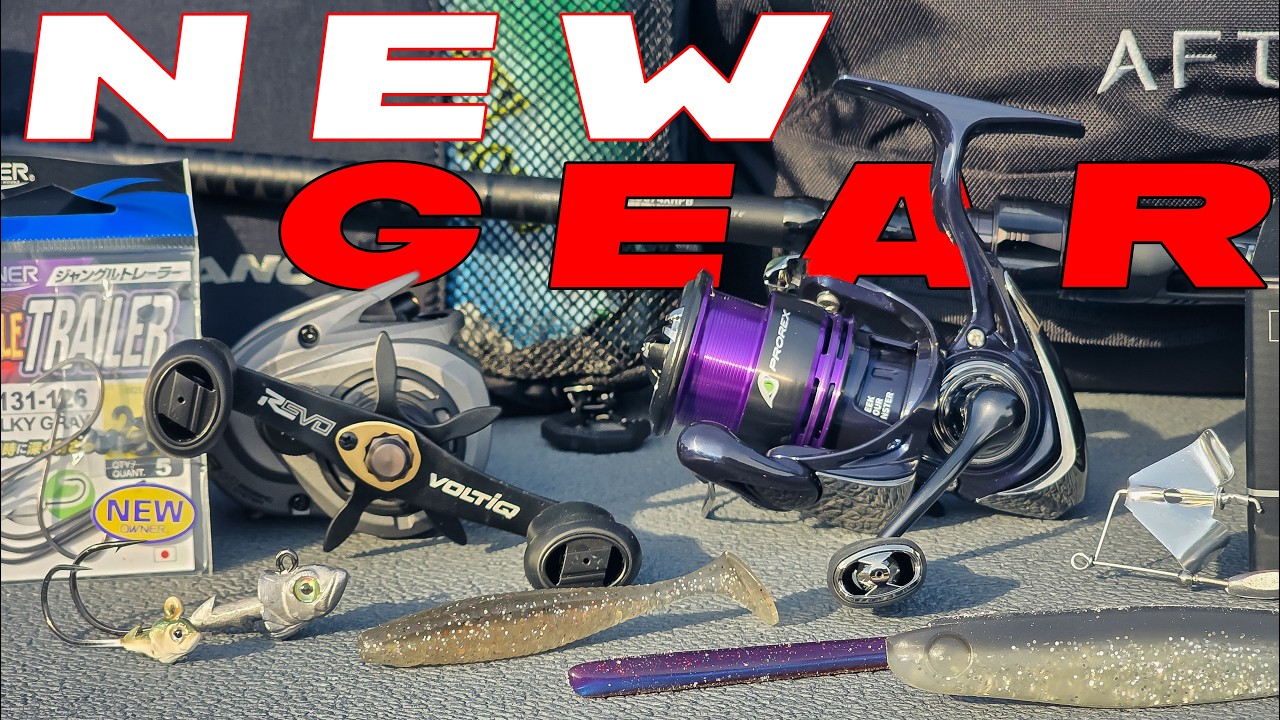
"A lure that wobbles or darts like a real fish in trouble is gold,"
When it comes to technique, each fishing environment presents its own set of strategies. In rivers and streams, a common approach involves casting upstream and allowing the lure to drift with the current before retrieving it. "Target undercut banks, deeper pools, and anywhere with structure like fallen trees or boulders," advised the angler. He encouraged diversity in retrieving techniques; varying between fast, aggressive retrieves or slow, steady movements can lead to success based on the feeding habits of the fish.
"Target undercut banks, deeper pools, and anywhere with structure like fallen trees or boulders,"
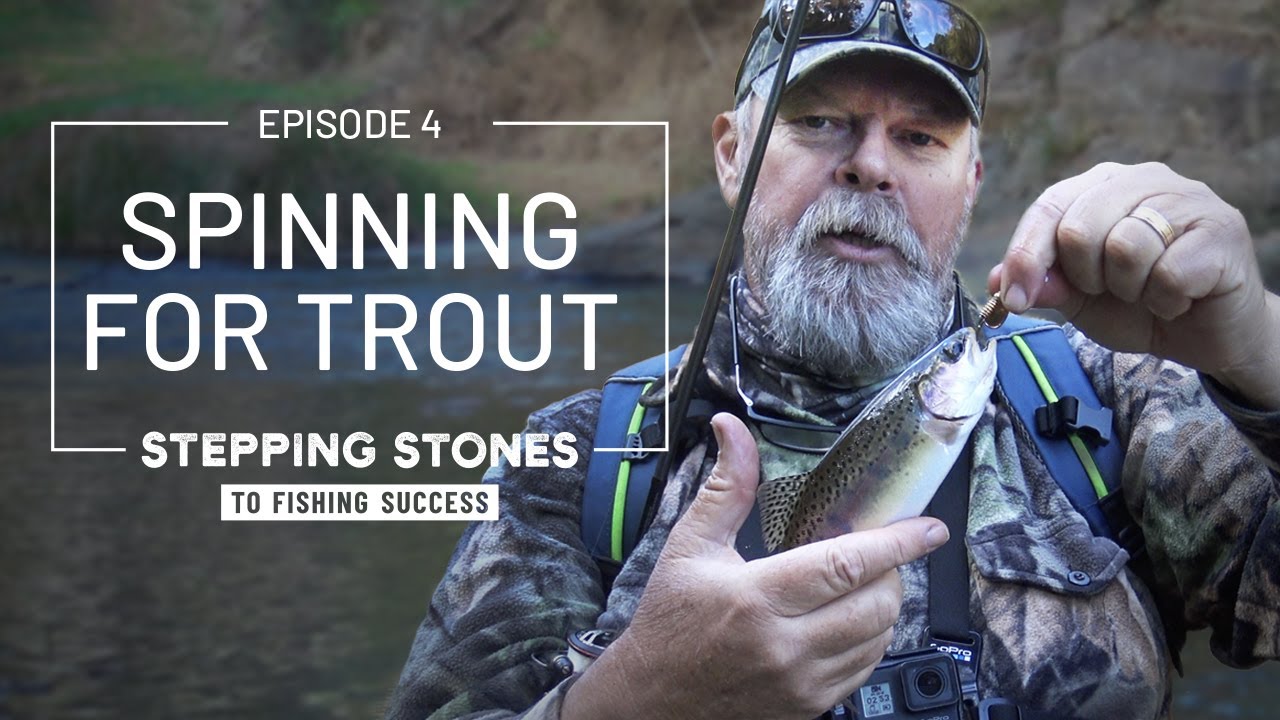
In still waters or reservoirs, deploying a stop-start retrieve can simulate a struggling fish, inviting bites. "Let your lure sink before retrieving to explore different depths, as trout often hold deeper in the summer months." For rising fish, casting past them and working back through the area can increase the chances of a strike.
Fishing in fast water calls for swift action, making the H version of the Finetail Eden ideal for quickly reaching the strike zone. “Cast slightly upstream and let the current swing the lure into prime feeding areas,” he suggested, highlighting the need for a quick retrieve to draw attention from aggressive trout. When targeting shallow runs and slow pools, the S version excels, particularly when worked slowly with gentle movements to mimic an injured baitfish.
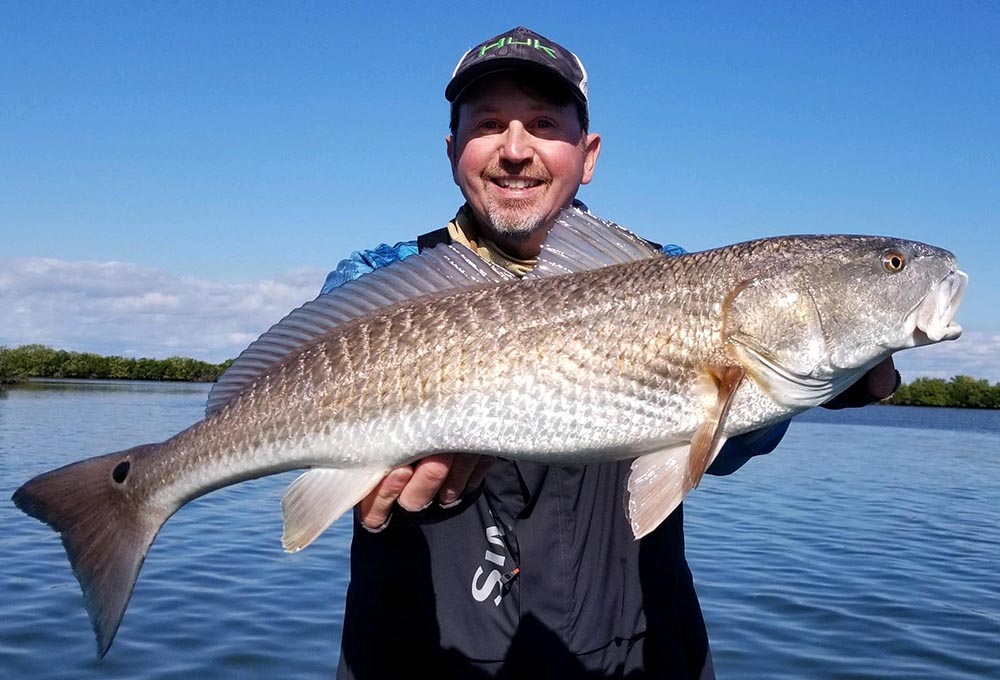
To effectively trigger strikes, maintaining a steady retrieve while trout are actively feeding remains essential. "A twitch-and-pause technique can impart a darting action that often prompts reaction strikes," he noted, especially during calm conditions. Employing a burn-and-kill method—fast retrieves followed by sudden pauses—mimics fleeing prey, which can be particularly effective in rivers with aggressive trout populations. On those days where fish seem disinterested, a slow, deliberate retrieve can sometimes work wonders, providing the subtlety necessary to entice reluctant trout.
"A twitch-and-pause technique can impart a darting action that often prompts reaction strikes,"
Career Journey
Fishing conditions vastly influence trout lure performance. Generally, clearer waters favor natural-looking lures and subtle movements, while overcast days tend to encourage more aggressive feeding behaviors among trout. Anglers will often find that early mornings and late evenings are particularly fruitful, as that’s when trout are most actively on the hunt.