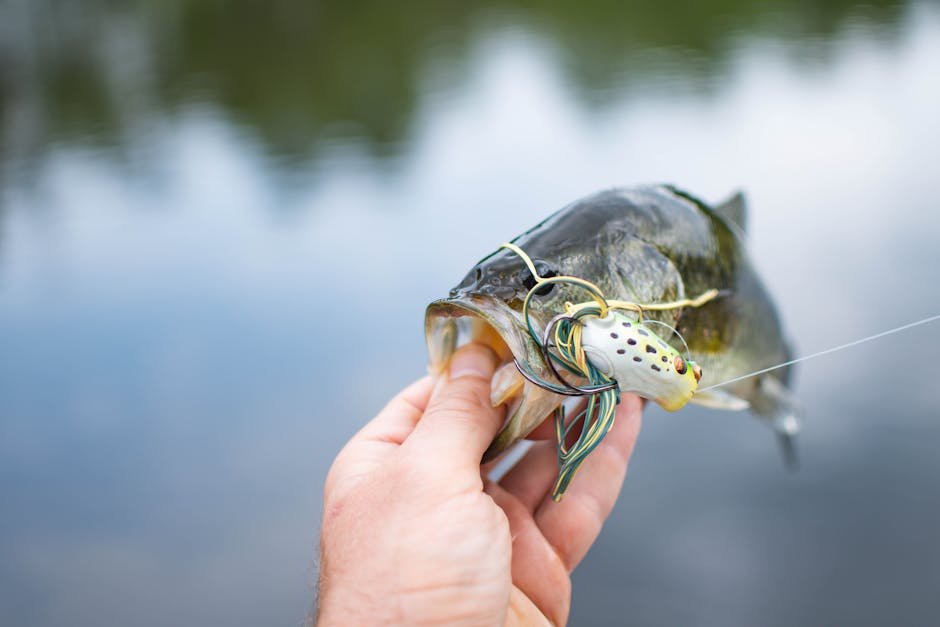
As autumn settles across lakes and waterways, bass anglers are witnessing one of nature's most productive fishing phenomena. The seasonal transition creates ideal conditions that transform typically cautious bass into aggressive feeders, offering some of the year's most rewarding fishing experiences.
The key driver behind this autumn fishing bonanza lies in the natural process known as lake turnover, where layers of water at different temperatures begin to mix. This seasonal shift, combined with dropping water temperatures, triggers what fishing expert Jake Wilson describes as "hyper-feeding behavior" among bass populations.
"hyper-feeding behavior"


"Fall bass fishing is one of the best times of year to catch both largemouth and smallmouth bass," Wilson explained. "As the water cools and baitfish populations thrive, bass ramp up their feeding activity."
"Fall bass fishing is one of the best times of year to catch both largemouth and smallmouth bass,"
This increased feeding activity stems from bass instinctively preparing for winter's approach, when their metabolism will slow significantly. During this pre-winter period, bass abandon their typically solitary behavior and form schools, hunting cooperatively in groups. This behavioral shift often leads to multiple catches in targeted areas, creating exciting fishing scenarios where anglers can experience rapid-fire action.
The transformation extends beyond simple feeding patterns. As Wilson notes, bass can be found at virtually any depth during fall, making the season particularly dynamic for anglers willing to adapt their strategies. "Find the food, find the fish," has become a guiding principle that reflects bass's heightened focus on feeding opportunities during this critical seasonal transition.
"Find the food, find the fish,"
**Strategic Lure Selection Makes the Difference**
Success during fall fishing heavily depends on matching lures to the specific conditions and available forage. The decision-making process involves multiple variables, including bait type, water clarity, temperature, and depth – each playing a crucial role in determining the most effective approach.
"Understanding the bass's diet can lead to better lure selection," Wilson noted, emphasizing the importance of observing local feeding patterns before making lure choices.
"Understanding the bass's diet can lead to better lure selection,"
Local angler Sarah Lopez offers practical guidance for matching lures to bass behavior: "If they're schooled up over deep water and busting shad, use a topwater that resembles a wounded minnow." For bass feeding in shallow reed beds, Lopez recommends soft-bodied topwater lures that mimic migrating frogs, while deeper waters call for jigs and crankbaits.
This strategic approach requires anglers to read the water and adapt quickly. The most successful fall fishing often involves starting with natural colors that mimic local forage, then making adjustments based on bass response and changing conditions throughout the day.
**Water Conditions Shape Fishing Success**
Impact and Legacy
Impact and Legacy
Impact and Legacy
Water clarity significantly influences lure selection and fishing strategies. Experienced fisherman Tom Davis explains the regional variations that anglers must consider: "Largemouth bass can thrive in various water conditions, but smallmouth bass often prefer clearer waters."
Impact and Legacy
Impact and Legacy
These preferences directly impact lure color selection, where the traditional wisdom of "bright colors on bright days, dark colors on dark days" frequently proves accurate. In stained or muddy waters, darker lures create more noticeable silhouettes, often effectively imitating natural prey like bullheads or salamanders.
"Experimentation is key; start with what's natural, then adapt," Davis advised, reflecting the trial-and-error approach that often separates successful fall anglers from those who struggle to find consistent action.
"Experimentation is key; start with what's natural, then adapt,"
Water temperature adds another critical dimension to fall fishing strategy. While bass generally prefer water temperatures in the 60s and 70s, species differences create distinct opportunities. "While largemouth bass can be caught in all temperature ranges, they prefer warmer waters," Lopez explained. Smallmouth bass, conversely, remain active in cooler conditions, with their ideal feeding range between 65 and 75 degrees.
"While largemouth bass can be caught in all temperature ranges, they prefer warmer waters,"
**Technology Enhances Fall Fishing Success**
Championship Implications
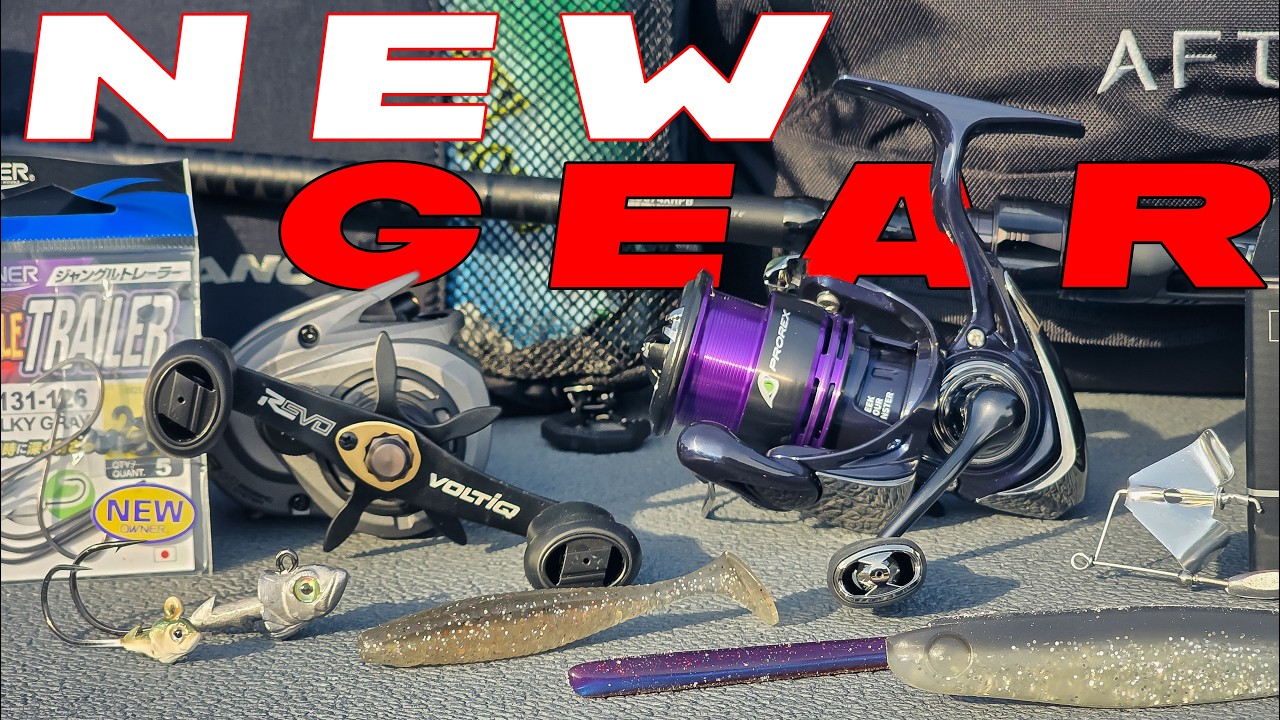
Modern technology has revolutionized how anglers approach fall bass fishing. Fish finders and mapping applications like the onX Fish App help locate underwater structures, drop-offs, and points that concentrate bass during their autumn feeding patterns.
"Fishing can be productive anywhere from shallow pads to deeper depths during autumn," Wilson remarked, highlighting how fall conditions create opportunities across the entire water column.
"Fishing can be productive anywhere from shallow pads to deeper depths during autumn,"
As autumn progresses and water temperatures stabilize, many bass return to shallower areas, creating diverse fishing opportunities. Docks, boat platforms, and weed beds become prime locations during this transition period. The stabilization of water conditions across different depths means anglers can successfully target both shallow and deep spots during a single fishing trip.
This versatility makes fall fishing particularly appealing for anglers who enjoy varying their techniques and exploring different areas of their favorite waters. The combination of aggressive fish, diverse depth options, and the natural beauty of autumn creates an angling experience that many consider the pinnacle of the bass fishing season.
For anglers looking to maximize their success this fall, the key lies in understanding these seasonal patterns and remaining flexible in their approach, always ready to adapt to the changing conditions that make autumn bass fishing so rewarding.