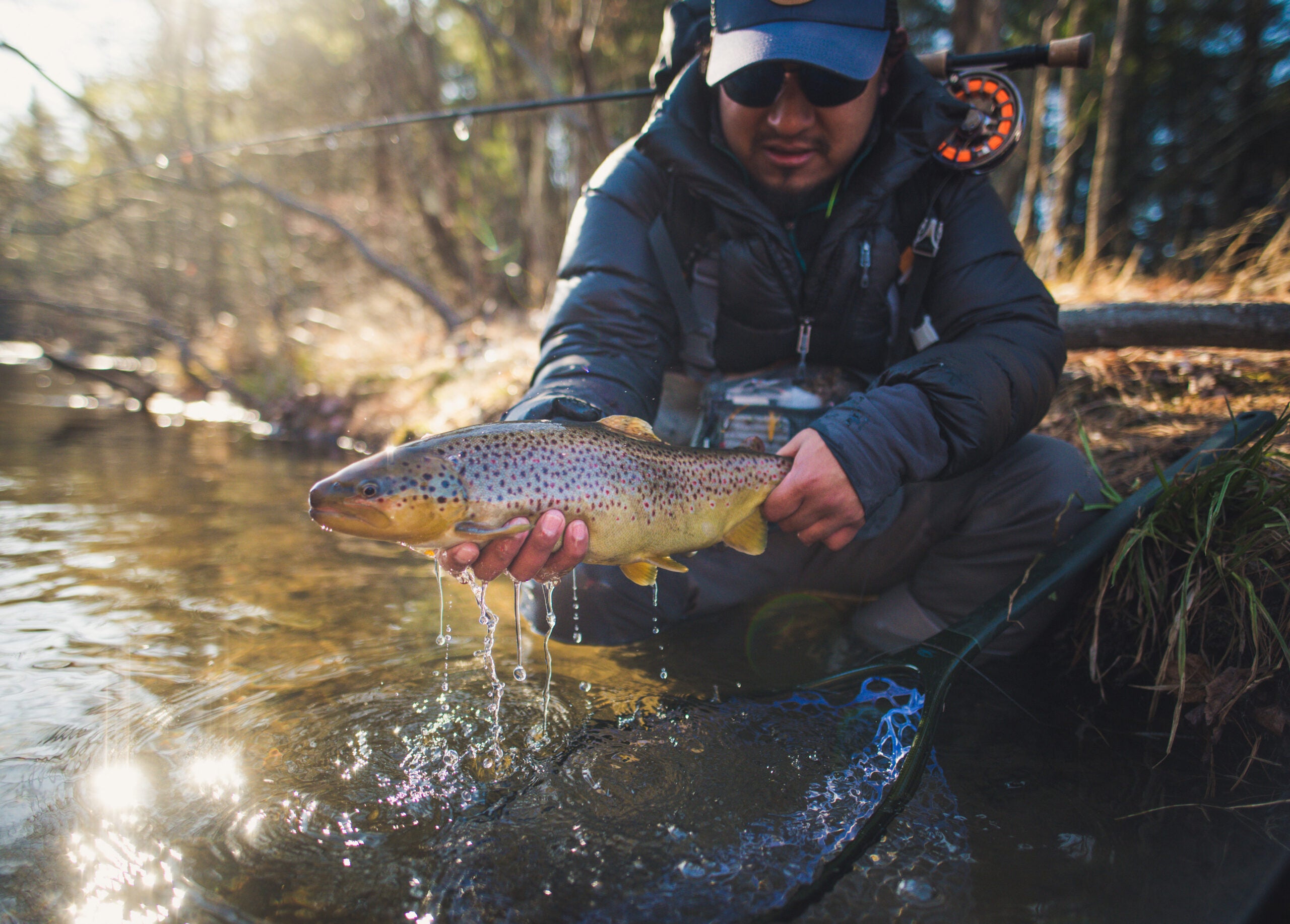
The fall season ushers in a unique opportunity for fly-fishers eager to catch sizable trout, especially as the weather cools. However, as the days dwindle before winter sets in, anglers must be strategic about their approaches. "How many weekends do we have before the snow flies?" asks seasoned fly-fishermen, reflecting on the fleeting nature of the season. With nature's unpredictability, the challenge is to adapt to varying climate conditions while maximizing time on the water.
Fall can bring a rollercoaster of weather—from unexpected warm spells to chilly fronts. "It will probably be windy. Autumn’s flies may or may not hatch," said a veteran angler, underscoring the necessity for preparation. To ensure a successful outing, anglers should equip themselves with the right gear, whether it be for low or high water scenarios, and adapt based on the conditions they encounter.
In regions where summer leaves rivers warm and low, tackling spooky trout requires finesse. "Long leaders, tapered to as fine as you dare—6X or even smaller... and small dry or emerger-style patterns are usually in order," shared a local guide. Notably, blue-winged olives emerge as the predominant mayfly in cooler months. Using slim-bodied flies like parachutes or Compara-duns amplifies your chances, particularly by casting upstream or downstream with natural slack to encourage proper drift.


But not all insects present small profiles; for those angling in the Eastern U.S. or Midwest, Isonychia mayflies still show up in sizes 12 or even 10. Another notable hatch is the caddis flies, often coordinated with October’s festive palette. "The true October caddis is a western hatch, but similar big caddis flies are found... usually in a Halloween-appropriate orange color," explained an expert. While wet flies may prove more effective, using both options can yield success.
To gear up, one should be equipped with floating fly lines, 12-foot leaders, and fluorocarbon tippets. Essential flies include parachutes and RS2 flies in sizes 18 to 22, as well as brown mayflies and chunky orange dries for caddis. Not to be overlooked, autumn’s insect variety often mandates beetle, hopper, and ant patterns when aquatic life is less active. All of these essentials can create favorable outcomes on the water.
Conversely, when storms sweep through or water levels surge, anglers are often met with challenges that require different tactics. "Fall is a great time to fish weighted nymphs or streamers,... where the big trout lie," remarked a fishing guide. Though swollen rivers may seem daunting, trout typically find shelter in pockets of calm water amid the chaos. There are opportunities to catch these fish by adapting to the increased flow and capitalizing on areas of ‘soft water.’
Career Journey
A memorable experience shared by a local angler emphasizes this point clearly: "I found a side pocket not much bigger than a billiards table, stripped an olive Woolly Bugger across it just under the surface, and caught trout after trout." This reinforces the idea that thoroughness—exploring pockets with nymphs and streamers that sink—can yield bountiful results.
Preparing for high water success means using heavy nymphs or streamers on stout leaders while casting upstream to allow the fly to sink appropriately before reaching target areas. Keeping a tight line is crucial to detect strikes in this scenario. By remaining vigilant and adaptive, anglers can navigate the uncertainty of fall weather and find big trout lurking beneath the surface.
The unpredictability of fall provides both a challenge and opportunity for fly-fishers. As the trout assert themselves in the cooler waters, those who equip themselves with the right gear and techniques can expect rewarding days on the stream, embracing the beauty and thrill of this hunting season.