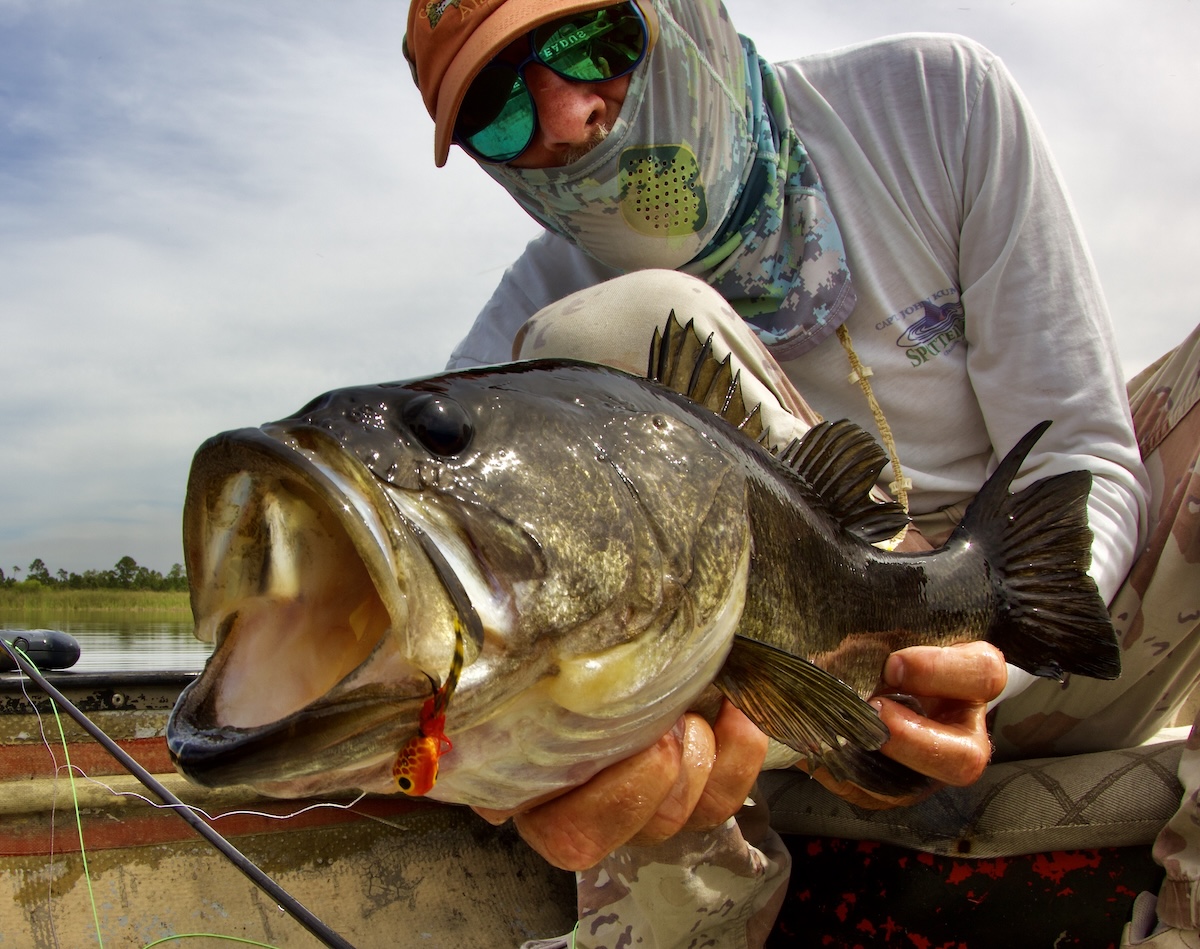
The vibrant waters of Orlando offer an exciting opportunity for anglers looking to catch largemouth bass. Almost every sizable pond and lake in Central Florida is home to this popular species, alongside an eclectic mix of other fish like spotted gar, bowfin, and various sunfish. As John Kumiski, an experienced angler, states, "Some of the most fun and exciting fly fishing in central Florida involves chasing largemouth bass."
When gearing up for a day on the water, proper equipment is essential. Anglers typically opt for a fly rod and reel equipped with a floating line. For instance, Kumiski generally utilizes a nine-foot, four-weight Temple Fork rod, though some of his peers question the choice. "Lots of the fish are small, and you’ve also got all those sunfish species. The little rod makes it more challenging when the big boys hit," Kumiski noted.
Kumiski emphasizes the importance of a substantial leader line, favoring a nine- or ten-foot leader with a ten- or twelve-pound tippet. He elaborates that, "Knotless leaders work well in weedy areas if the tippet is beefy enough."


When it comes to selecting flies, Kumiski's minimalist approach shines through. He advises anglers to have a varied assortment that can effectively cover the water column. "Carry surface flies, slow sinkers, and some that sink like an anvil," said Kumiski. His preference leans heavily towards surface flies, proclaiming, "The strikes! Incredible! I like Gurglers and Gary Krebs foam poppers."
"Carry surface flies, slow sinkers, and some that sink like an anvil,"
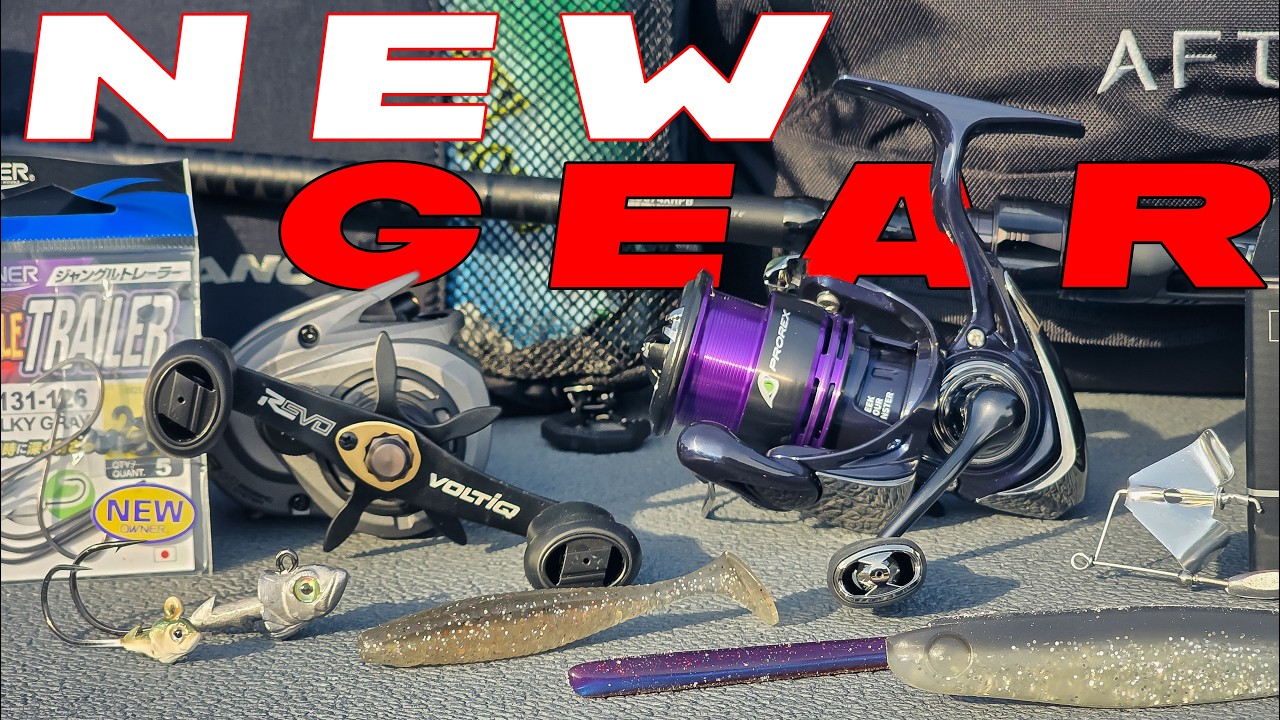
Reflecting on the selection process, he mentions that the specific material of the fly isn't as crucial as its ability to attract bass. "The fish don’t seem to care if the tail is something juicy or just inexpensive wig hair. Simple works!" He recounts using size 4 or 2 stinger hooks to balance the challenge on his preferred smaller rod. For those who are after larger bass, Kumiski humorously advises that a five-pounder will put enough of a fight for any angler to enjoy.

The variety of streamers that Kumiski ties also demonstrates his strategic approach. He maintains that most of his streamers are synthetically made, allowing for easier casting and effective fishing. "They shed water and are easy to cast. The fish eat them. They cover my needs," he explained.
With regards to fishing techniques, the time of day and the type of water are significant factors. Kumiski recounts a June outing where he found success in a shallow, weedy pond, but then experienced a sudden drop in action. "The bite was awesome from sunrise until about 9:30 AM, when it turned off like someone shut the faucet," he remembered. Instead of persisting, he opted for a different location.
"The bite was awesome from sunrise until about 9:30 AM, when it turned off like someone shut the faucet,"
Race Results
Race Results
Race Results
The following day yielded better results, as he took the time to fish a small stream. He reflected, "The bite never slowed. On the contrary, it seemed to get better as the sun climbed to its zenith." This highlights the importance of being adaptable in pursuit of success, especially in the varying conditions presented in Florida.
Kumiski also offered guidance on ideal locations for casting. He noted that a depth of two to three feet is generally effective for surface flies, with fish often requiring a little cover to feel comfortable. Anglers should cast around the shore, targeting any structure that could serve as an ambush point for largemouth bass. By doing so, they will increase their chances of encountering active fish during feeding times.
"Look for concentrations of bait—shiners, shad, bluegills. Look for active fish. Some days the fish are just going crazy," he advised, revealing the key to a successful fishing endeavor.
As conditions fluctuate, knowing when and where to fish becomes essential to having a fruitful outing in Orlando's waters. With proper techniques, equipment, and a little patience, anglers of all levels can find joy in the chase of the prized largemouth bass.