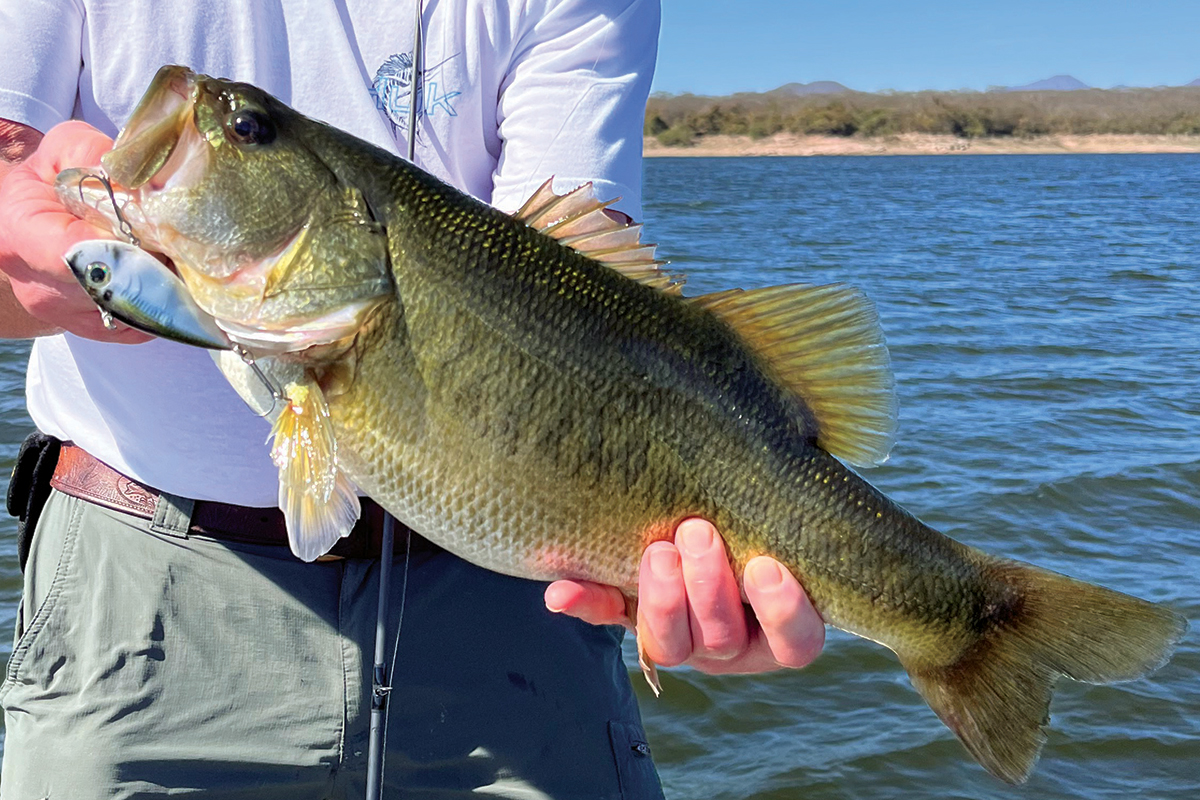
The versatility of lipless lures has made them a staple in the tackle boxes of anglers year-round. Known for their unique wobbling action and ability to imitate various baitfish, these lures have expanded in application beyond just early spring staples. "There seems to be no bad time to fish them," said angler Steve Quinn, noting that many of his best catches occurred during the often-overlooked Postspawn Period.
"There seems to be no bad time to fish them,"
These lures excel in both shallow and deep waters, thanks in part to their vibrations that resonate through the water, attracting bass from afar. "One of their key attributes is what we call 'triggering bites,' generally meaning to elicit strikes from bass that aren’t actively feeding but find the lure’s cues hard to ignore," explained Quinn. This ability to provoke a reaction is crucial, especially during transitional seasons like fall when predators move shallower to feed.

"One of their key attributes is what we call 'triggering bites,' generally meaning to elicit strikes from bass that aren’t actively feeding but find the lure’s cues hard to ignore,"
In addition to their traditional role, lipless lures have evolved to be effective jigging lures and work extraordinarily well in conjunction with techniques suited for shallow vegetation. Anglers have found that some models display a gliding action off to the side when paused, while others shimmy as they descend. This mimicry of injured prey is particularly effective in the fall, when bass are actively seeking out food sources.

Quinn further emphasized the importance of specific retrieval techniques: "The slight pause allows the lure to dip into vegetation, followed by an abrupt pull that frees them from clinging stalks, stirring nearby bass to strike." This erratic movement is reminiscent of bouncing a crankbait through stumps or threading a spinnerbait through the limbs of trees.
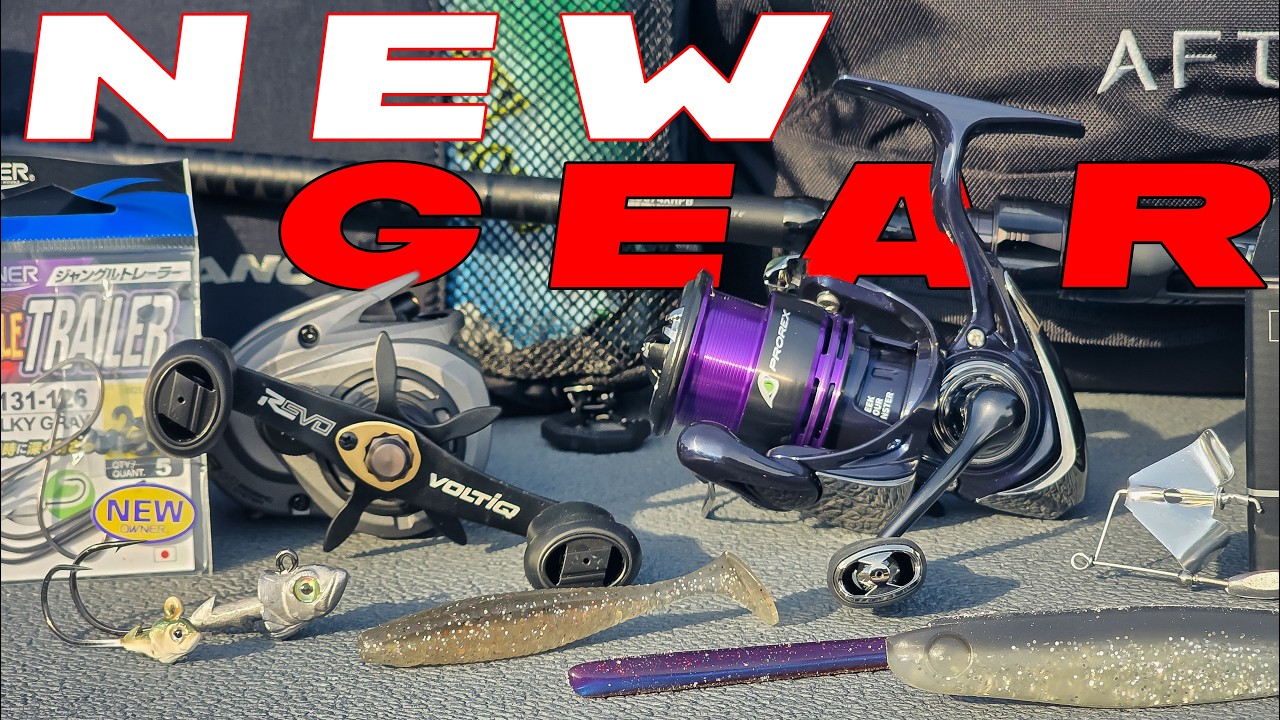
The auditory element of lipless lures also plays a critical role in their effectiveness. Many anglers refer to the prominent calling card of rattlebaits that feature sound-producing components. Historically, these lures were outfitted with small BB shots or bearings that created noise as they moved through the water. Some were so loud they could be heard from over 30 feet away.
However, modern advancements have led designers to explore variations in pitch. "Recent examples include Strike King’s 2-Tap Tungsten Red Eye Shad and Booyah’s One Knocker, which produce lower-pitch sounds that fall within the bass’s hearing range," noted Quinn. This shift reflects a deeper understanding of how sound affects fish behavior, further enhancing the appeal of lipless baits.
"Recent examples include Strike King’s 2-Tap Tungsten Red Eye Shad and Booyah’s One Knocker, which produce lower-pitch sounds that fall within the bass’s hearing range,"
Spring and fall remain exceptional seasons for targeting both striped and smallmouth bass using these versatile lures. As water temperatures fluctuate, bass often move to deeper structures, making the adaptability of lipless lures even more vital. This adaptability allows anglers to present their bait effectively across various environments, ensuring they remain competitive on the water.

Race Results
As fishing technology continues to advance and patterns evolve, the lipless lure will likely retain its status as a multi-season, multi-technique tool for anglers facing classic challenges across different water bodies. The insights provided by experienced fishermen underscore that with the right techniques, lipless lures can consistently deliver successful results throughout the fishing calendar, proving that their timeless appeal is far from waning.