For anglers at every skill level, few moments are as heartbreaking as watching a trophy fish swim away after a poorly tied knot fails at the crucial moment. The fundamental skill of properly securing a lure to fishing line can make the difference between landing the catch of a lifetime and telling yet another story about "the one that got away."
"Imagine you're about to catch the biggest fish of your life, but your knot fails, and it slips away," said Richard, an experienced angler who has witnessed firsthand the importance of proper knotting techniques. This scenario plays out on waters across the country, often due to improper knot selection and tying methods that could have been easily avoided with the right knowledge.
The foundation of successful lure attachment begins with understanding how different fishing lines behave and which knots complement their unique characteristics. Modern anglers have three primary line types to choose from, each presenting distinct challenges and advantages when it comes to knot selection.


Impact and Legacy
Monofilament lines, known for their stretching properties, require knots that can effectively absorb shock when a fish strikes or during the fight that follows. This elasticity, while beneficial for cushioning sudden impacts, demands specific knotting approaches to maintain holding power under varying tension.
Fluorocarbon lines present a different set of considerations entirely. "Fluorocarbon lines are more sensitive and need a knot that can transfer energy smoothly," Richard explains. These lines offer superior invisibility underwater and excellent sensitivity for detecting subtle bites, but their stiffness requires knots that won't compromise the line's ability to transmit information from lure to angler.
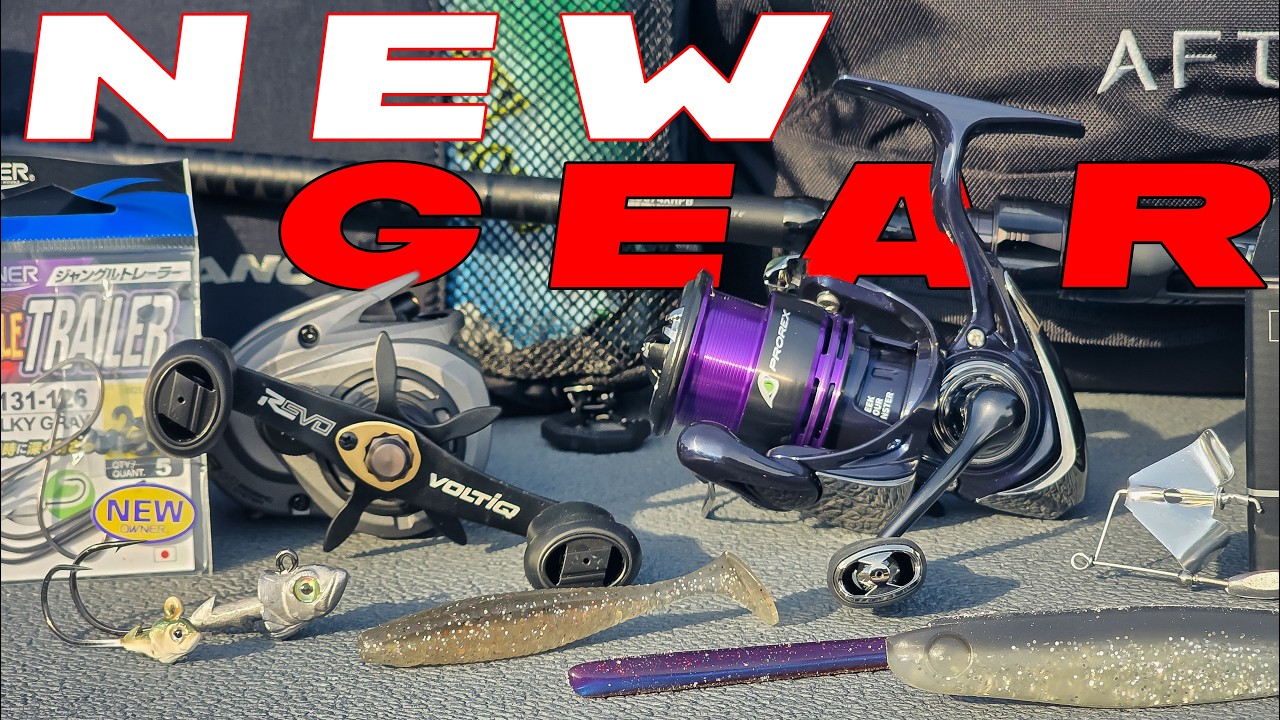
"Fluorocarbon lines are more sensitive and need a knot that can transfer energy smoothly,"
Braided lines, while offering exceptional strength and minimal stretch, can be particularly challenging when it comes to knot tying. Their slick surface and different fiber construction mean that knots that work perfectly with monofilament may slip or fail entirely when used with braided materials.
Impact and Legacy
Selecting the appropriate knot extends beyond simply matching it to your line type. Successful anglers consider their fishing environment, target species, and technique when making these critical decisions. The questions every angler should ask include: Will the fishing take place in open water or around structure-rich areas? Are the target fish known for aggressive strikes or delicate feeding patterns? These factors significantly influence both line choice and the corresponding knot selection.
The physical characteristics of the lure itself play an equally important role in determining the best knot approach. Larger, heavier lures create more resistance as they move through the water and place additional stress on the connection point during casting and retrieval. These situations demand robust knots capable of handling increased loads without compromising the lure's intended action.
Conversely, smaller lures benefit from more delicate knot applications that won't interfere with their subtle movements or damage lighter line weights. "The knot you choose should achieve the desired action of the lure without jeopardizing the line's strength," Richard notes, emphasizing the delicate balance between security and performance.
"The knot you choose should achieve the desired action of the lure without jeopardizing the line's strength,"
Impact and Legacy
Lure action in the water adds another layer of complexity to knot selection. Some fishing situations call for lures that swim naturally with unrestricted movement, while others require lures to maintain specific positions or suspend at particular depths. The connection method directly impacts these behaviors, making knot choice a critical component of lure presentation.
Proper preparation forms the cornerstone of successful knot tying, much like gathering and organizing ingredients before cooking a complex meal. "Cutting excess line may seem like a small task, but it's vital to ensuring a smooth and secure knot," Richard advises. Working with excessively long line sections often leads to tangles and frustrated anglers, while too little working line makes proper knot formation nearly impossible.
"Cutting excess line may seem like a small task, but it's vital to ensuring a smooth and secure knot,"
Experienced anglers recommend maintaining approximately 6-8 inches of working line when tying knots. This length provides adequate material for proper knot formation while avoiding the complications that come with excessive line length. The measurement serves as a practical guideline that works across most knot types and fishing situations.
Securing the lure properly represents a step that many beginning anglers overlook in their eagerness to get their lines in the water. "You need to take the time to properly secure the lure to prevent it from coming loose during casts or while fighting a fish," Richard points out. Additional security measures, such as small swivels or loop-to-loop connections, can provide extra insurance against equipment failure during critical moments.
"You need to take the time to properly secure the lure to prevent it from coming loose during casts or while fighting a fish,"
The actual knot-tying process requires patience, focus, and steady hands. "Tying the knot requires focus, patience, and a gentle touch," Richard emphasizes, highlighting the importance of treating each knot with the attention it deserves. Rushing through this process or applying excessive force often results in weakened connections that fail under pressure.
"Tying the knot requires focus, patience, and a gentle touch,"
Creating the initial loop demands particular care, as this foundation determines the knot's ultimate strength and reliability. Anglers should maintain 6-8 inches of slack while forming this crucial first step, ensuring the loop size matches both the intended lure and fishing application.