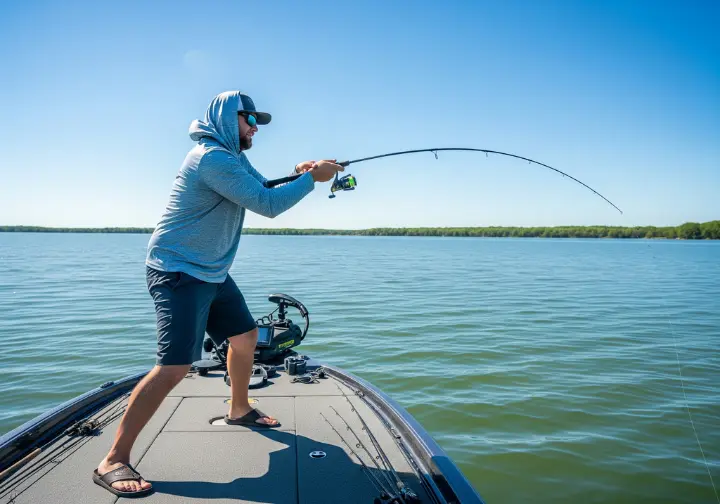
For many anglers, jigging represents one of fishing's most challenging yet rewarding techniques. Far from the simple act of casting a line and waiting, this method demands a deep understanding of underwater dynamics and an almost intuitive connection between angler and fish.
"The electric sensation that travels up your line—not a jarring strike, but a subtle tick, a sudden weightlessness, or a slight sideways drift. This is the secret language of the underwater world," explained an experienced angler, highlighting the sensitivity required for successful jigging.
At its foundation, jigging involves the vertical presentation of a lure designed to mimic the natural movements of baitfish. This vertical action creates what many consider an irresistible illusion for predatory fish, making it a highly effective technique when executed properly.


**Equipment Makes the Difference**
Success in jigging begins with proper equipment selection. According to fishing gear experts, line choice plays a crucial role in technique effectiveness. "The best line for jigging is often a braided line, which provides excellent sensitivity and minimal stretch," recommended one expert.
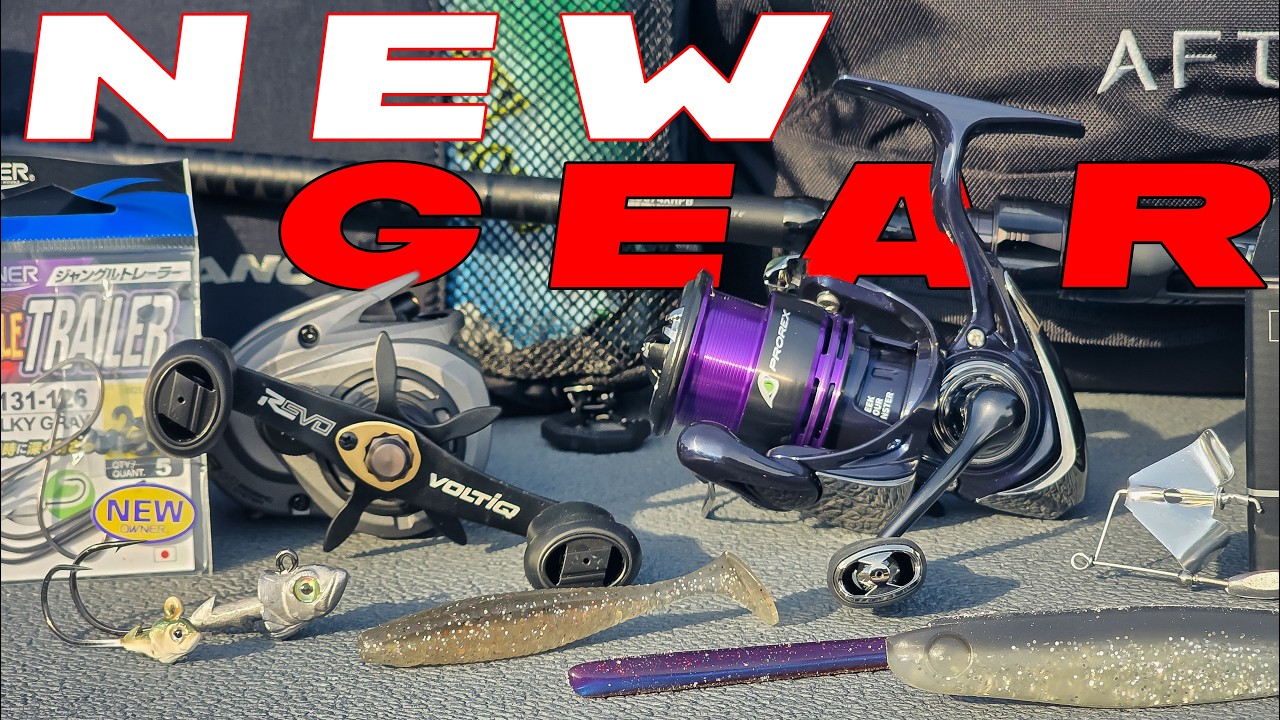
"The best line for jigging is often a braided line, which provides excellent sensitivity and minimal stretch,"

Career Journey
Rod selection proves equally important, with the balance between power and action being critical. Experienced fishermen emphasize the importance of feeling connected to the lure through the rod. "The ideal jigging rod should have enough backbone to set the hook but remain flexible enough to feel the slightest nibble," noted a knowledgeable fisher. This connection becomes essential when learning to identify the often-subtle indicators of a fish's bite.
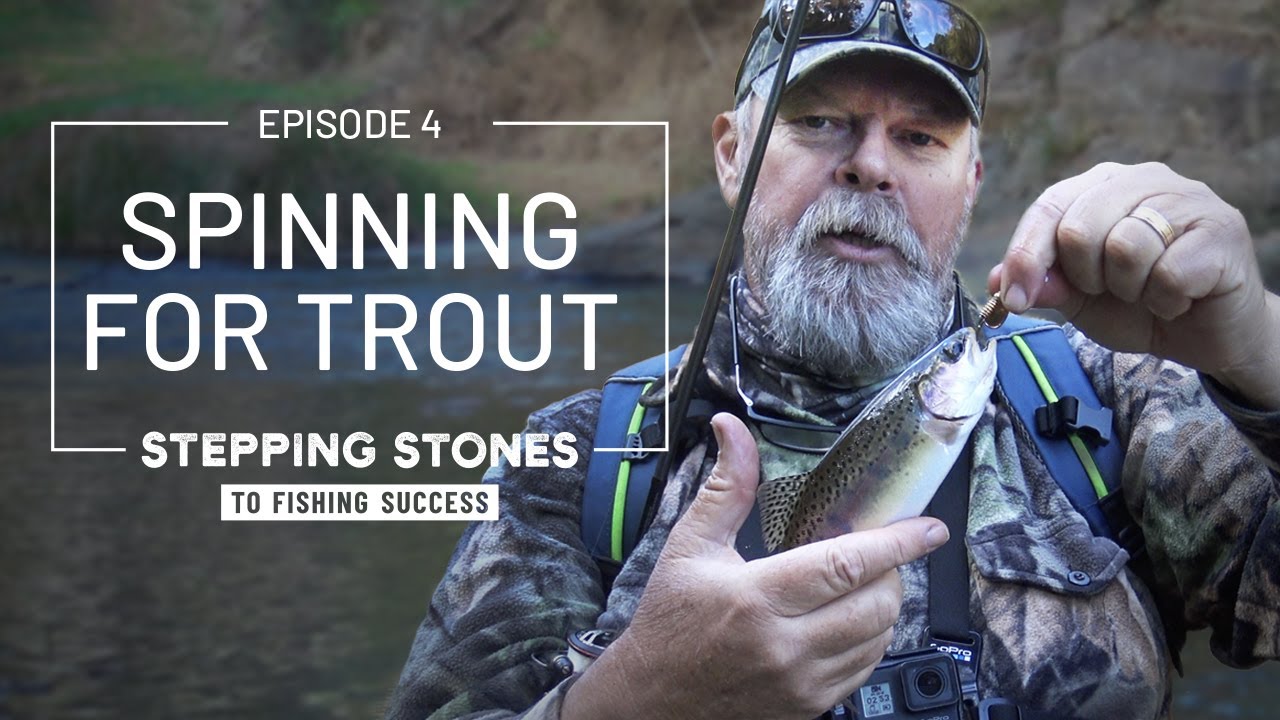
"The ideal jigging rod should have enough backbone to set the hook but remain flexible enough to feel the slightest nibble,"
**Choosing the Right Jigs**
The variety of jigs available can overwhelm newcomers to the technique. Veteran anglers recommend starting with versatile options that can handle diverse fishing conditions. "There are various jigs to choose from, including vertical jigs, bucktail jigs, and soft plastic jigs. For newcomers, I suggest starting with a simple jig that can handle diverse conditions," emphasized a veteran angler.
Experimentation with different styles and colors often proves necessary, as fish preferences vary based on local environments and available prey species. The right jig selection can transform an unsuccessful outing into a memorable fishing experience.
**Perfecting the Technique**
Once properly equipped, anglers must master the fundamental movements that make jigging effective. One of the most essential techniques is the "pop and fall" retrieve. "To perform this, simply lift the rod tip sharply to imitate the fish escaping prey, then allow the jig to fall back," instructed a seasoned fishing guide.
"pop and fall"
This rhythmic motion creates an enticing action that predator fish find difficult to resist. Developing proficiency requires understanding correct timing and movement across various scenarios, including vertical presentations and casting retrieves. The ultimate goal involves developing an instinctual understanding of fish behavior, a skill that develops through dedicated practice and time on the water.
**Reading the Subtle Signs**
One of the most challenging aspects of jigging involves recognizing when a fish has taken the bait. Unlike other fishing methods where strikes may be obvious, jigging often requires interpreting subtle tactile cues transmitted through the line and rod.
"Learning to feel a jig bite is all about patience and practice. You need to allow the fish to take the jig by resisting the urge to set the hook too soon," advised a long-time fisherman. This skill develops through experience as anglers learn to interpret the various sensations that reveal underwater activity.
**Preparing for Success**
For those new to jigging, proper preparation can significantly improve the chances of a successful outing. Experienced guides recommend thorough planning before heading to the water. "Start by scouting local waters known for their jigging opportunities. Prepare your gear the night before and familiarize yourself with the knots to ensure a smooth outing," suggested one experienced guide.
Understanding how to troubleshoot common issues also proves valuable. Knowing how to respond when fish aren't biting or when equipment problems arise forms part of every angler's learning curve.
**Beyond the Catch**
While success in jigging is often measured by the number and size of fish caught, many practitioners find deeper satisfaction in the technique. The method demands a level of focus and sensitivity that creates a unique connection with the aquatic environment.
Career Journey
Career Journey
Career Journey
This connection extends beyond simple fish-catching to encompass a broader understanding of underwater ecosystems and fish behavior patterns. For many anglers, jigging becomes less about the destination and more about the journey of continuous learning and skill development.