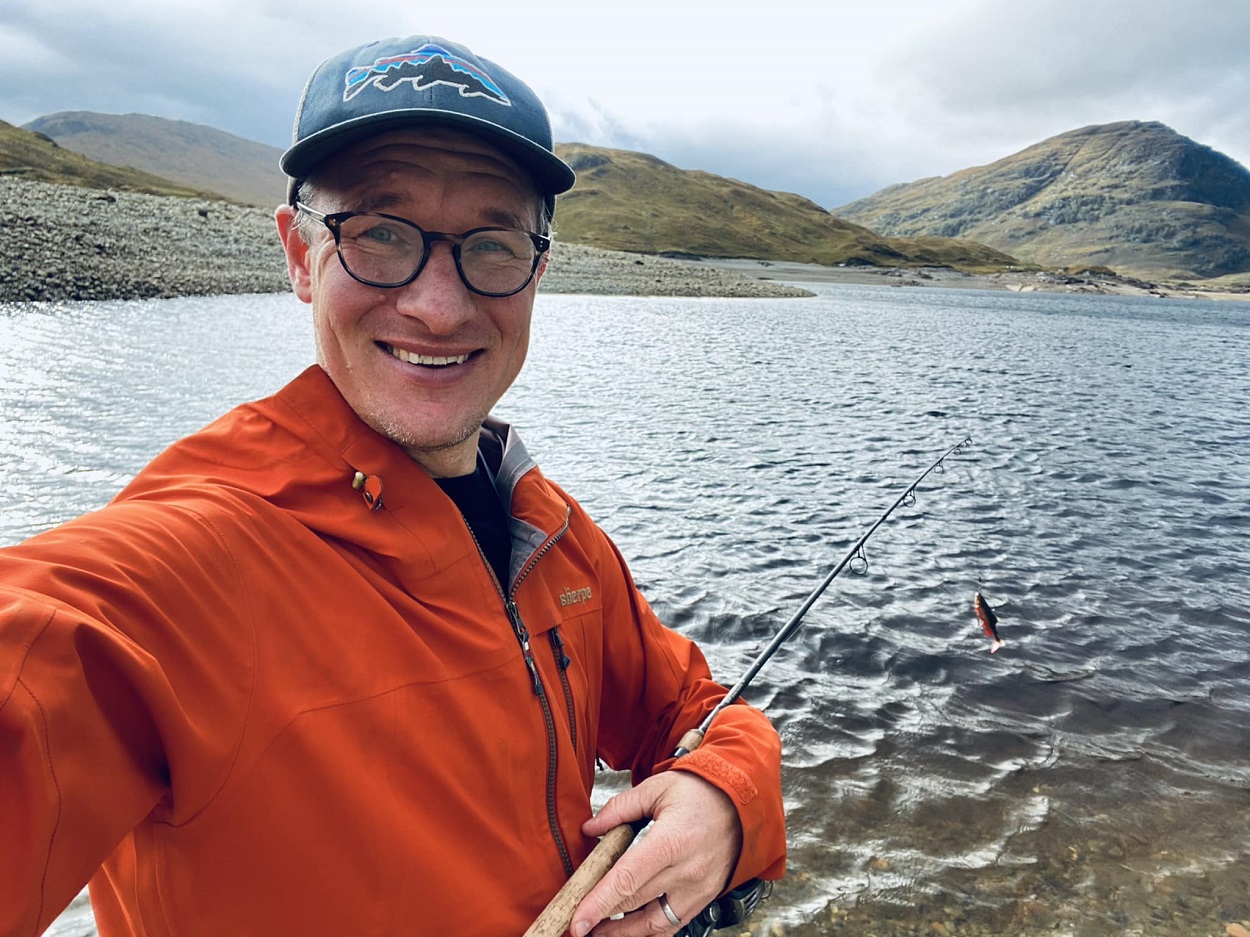
Lure fishing has emerged as an exciting method for anglers of all levels, and beginner anglers can find a wealth of knowledge in expert advice from Will Millard, a renowned writer and BBC TV presenter. According to Millard, "There are few angling methods that can match lure fishing for pure excitement." This dynamic fishing style allows you to engage with the water in a way that traditional techniques, such as float or bottom fishing, do not.
The essence of lure fishing lies in the thrill of reeling in and feeling that heart-stopping moment. As you retrieve your lure, Millard describes the sensation: "When you do get that take, it is likely to be a heart-stopping explosive attack that you feel right down your line and deep into the palms of your hands." This unique approach not only offers immediate gratification but also cultivates a deeper passion for fishing.
For those just starting, the wide variety of equipment can feel overwhelming. Millard emphasizes the importance of not breaking the bank: "Most of the really expensive tackle is designed to catch the angler, and not the fish." His own journey attests to this wisdom, as he proudly admits, "I used my cheap beginner’s rod for over a decade and caught loads."

" His own journey attests to this wisdom, as he proudly admits, "

To embark on your lure fishing adventure, Millard suggests a streamlined approach with two basic outfits: a heavier rod suitable for larger lures directed at fish like pike and bass, and a lighter rod for smaller species like perch and trout. He notes, "A lot of what you choose to take will depend on what water and predatory fishing is locally available to you." It is crucial to adapt your equipment based on the fishing landscape, consulting local tackle shops and angling clubs for tailored recommendations.
When choosing rods, one must consider the type of fish and weight of the lures. The balance is vital, as Millard highlights: "You will be severely limited on the amount of ‘action’ if your rod tip is too stiff; but, if you cast a heavier lure on a lighter rod, you may well be risking snapping off the rod tip completely." He recommends rods within specific casting weights: 15 to 40 grams for heavier lures and up to 15 grams for lighter ones. Different brands can do the job, but he prefers Savage Gear for his setups, hinting that local tackle shops may have great starter kits available.
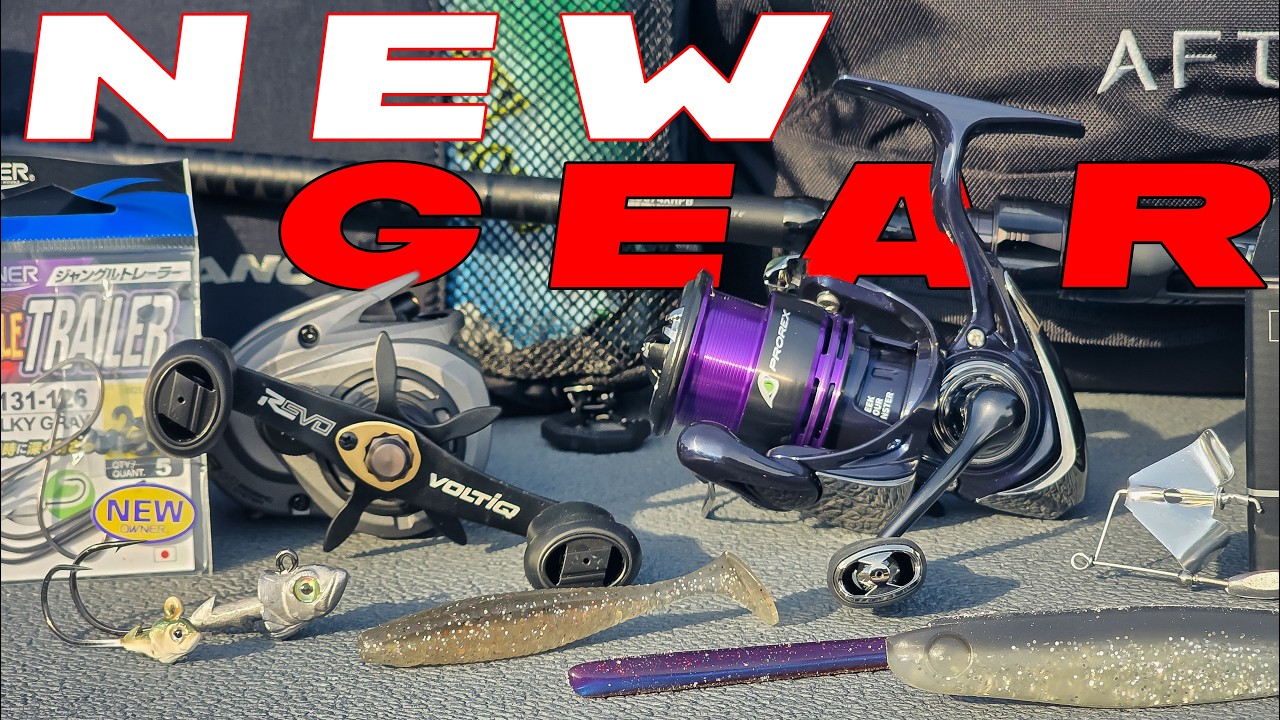
As for reels, the choice should align with your angling style. Millard advises, "It is much better to go for a dedicated spinning reel from a reputable brand." Using a specialized reel will enhance the lure fishing experience.
To further ease into this engaging sport, understanding the environment you are fishing in becomes essential. Millard notes that for smaller waters like canals, anglers might want to focus on lighter setups, while larger bodies of water call for heavier rods providing more casting power. He reflects on his personal approach, stating, "I’ll take both rods out with me to chop and change my tactics as I go along."
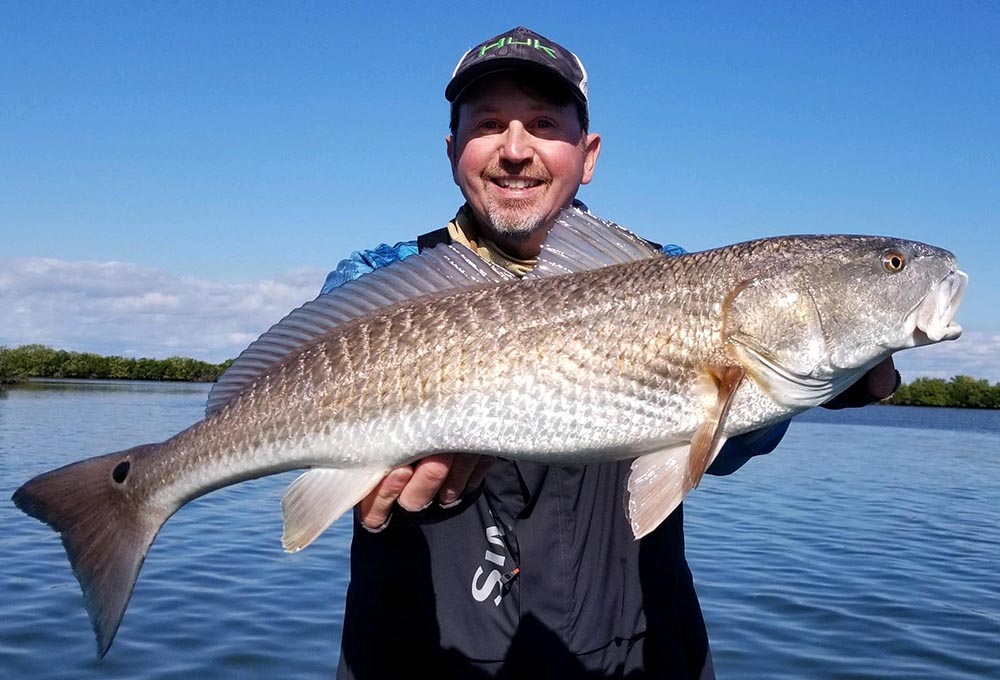
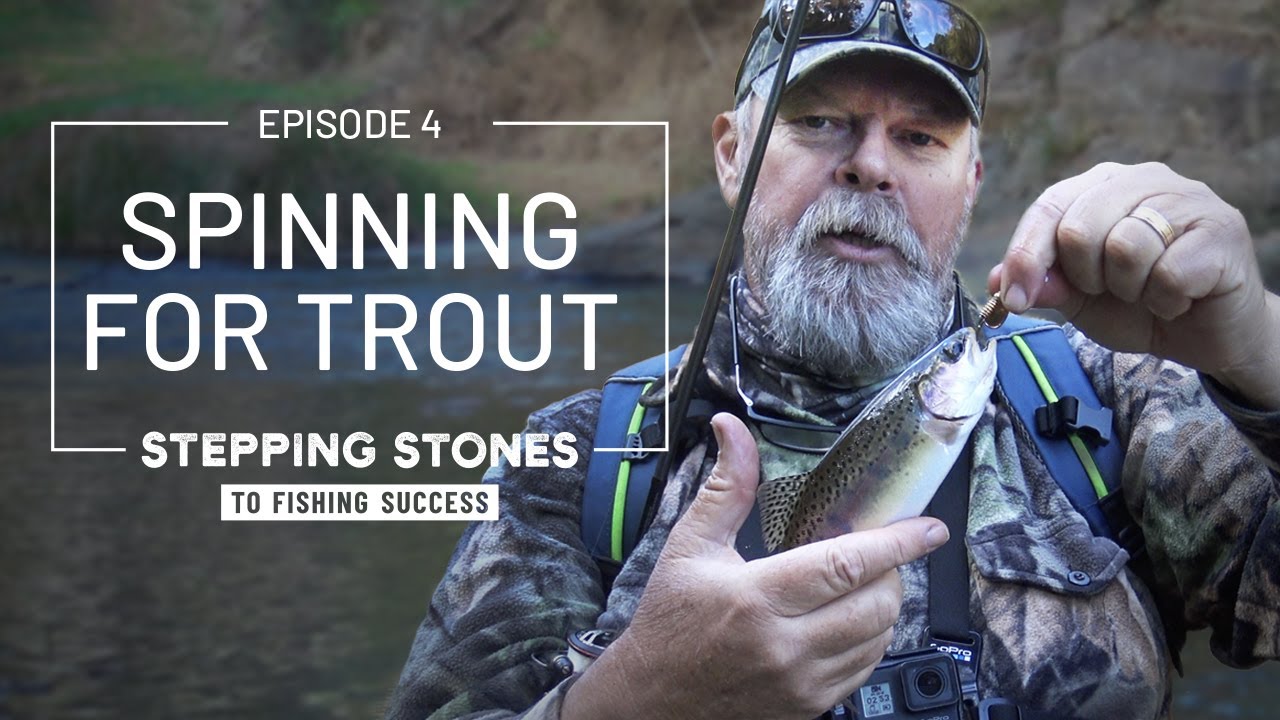
Lure fishing for beginners can feel daunting at first, but as Millard articulates, the thrill of the sport is waiting just beneath the surface. With the right gear and a willingness to explore, any novice angler can delve into this electrifying method of fishing. Understanding the dynamics of local waters and engaging with the community further enhances the experience.
In conclusion, the world of lure fishing offers an endless array of possibilities for both excitement and skill development in Wales. Embracing the advice of seasoned anglers can ignite a lifelong passion for the sport. Whether you are casting for pike in vast lakes or targeting smaller species in a serene canal, the art of lure fishing remains inviting and exhilarating for beginners looking to make a splash.