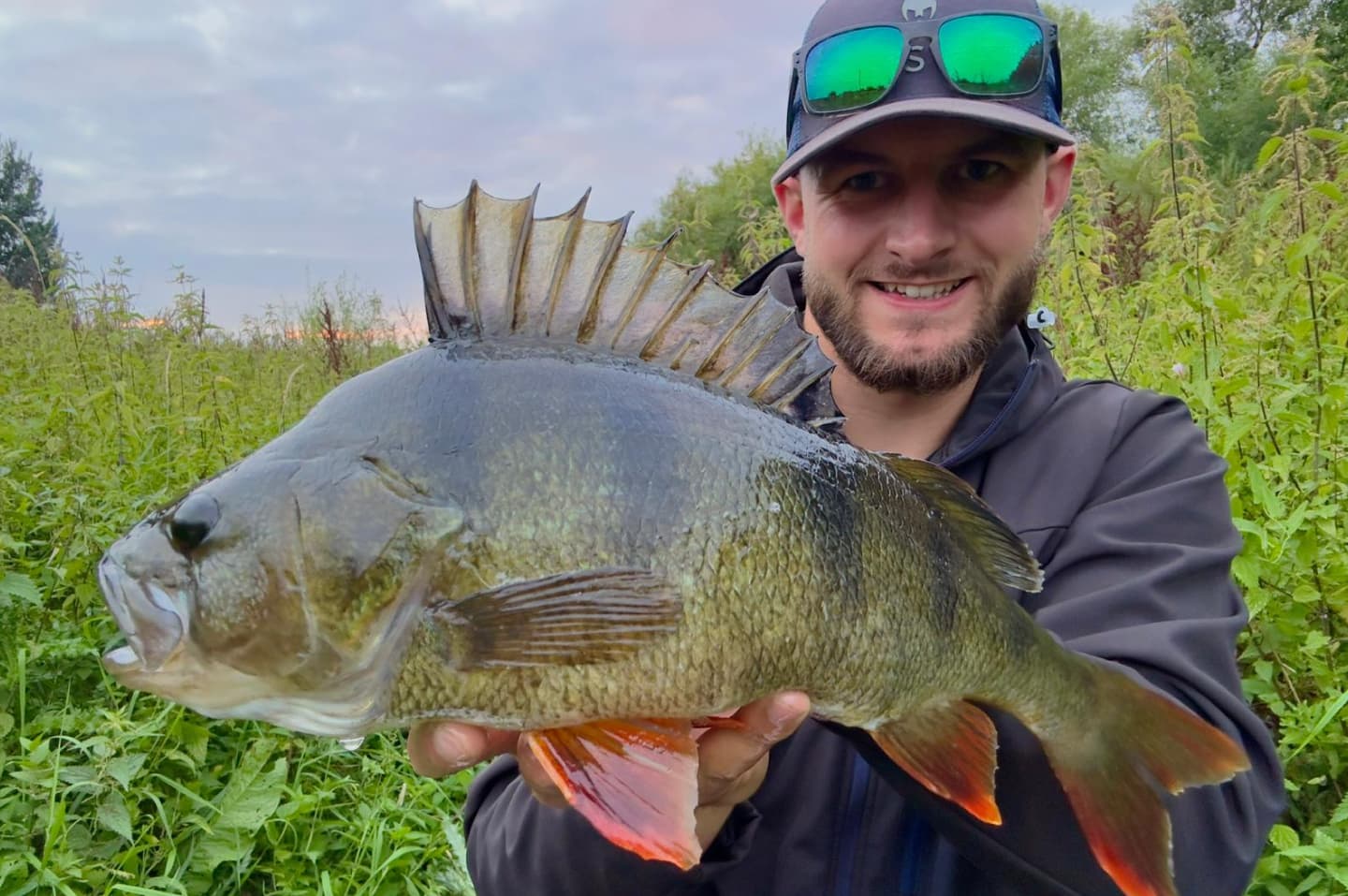
In pursuit of perch, anglers often seek an advantage to set their presentations apart in crowded waters. This season, one angler discovered that advantage in the free rig, a technique largely unexplored by UK fishermen targeting perch. After experimenting with this method, the results were impressive, particularly in areas where competition was fierce. "On pressured venues where others were struggling for bites, the free rig consistently produced fish, including several over 40 cm," recalled the angler.
"On pressured venues where others were struggling for bites, the free rig consistently produced fish, including several over 40 cm,"
The effectiveness of the free rig lies in its unique construction, which separates the weight from the lure. Unlike traditional jigheads or Ned rigs, the free rig allows for a more natural movement of the bait through the water. As the lead weight settles, the lure moves behind it, rising or fluttering in response to buoyancy. This natural action can often deceive perch that have become accustomed to other, more conventional presentations.


The rig is particularly known for its distinctive "fall and rise" effect. By manipulating slack in the line, an angler can create the illusion of a floating bait lifting through the water column, mimicking a stunned or dying fish. "That motion, coupled with a slow fall, can be deadly when fishing over debris, weed, or silt where traditional rigs might snag or lose their appeal," explained the experienced angler.
"fall and rise"
The initial trial of this free rig took place in a narrow, weed-filled river. Using a 3.75-inch Zman StreakZ in pearl, a color suited for clear waters, the angler cast beyond a weed bed. As the lure descended, releasing slack allowed it to rise gracefully. The subtle flicker of its tail seemed to mimic a distressed fish perfectly. "Moments later, the line tightened and I was into my first proper free rig perch, a stunning 42 cm fish that fought well above its weight," he recounted enthusiastically.
"Moments later, the line tightened and I was into my first proper free rig perch, a stunning 42 cm fish that fought well above its weight,"
Career Journey
Career Journey
Career Journey
Buoyed by this early success, he soon switched to a floating creature bait, opting for the 2.5-inch Zman TRD CrawZ. Once again employing a slack-line technique, the CrawZ lifted slowly from the bottom, its claws dancing gently in the current. "The result was another cracking perch, this time 43 cm, taken in near-identical conditions," he highlighted. The approach quickly blossomed into a reliable method; one that has proven effective when conditions seemed challenging.
"The result was another cracking perch, this time 43 cm, taken in near-identical conditions,"
Race Results
Curiosity drove further experimentation with different lure buoyancies. The angler delved into using semi-buoyant lures, one standout being the Gunki Hourra Craw 75. Its claw design, which features air chambers, gives it a lifelike appearance as it lifted and fluttered during pauses. "Each time I paused, the claws lifted into that classic defensive pose. That small detail turned out to be irresistible, and another 40 cm perch couldn’t help but nail it," he described.
The versatility of the free rig became apparent as the angler tried various soft plastics. "The key isn’t the specific lure but how you use it. A slow fall, followed by long pauses and controlled slack, is what consistently draws bites," he stated. He discovered that the take would frequently come on the drop but often occurred as the lure rose gently from the bottom, proving that subtlety pays off in perch fishing.
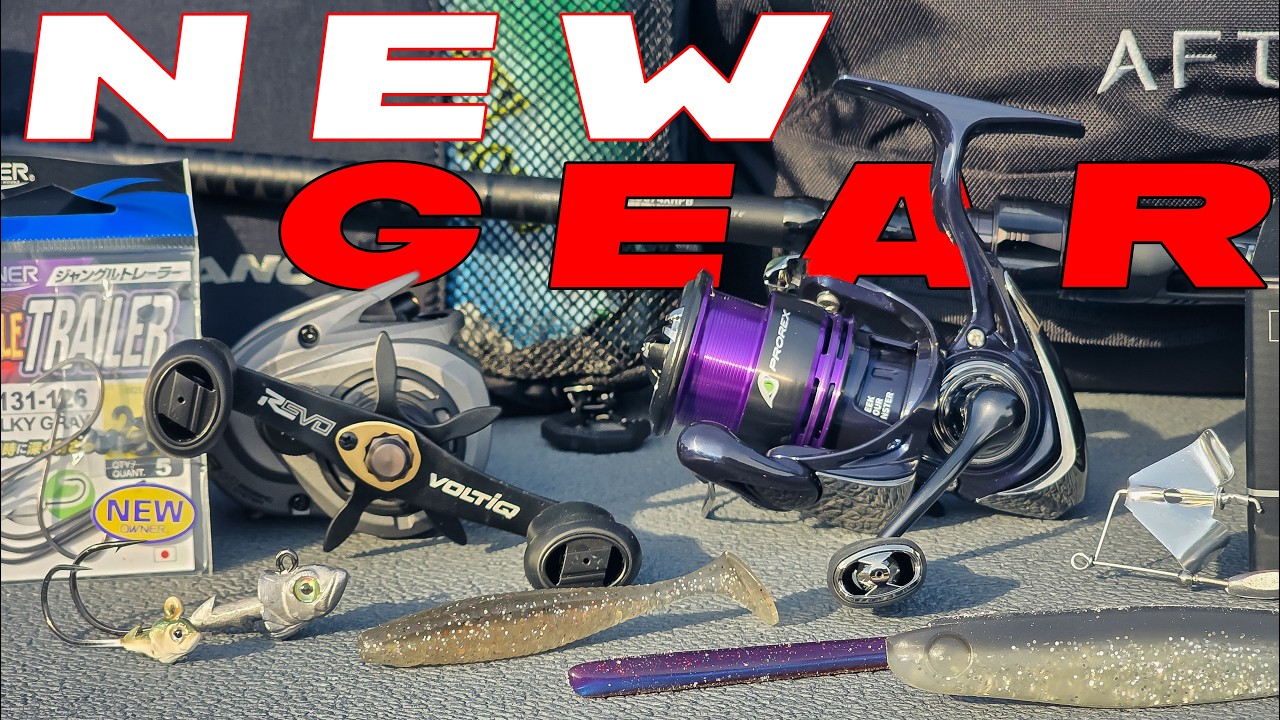
Regarding the tackle employed, simplicity reigns supreme. The expert angler recommends using a light finesse setup, typically a rod rated for 2-10 g with a fast action for enhanced sensitivity. A compact 2000-size reel complements the rod, with 12 lb Shimano Kairiki 8-strand braid as the main line. For the leader, a 7.6 lb Favourite U1 fluorocarbon, about two feet long, rounds out the setup.
The free rig has emerged as an influential technique for perch fishing and continues to showcase its effectiveness in challenging settings. With its ability to produce bites when other methods fail, it represents a valuable tool in an angler’s arsenal, allowing for a refined approach in the quest for trophy perch.