As gas prices linger high, fishing enthusiasts rejoice for the chance to catch fluke without needing to travel far. This June promises great action in the back bays and estuaries of Long Island, where the summer flounder fishery is set to ramp up.
"Don’t cruise over fish to find fish, not when they’re close to port," emphasized seasoned angler James Hargrove. With warming air and water temperatures, fluke season kicks off, pushing fish into coastal waters teeming with bait.
"Don’t cruise over fish to find fish, not when they’re close to port,"
The weeks leading into summer see minnows, spearing, and various shrimp residing in these waters, creating an ideal hunting ground for fluke. As temperatures continue to rise, these fish will grow increasingly active, eventually moving toward reefs as June transitions into July.

"The angle of the sun is changing this time of year, giving longer days which work to our advantage," explained local charter captain Sarah Mills. High tides in the morning, such as those around 6 a.m., ebb until noon, heating shallow mud bottoms.
"The angle of the sun is changing this time of year, giving longer days which work to our advantage,"
Once the tide begins to rise again, warmer water floods the estuaries, activating a vibrant range of species. Mills observed, "This is why you might find fish biting better on the outgoing tide rather than on the cold incoming tide."
Fishing in shallow waters requires different tactics compared to the open seas later in the season. "In the backwaters, it’s all about slow, controlled drifts. Your presentation should mimic the natural flow of bait, so keeping your baits near the bottom is key," advised expert angler Tom Leland.
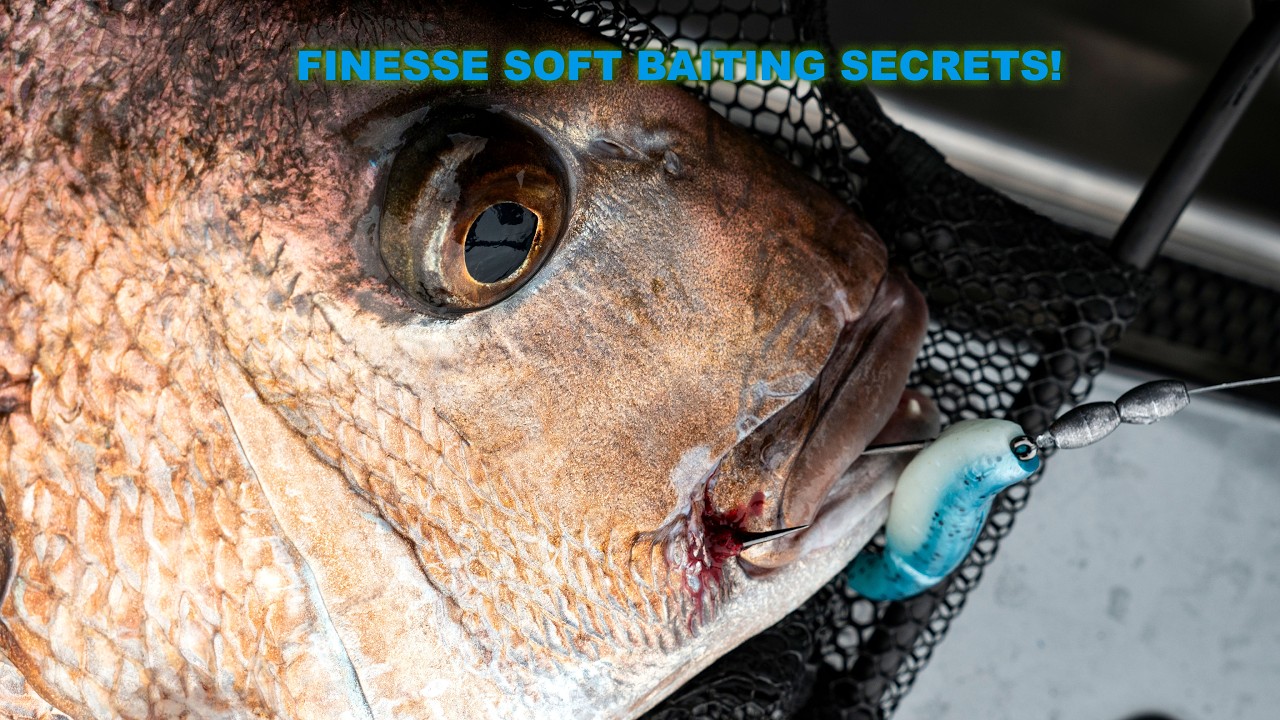
His go-to setup involves 1/8- to 3/4-ounce jig heads. "I prefer using a 3/8-ounce jig, rigged with a 25-pound Tsunami fluorocarbon leader. The Rapala knot works best for tying on the jig, and a dropper loop can be added for a teaser, usually rigged with a 4-inch Gulp shrimp."
Race Results
Leland suggested experimenting with colors like New Penny or Natural for Gulp shrimp, noting, "When you see fluke spitting up mantis shrimp on your deck, it’s a strong indication that these baits will yield results."
Skillful angling means adapting to the tides and wind. "Look for channel edges where the wind blows across the tide; it’s the perfect setup to cover more ground," advised local fishing expert Jennifer Changsong. By working both sides of the channel, anglers can quickly identify hot spots for fluke.
"Look for channel edges where the wind blows across the tide; it’s the perfect setup to cover more ground,"
During drifts on either the incoming or outgoing tide, attention should be focused on features like channels or small outflows from salt ponds. "Just a small trickle can attract minnows and shrimp, creating a feeding frenzy for fluke," Changsong noted, encouraging anglers to capitalize on these natural chum pots.
"Just a small trickle can attract minnows and shrimp, creating a feeding frenzy for fluke,"
Slack tide can be particularly fruitful for targeting larger fluke. "Though you won’t drift much, finding structure and bouncing your bait straight up and down is crucial. I tend to fish holes around 40 feet deep or near bridges with rubble underneath. That’s where the larger fish often hang out," said veteran angler Barry Simmons.
With eels, shrimp, and Gulp baits in hand, anglers can prepare for the peak fluke season. The close proximity of these fish to the shore offers not only a chance to fill a cooler but also to enjoy the natural beauty of Long Island's coast.
Impact and Legacy
As the summer progresses, many fishing aficionados eagerly anticipate heading to the reefs, knowing that the groundwork laid in these back bays will only deepen their understanding and success in the waters beyond. Fishing in these cherished local spots connects generations, ensuring the legacy of fluke fishing thrives.