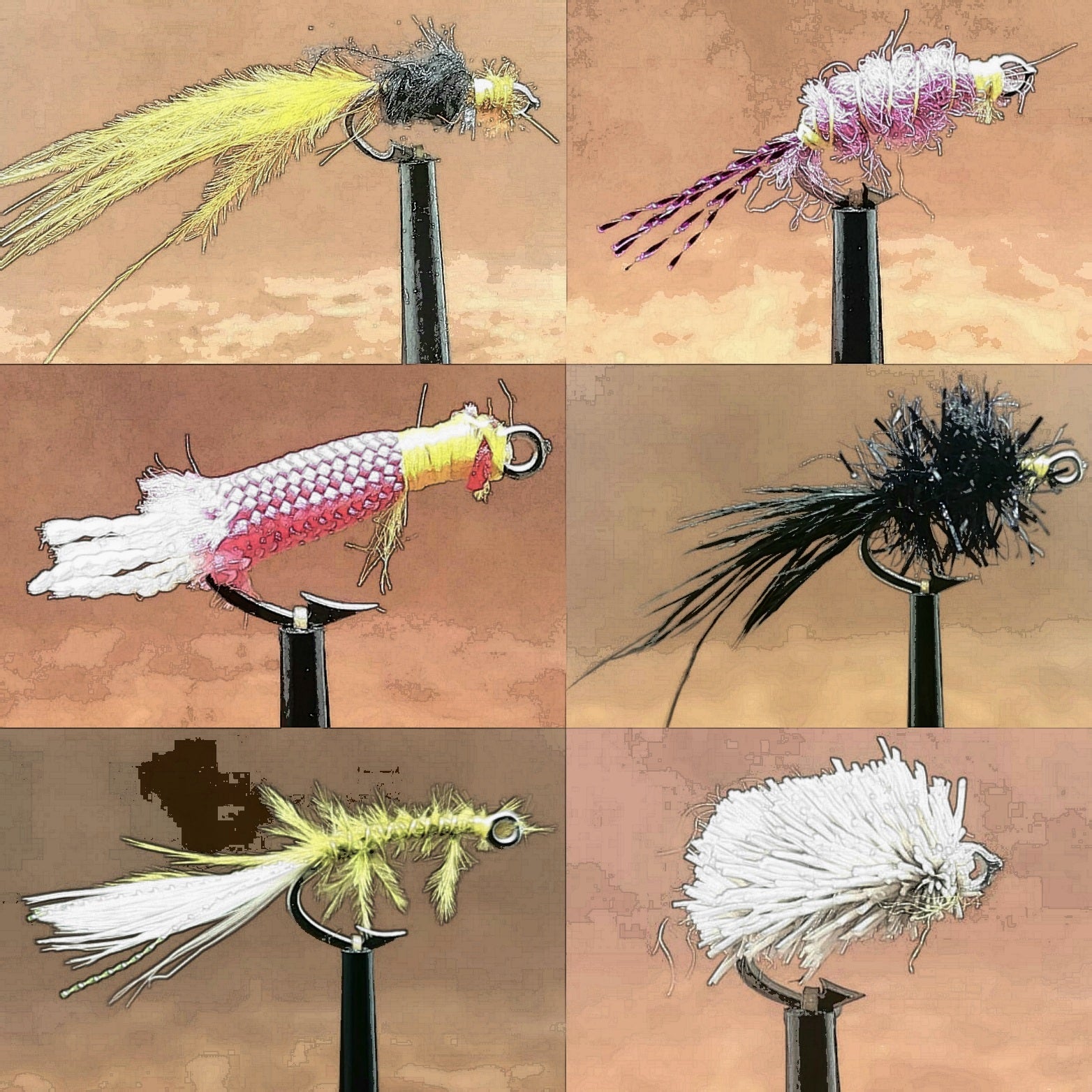
The age-old debate among anglers continues to spark discussion at fishing holes across the country: when should you use bait, and when should you reach for a lure? According to fishing experts, understanding the fundamental differences between these two approaches can be the difference between coming home empty-handed and landing the catch of a lifetime.
"Both bait and [lures](/gear/fishing-lure) can be effective, but they behave very differently underwater," explained a fishing expert. "Recognizing the right time to use one over the other can make or break your fishing experience."
"Both bait and lures can be effective, but they behave very differently underwater,"


The distinction goes far beyond simply what's at the end of your line. Each method employs different strategies to attract fish, operates under varying conditions, and requires specific techniques to maximize success.
**The Natural Appeal of Traditional Bait**
Bait represents the traditional approach to fishing, utilizing anything that fish would naturally consume in their environment. This category encompasses live options like worms and minnows, dead bait, and even some artificial alternatives that closely mimic natural food sources.
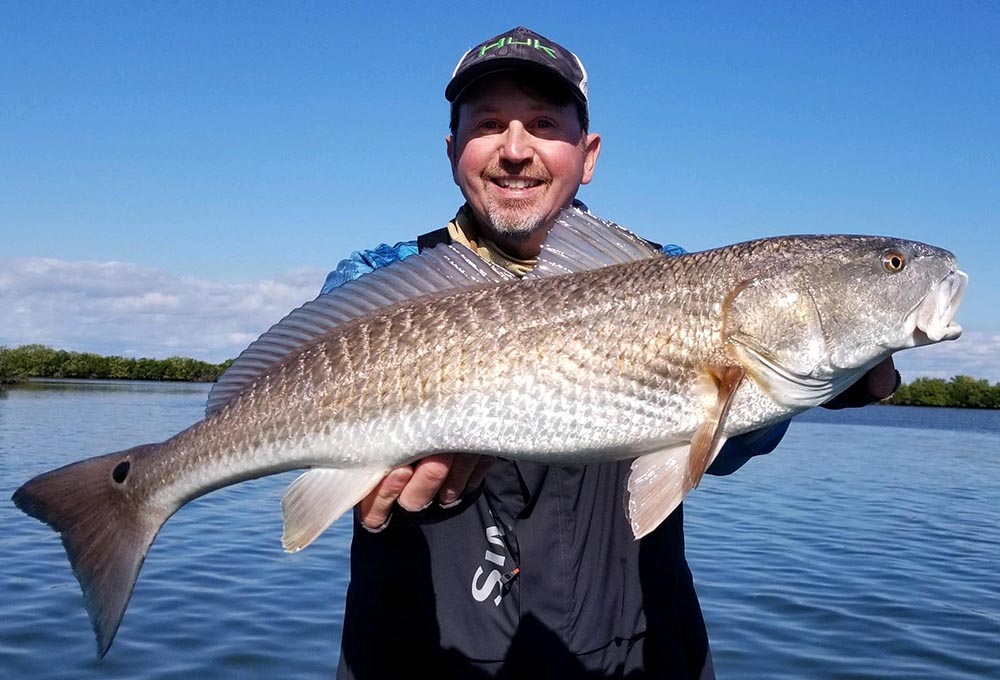
The effectiveness of bait relies heavily on its ability to appeal to a fish's natural feeding instincts through realistic appearance and scent. Common choices among experienced anglers include earthworms, minnows, and crickets, though the options extend far beyond these classics.
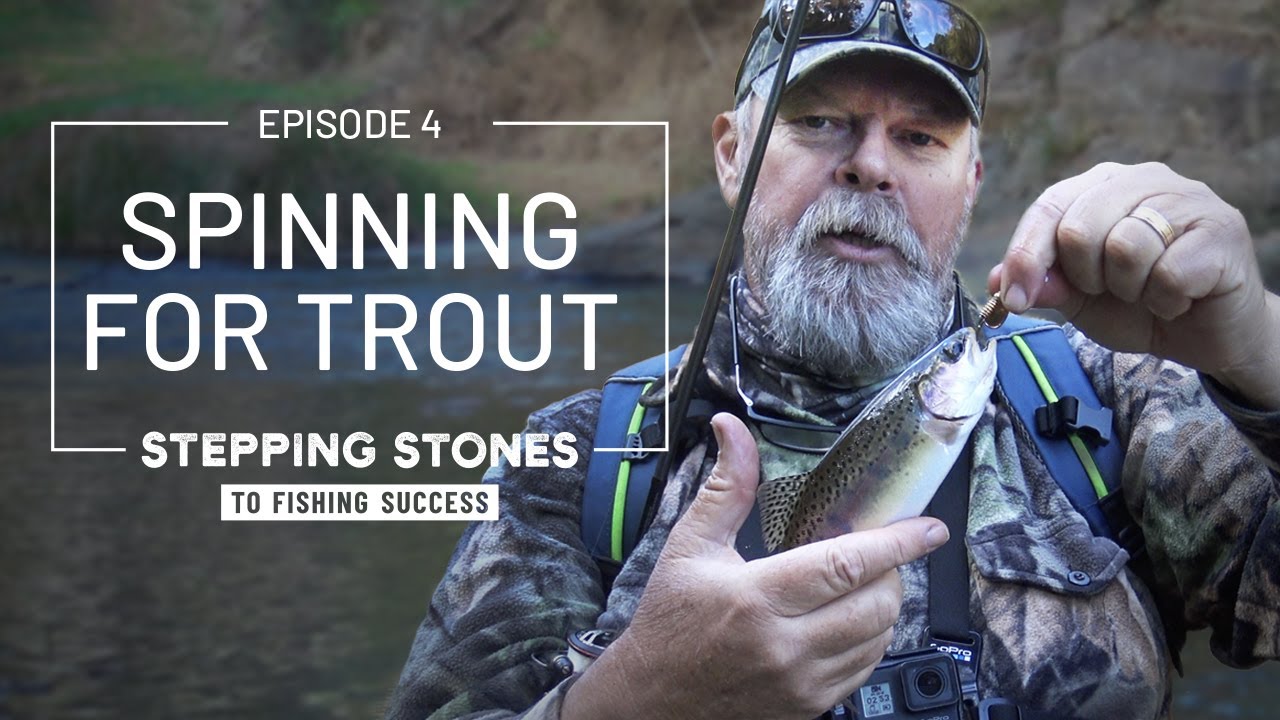
"You can't go wrong with traditional choices like dough balls or even corn for smaller species," noted a seasoned angler, highlighting how even simple household items can prove effective under the right circumstances.
"You can't go wrong with traditional choices like dough balls or even corn for smaller species,"
However, success with bait extends beyond selection to proper presentation. According to fishing guides, hook size selection proves crucial – small hooks pair with small bait, while larger offerings require appropriately sized hardware.
"Threading the bait on the hook correctly is key to securing it," a fishing guide explained. "Push the hook point through the bait several times. Make sure the shank is covered for a realistic look, but leave the tip exposed for a solid hookset."
"Threading the bait on the hook correctly is key to securing it,"
For anglers struggling with bait that won't stay secured, experts recommend tying it with thin line or investing in specialized bait holder hooks. "Those barbs along the shank really help grip soft baits better," the guide added.
"Those barbs along the shank really help grip soft baits better,"
**The Artificial Advantage of Lures**
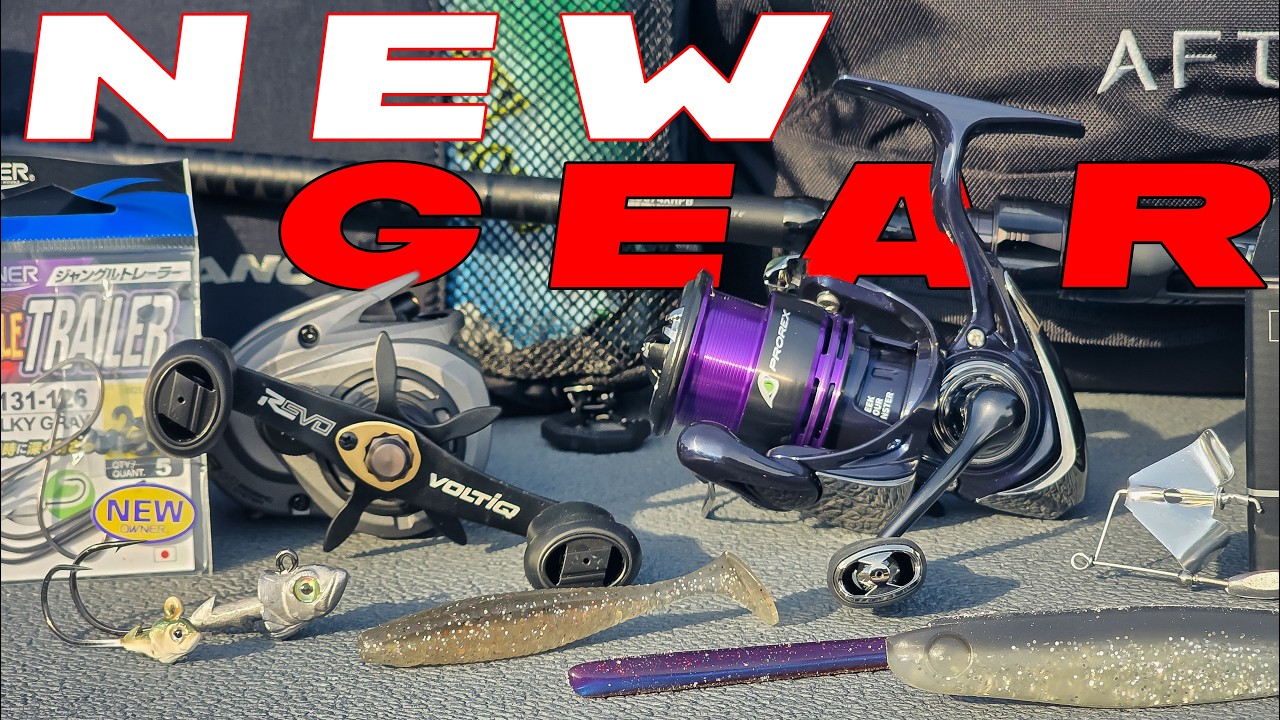
Lures represent a completely different philosophy in fishing strategy. Rather than offering fish what they naturally eat, lures rely on artificial mimicry designed to trigger predatory instincts through visual and sensory stimulation.
"Lures like spinners, jigs, and poppers have unique action patterns that can trigger strikes under the right conditions," according to a fishing tackle specialist. The approach emphasizes flash, color, vibration, and movement over the scent and taste that make bait effective.
"Lures like spinners, jigs, and poppers have unique action patterns that can trigger strikes under the right conditions,"
This artificial approach offers several practical advantages. Lures prove more user-friendly for beginners, can be reused countless times, and allow anglers to efficiently cover large areas of water. For anglers targeting active, aggressive fish or working expansive fishing areas, lures often provide the edge.
**Mastering Different Lure Categories**
Within the lure category, different types excel under specific conditions and require distinct techniques.
Spinners feature rotating metal blades that create an irresistible combination of flash and vibration. "They're very effective when fish are mid-depth," explained a local fishing professional. The key lies in maintaining steady retrieval speed while incorporating subtle variations. "The spinning blade mimics the escape of small baitfish, making it irresistible for predators," the expert noted.
"They're very effective when fish are mid-depth,"
Jigs, characterized by their weighted heads and hooks, prove particularly effective in deeper or colder waters where fish may be less active. Proper jig technique involves allowing the lure to sink before employing rhythmic lifting and dropping motions. "This erratic behavior mimics a wounded fish, tempting nearby predators," stated a fishing enthusiast.
"This erratic behavior mimics a wounded fish, tempting nearby predators,"
"Casting a spoon in clear water provides an irresistible flash that simulates a distressed baitfish,"
For surface action, poppers create splashes and noise that prove deadly in shallow, calm waters. "The popping sound imitates struggling insects or baitfish, making it particularly effective during peak feeding times," shared a fishing guide.
"The popping sound imitates struggling insects or baitfish, making it particularly effective during peak feeding times,"
**Strategic Decision Making**
Impact and Legacy
Impact and Legacy
Impact and Legacy
Ultimately, successful anglers understand that both bait and lures have their place in a complete fishing strategy. Environmental factors such as water clarity, target species, weather conditions, and time of day all influence the optimal choice.
Mastering both approaches allows anglers to adapt to changing conditions throughout a fishing trip. The natural appeal of bait might work better during slow periods, while lures could trigger aggressive strikes when fish are actively feeding.
As one fishing veteran summarized the philosophy: "The river is full of opportunities; it's all about knowing how to make the most of them." That wisdom applies whether you're threading a worm onto a hook or selecting the perfect spinner for the conditions at hand.