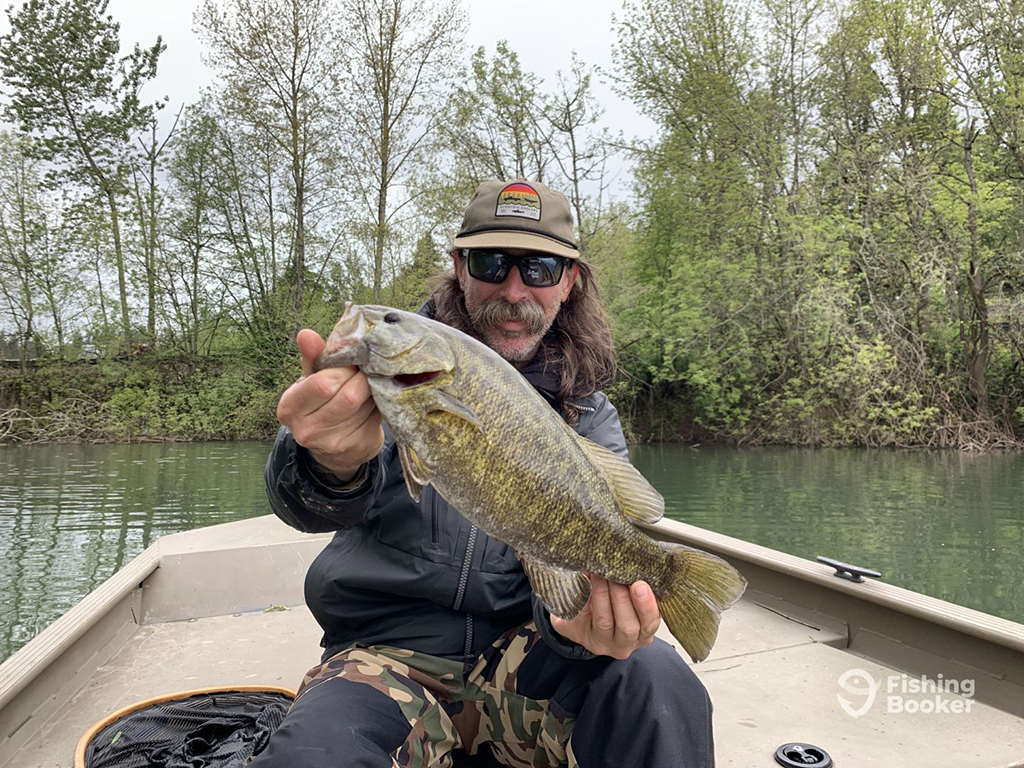
Bass fishing captivates many anglers across North America, with species such as Largemouth, Smallmouth, White Bass, and Striped Bass among the most sought after. However, attracting these elusive fish often requires more than just luck. To assist aspiring anglers, a collection of essential tips has emerged, offering guidance on locations, bait selection, and the specific conditions that can elevate fishing efforts.
Beginning on the water, one of the most overlooked tactics is to start fishing in shallow areas. "Bass love shallow water for ambush sites. Don’t be afraid to work the waters that look shallow—even too shallow—especially during the spring," said fishing expert Zach Lazzari. Starting in these shallow zones can lead to greater success before gradually moving into deeper waters.
Equally important is the strategy of targeting weed beds. "Running rigs with weed guards allows you to fish weed beds without snagging," Lazzari noted, emphasizing the benefits these habitats provide. He explained that when conditions are right, Largemouth Bass in particular may gather in thick weed beds, driven by the confidence that cover brings. Utilizing smaller lures in these areas is crucial since accurate placement is far more effective than using oversize rigs, which can risk frequent snags.

"Running rigs with weed guards allows you to fish weed beds without snagging,"

"Drop-offs are gold," proclaimed Lazzari, and rightly so. These transitions in depth become critical during seasonal changes when water temperature fluctuations dictate bass behavior. "Drop-offs allow Bass to move up and down in the water column, remaining comfortable while also having great ambush opportunities." Large fish are often found near these structures, relishing the mix of open water and the safety of depth changes.
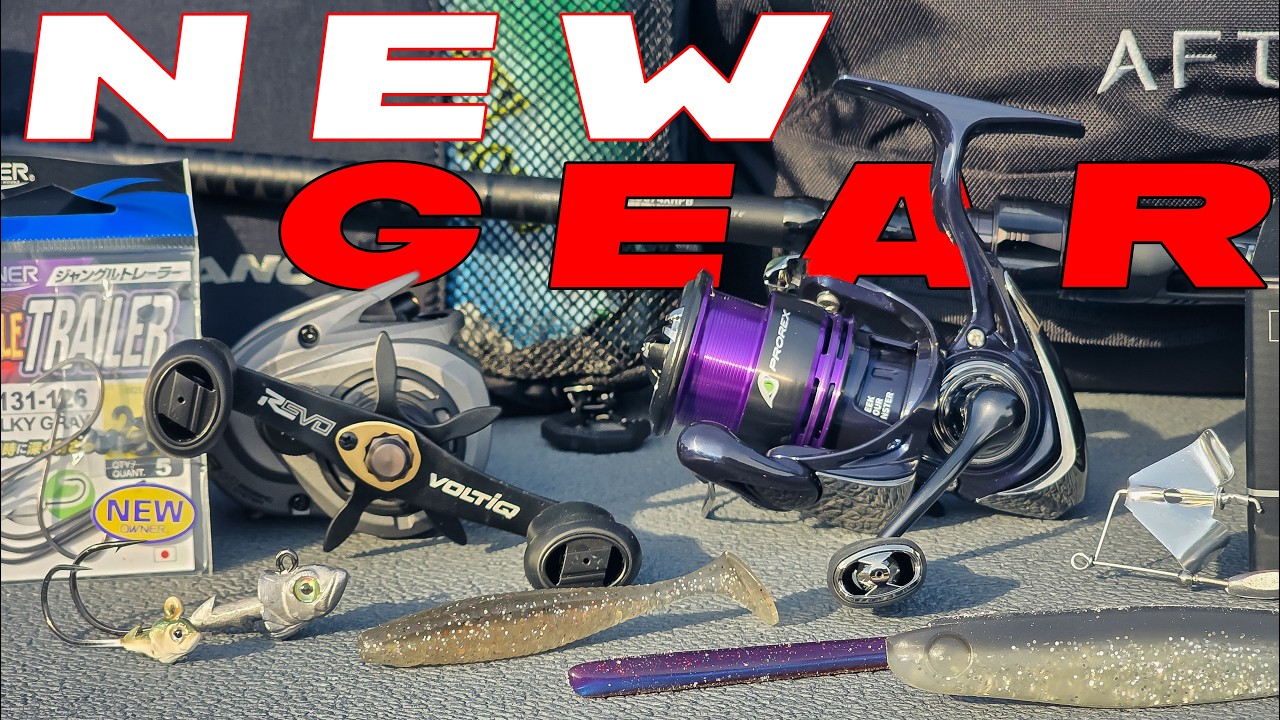
Matching lure selection to the depth of water is another advisable tactic. "Lighter and smaller spinnerbaits are great for shallow zones, while diving crankbaits and jigs can be more effective in deeper waters," said Lazzari. He suggested organizing tackle boxes by depth to streamline the fishing process, making it easier to choose the right lure for any situation.
"Lighter and smaller spinnerbaits are great for shallow zones, while diving crankbaits and jigs can be more effective in deeper waters,"
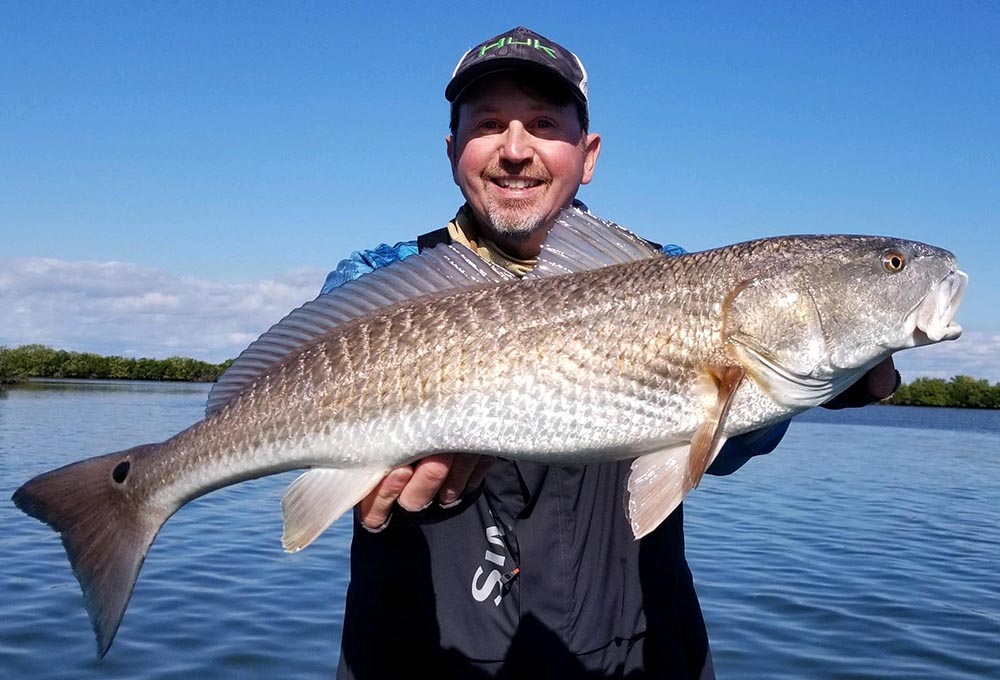
In instances where fishing proves difficult, soft worms emerge as a reliable solution. "When all else fails, fish a worm," Lazzari advised, reinforcing the worm’s reputation as a dependable bait in various conditions. The versatility of worms in different rigging styles provides anglers with an excellent fallback plan.
"When all else fails, fish a worm,"
Career Journey
Career Journey
Career Journey
Beyond the biological insights, Lazzari emphasizes the importance of understanding the time of day for bass fishing. "Early mornings and late evenings are prime times to catch Bass as they become more active," he explained. Timing your fishing trips to these periods can dramatically increase your chances of success.
"Early mornings and late evenings are prime times to catch Bass as they become more active,"
Career Journey
Moreover, enjoying the weather conditions can favor your fishing trip. Lazzari pointed out, "Overcast days can yield better bass fishing, as the cloud cover often encourages the fish to come out from their hiding places." Such information can guide anglers on when to schedule their outings.
Another crucial tip entails being mindful of seasonal patterns and how they affect bass behavior. "Bass will relate to structure differently in spring versus summer, and knowing these patterns helps increase catch success," Lazzari stated. Each season changes where bass might hold, making awareness of these shifts vital for any angler’s strategy.
"Bass will relate to structure differently in spring versus summer, and knowing these patterns helps increase catch success,"
Additionally, learning how to read the water can transform a fishing experience. "Look for signs of activity, such as jumping fish or surface disturbances. These can indicate where bass might be feeding," said Lazzari. This skill not only enhances the fishing experience but also helps pinpoint likely successful areas.
Lastly, networking with local anglers can provide invaluable insights. Establishing connections and exchanging tips can lead to discovering new spots and techniques to improve your bass fishing game. "The fishing community is often eager to share knowledge, so don’t hesitate to ask around," Lazzari advised. Developing relationships within this community can be both rewarding and educational.
"The fishing community is often eager to share knowledge, so don’t hesitate to ask around,"
In summary, mastering the nuances of bass fishing requires awareness of various factors such as water bodies, bait types, seasonal patterns, and local knowledge. By implementing these expert tips and strategies, beginners can significantly enhance their chances of landing that prized catch. As anglers continue to adapt and evolve in their craft, bass fishing remains a dynamic and challenging pursuit.