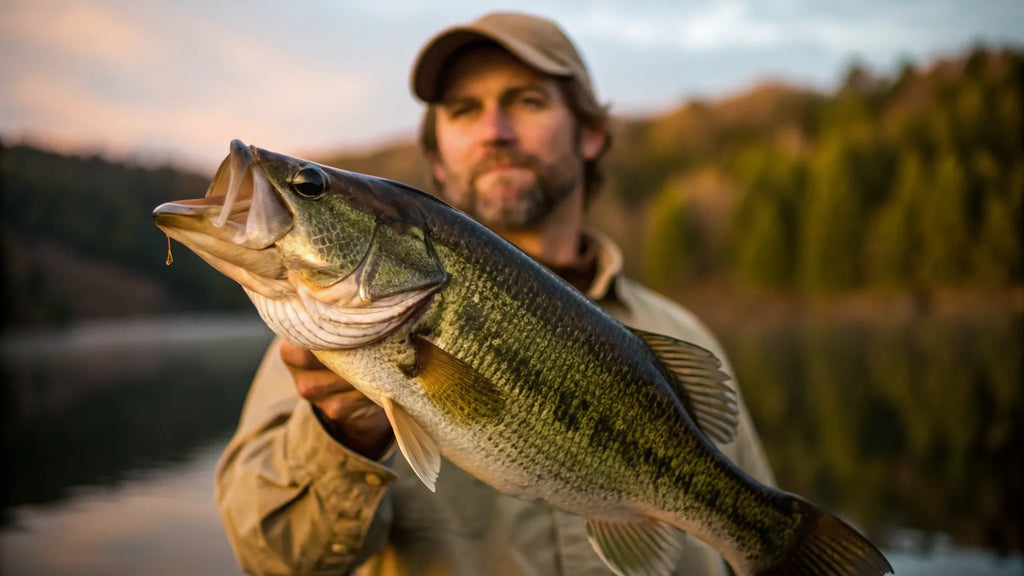
Standing at the water's edge, millions of anglers across America experience a familiar mixture of anticipation and excitement as they prepare to pursue one of freshwater's most intelligent predators: the bass. This popular outdoor activity not only captivates fishing enthusiasts but also contributes significantly to local economies nationwide.
Each year, countless fishing enthusiasts take to various waters in pursuit of these elusive fish, making it essential for them to understand effective strategies for successful bass fishing. Whether you're a seasoned angler or just beginning your fishing journey, comprehending the nuances of bass behavior, bait selection, and fishing methods can dramatically increase your chances of success on the water.
Understanding Seasonal Bass Behavior


Recognizing the natural tendencies of bass serves as the foundation for developing effective fishing techniques. Bass are opportunistic feeders that thrive in environments rich with cover, such as submerged rocks, fallen trees, and aquatic vegetation. These locations provide both shelter from predators and prime hunting grounds for the fish.
Seasonal changes significantly alter bass behavior, directly affecting how and where anglers should focus their efforts. During colder months, bass metabolism slows considerably, making them less active and more challenging to catch. "In colder months, bass slow down significantly and become less active. They can still be caught, but it requires strategic approaches and patience," explained an experienced local angler.
As winter progresses, bass become increasingly elusive, often holding in deeper water structures and showing less interest in pursuing prey. However, fall presents a stark contrast to winter fishing conditions. During autumn, bass feed aggressively to build energy reserves for the upcoming winter months, making them more vulnerable to anglers. This feeding frenzy often occurs near the surface and around cover areas where baitfish concentrate.
Career Journey
Summer fishing introduces its own unique challenges and opportunities. During the hottest parts of summer days, bass typically move to deeper waters, seeking relief in shaded structures or thick vegetation beds. Consequently, the most productive fishing times during summer months are generally early mornings and late afternoons when temperatures are cooler and bass are more active in shallow areas.
Spring represents a transitional period that many anglers consider prime time for bass fishing. "As the water begins to warm, bass become increasingly active and move into shallower waters for spawning, making them easier targets," noted a fishing guide who specializes in bass fishing. This spawning behavior creates excellent opportunities for anglers who understand where and when to find these fish.
"As the water begins to warm, bass become increasingly active and move into shallower waters for spawning, making them easier targets,"
Feeding Preferences and Bait Selection
Impact and Legacy
Understanding bass feeding preferences plays a crucial role in successful luring strategies. Bass maintain a diverse diet consisting primarily of smaller fish, crayfish, and various insects. This varied diet directly influences bait selection decisions for successful anglers.
Race Results
Live bait options such as minnows and worms prove highly effective, particularly when bass exhibit less aggressive behavior during colder months. These natural offerings appeal to bass instincts and often produce results when artificial lures fail to generate strikes.
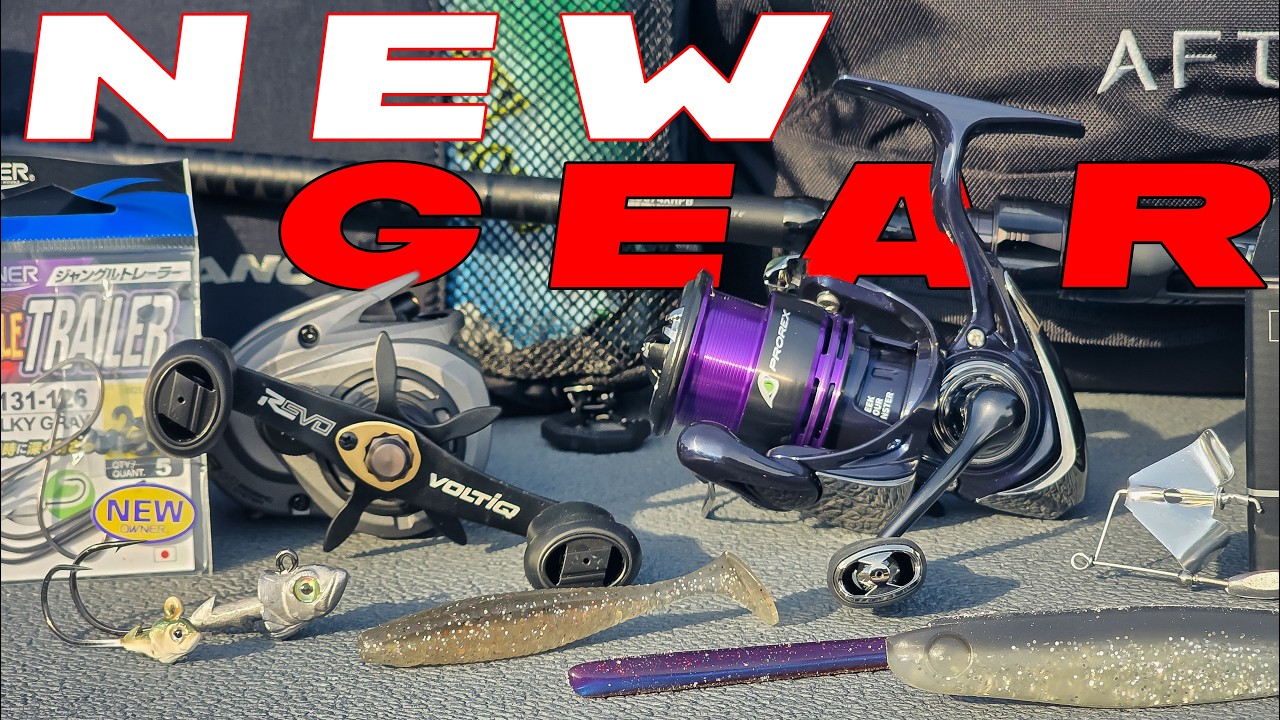
Artificial baits offer advantages in terms of convenience and versatility. Spinnerbaits and crankbaits can effectively simulate prey movement patterns, triggering predatory responses from bass. Color selection plays an important role in artificial bait effectiveness. "Bright colors like yellow, purple, and black are often favored by bass," shared a fishing expert, emphasizing the importance of visual appeal in successful bait selection.
"Bright colors like yellow, purple, and black are often favored by bass,"
Essential Gear and Setup
Proper gear selection significantly impacts bass fishing success rates. Maintaining a varied assortment of lures—including spinners, jigs, and topwater options—proves essential since different conditions often require specific lure styles. "Consider local forage when selecting colors and styles," advised one tackle shop owner, highlighting the importance of matching lure presentations with bass feeding patterns during particular seasons.
"Consider local forage when selecting colors and styles,"
Fishing line selection deserves careful consideration for bass fishing applications. Braided line often stands out due to its superior strength and reduced underwater visibility compared to monofilament options. A setup featuring line test ratings between 15 to 20 pounds generally provides optimal performance for most bass fishing situations.
Rod and reel combinations should complement the chosen line weight. Pairing braided line with a medium to heavy action rod and a quality baitcasting reel creates an effective bass fishing setup capable of handling various fishing techniques and conditions.
Proven Fishing Techniques
Employing specific techniques tailored to bass behavior patterns can yield impressive results on the water. Slow rolling a spinnerbait in deeper waters effectively mimics injured prey movements, often triggering aggressive strikes from opportunistic bass. "Allow your spinnerbait to sink, then retrieve it slowly; this strategy often proves effective in deeper environments," shared an experienced angler.
"Allow your spinnerbait to sink, then retrieve it slowly; this strategy often proves effective in deeper environments,"
Topwater fishing represents another exciting technique that can produce explosive surface strikes, particularly during low-light conditions when bass are actively feeding in shallow areas. Success with bass fishing ultimately depends on understanding fish behavior, selecting appropriate gear and bait, and adapting techniques to match current conditions and seasonal patterns.