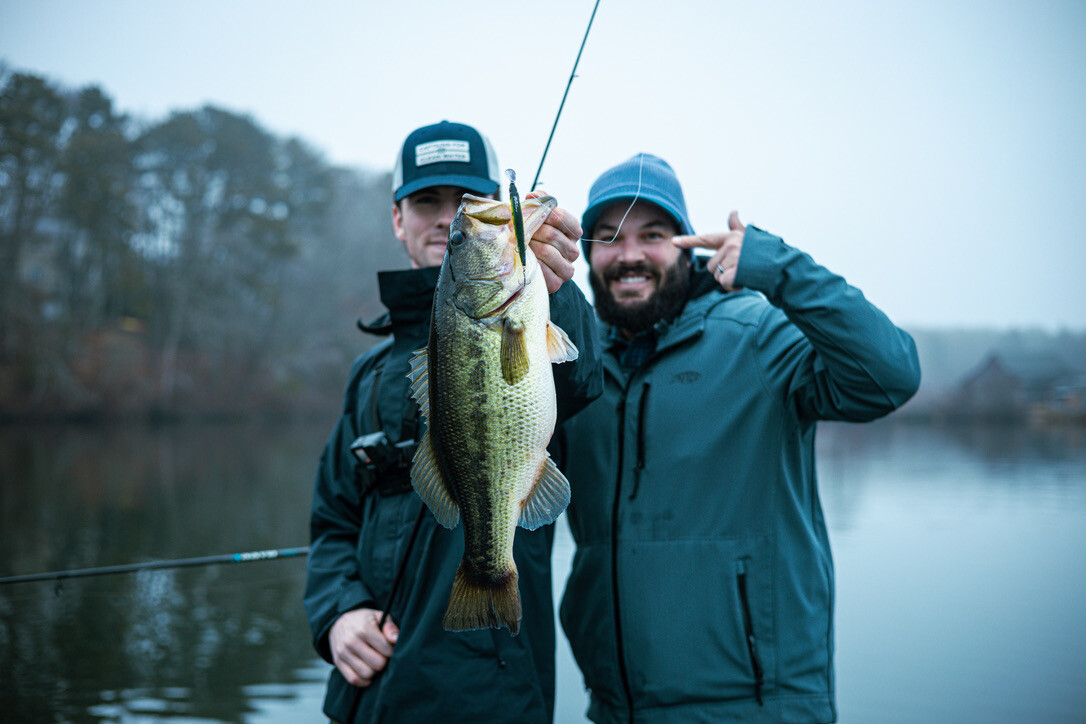
The tackle shop can be an overwhelming place for bass fishing enthusiasts. Shelves lined with dozens of jig varieties—from traditional flipping jigs to innovative bladed and scrounger designs—present a dizzying array of choices for both newcomers and seasoned anglers alike.
Navigating this sea of options requires understanding which jigs work best in specific situations. According to fishing expert Shaye Baker, mastering six fundamental jig styles can dramatically improve an angler's success rate when targeting bass across different conditions and environments.
**Football Jigs: Deep Water Crawfish Imitators**


The football jig stands out with its distinctive oblong head that mirrors its namesake shape. "These jigs are designed to be dragged slowly along a fairly clean bottom in deeper water," Baker explained. This design makes them particularly effective at mimicking crawfish, one of bass's preferred prey items.
"These jigs are designed to be dragged slowly along a fairly clean bottom in deeper water,"
Color selection proves crucial with football jigs, with darker hues dominating successful patterns. However, Baker notes that incorporating bright accent strands like orange can trigger strikes. Weight selection typically ranges from 1/2 to 3/4 ounces, as these jigs excel in depths exceeding 10 feet.
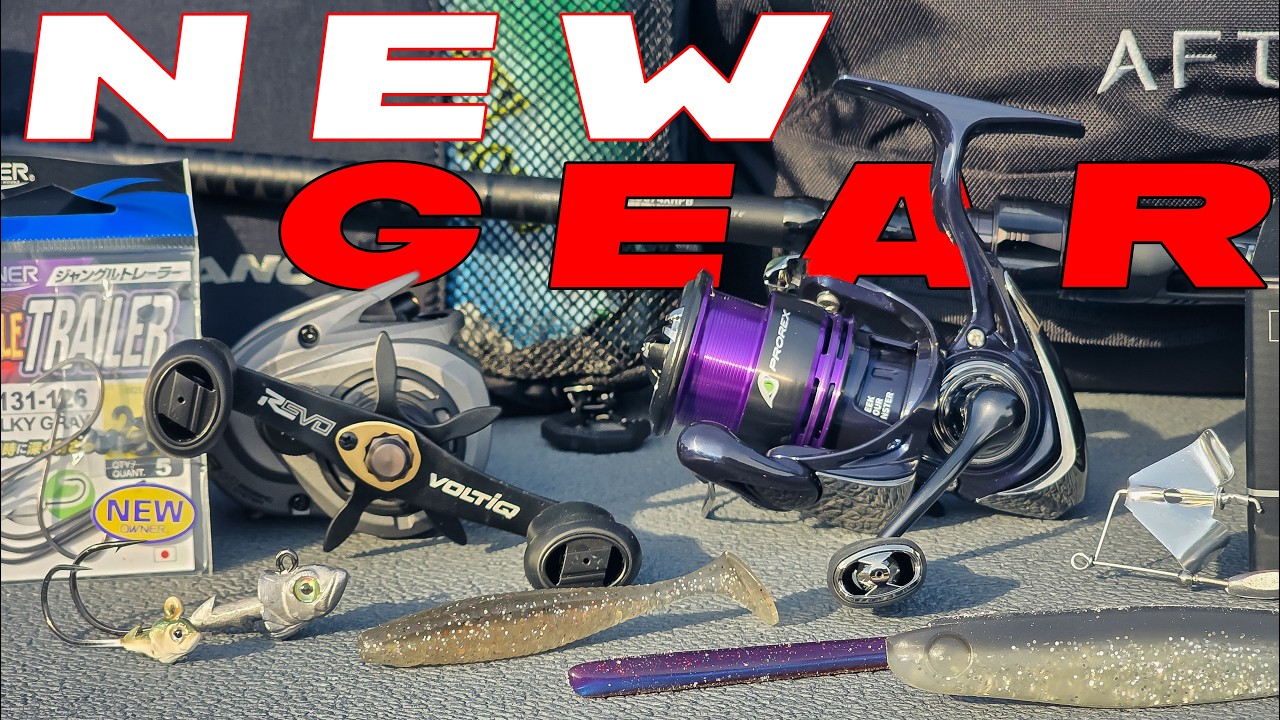
The technique is straightforward but requires patience. "Cast a football jig out, let it sink to the bottom, and then use slow drags to pull it in," Baker advised. When the standard dragging approach fails to produce bites, anglers can employ a technique called "stroking a jig"—lifting the bait several feet off the bottom before allowing it to fall back down repeatedly.
"Cast a football jig out, let it sink to the bottom, and then use slow drags to pull it in,"
**Swim Jigs: Versatile Cover Navigators**
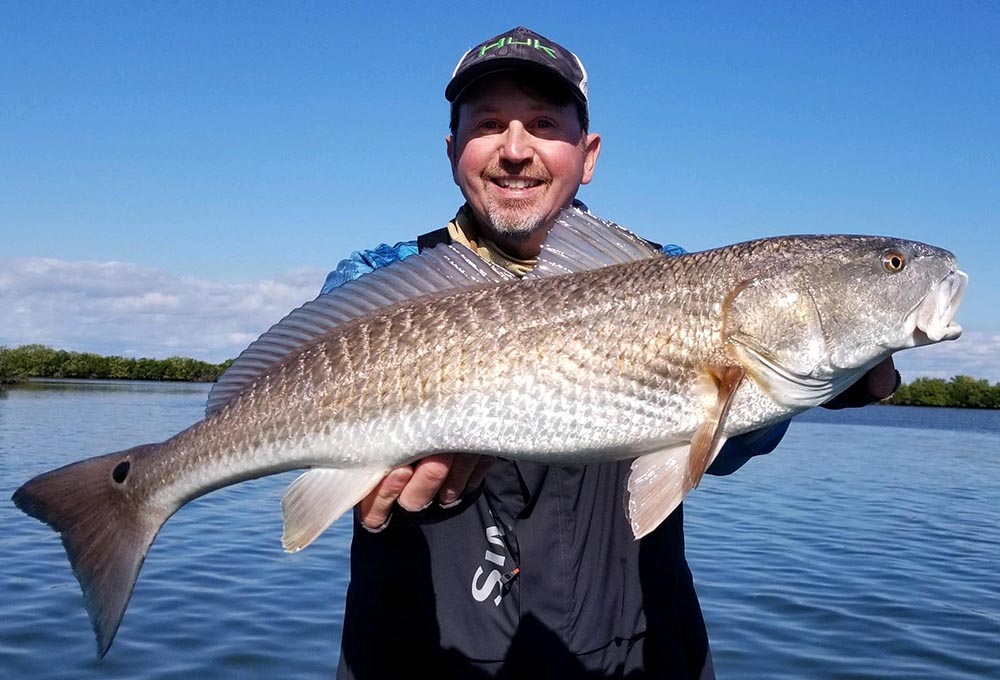
Swim jigs feature a pointed nose design that excels at cutting through dense vegetation like water willow and hydrilla. "These baits work remarkably well around wood and docks, too," Baker added, highlighting their versatility beyond aquatic vegetation.
"These baits work remarkably well around wood and docks, too,"
While heavier swim jigs can target deeper structure, the 3/8-ounce size typically proves most effective in shallow water applications. The real magic happens when pairing these jigs with appropriate soft plastic trailers, creating convincing imitations of various baitfish species including bluegills and perch.
Timing can be critical with swim jigs. "Swim jigs are versatile and work throughout the year, but spring is particularly notable," Baker mentioned. During pre-spawn and post-spawn periods, bass concentrate in shallow cover, making them prime targets for this technique.
"Swim jigs are versatile and work throughout the year, but spring is particularly notable,"
The presentation involves casting near cover and retrieving the jig close to the surface while incorporating rod tip twitches. This action, according to Baker, effectively draws in curious fish that might otherwise ignore static presentations.
**Flipping and Pitching Jigs: Precision Shallow Water Tools**
While technically different techniques, flipping and pitching jigs serve similar purposes and can be discussed together due to their shared applications. Both excel when targeting shallow cover including brush piles, vegetation, and dock structures.
Unlike football jigs that rely on bottom-dragging presentations or swim jigs that move horizontally through the water column, flipping and pitching jigs are specifically designed for vertical presentations on the fall.
Baker emphasized the simplicity of the approach: "Just flip or pitch one of these jigs near cover and let it fall." This technique capitalizes on bass's instinct to strike prey items as they descend through the water column, often producing reaction strikes from fish that might not chase moving baits.
**Finesse Jigs: Solutions for Pressured Fish**
When bass become selective or fishing pressure increases, finesse jigs offer a subtle alternative to heavier presentations. Baker described these as smaller, lighter options specifically designed for finicky bass that refuse more aggressive offerings.
Race Results
These jigs typically feature lightweight hooks and compact jig heads, enabling delicate presentations that can trigger strikes in challenging conditions where standard-sized baits fail to produce results.
**Skipping Jigs: Reaching Hidden Fish**
Skipping jigs address one of bass fishing's persistent challenges—reaching fish hiding beneath overhangs or deep under dock structures. Their streamlined design facilitates the skipping technique, allowing anglers to access areas that traditional casting cannot reach.
"The skipping technique involves casting the jig in such a way that it lands softly on the water's surface, making minimal noise to avoid spooking the fish," Baker advised. This stealthy approach often produces strikes from bass that rarely see [lures](/gear/fishing-lure) due to their protected positions.
"The skipping technique involves casting the jig in such a way that it lands softly on the water's surface, making minimal noise to avoid spooking the fish,"
**Casting Jigs: All-Purpose Performers**
Casting jigs round out the essential arsenal with their versatility across various scenarios. These jigs prove particularly effective when targeting cover or structure where bass typically ambush prey.
Baker emphasized that success with casting jigs depends heavily on matching color and size selections to prevailing conditions—a principle that applies across all jig fishing but becomes especially critical with these adaptable lures.
Mastering these six jig styles provides bass anglers with tools to effectively target fish across seasons, depths, and cover types, transforming overwhelming tackle shop visits into strategic equipment selection sessions.