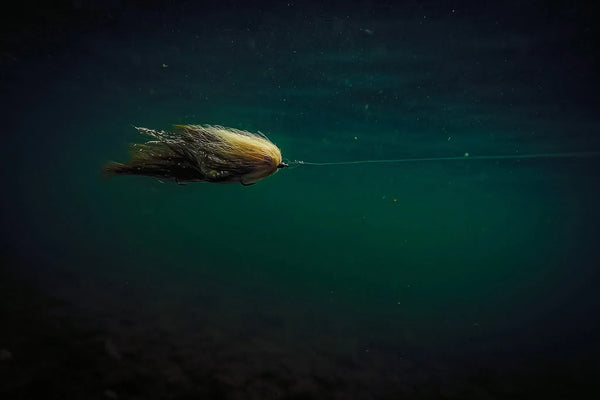
As November's chill settles across fishing waters nationwide, anglers are discovering that successful trout fishing requires a complete shift in strategy. With water temperatures plummeting below 50°F, the aggressive feeding patterns and abundant hatches of summer have given way to a more challenging but potentially rewarding fishing scenario.
The transformation is dramatic. Trout that once readily struck at fast-moving flies now exhibit calculated, energy-conserving behavior. They've repositioned themselves near protective structures—deep pools, undercut banks, and subtle current breaks—waiting patiently for easy meals to drift within striking distance.
"Streamer season doesn't end when the air turns cold — it just gets more technical," explained an industry expert, highlighting how successful cold-weather fishing demands a sophisticated understanding of fish behavior and technique adaptation.

"Streamer season doesn't end when the air turns cold — it just gets more technical,"

The challenge lies in the fundamental changes that occur as water temperatures drop. Trout metabolism slows significantly, affecting their digestion, movement patterns, and reaction times. This biological shift means traditional warm-weather tactics often prove counterproductive in colder conditions.
"Matching the mood matters," emphasized a seasoned fishing guide. "In warmer weather, aggressive retrieves might be successful, but as temperatures plunge, those strategies can become counterproductive."
"Matching the mood matters,"
The science of cold-water streamer fishing revolves around three critical elements: sink rates, retrieve speeds, and strategic color choices. Each component must work in harmony to keep flies within what experts call the "optimal strike zone"—that narrow band where lethargic trout are willing to expend energy for a meal.
"optimal strike zone"
Depth management becomes paramount in these conditions. Unlike their summer behavior, cold-water trout rarely venture far from the bottom, making sink rate calculations crucial for success. Effective depth strategies include allowing flies to sink for 5-10 seconds before beginning retrieves, using downstream mends to aid descent, and selecting weighted flies such as coneheads or lead-wrapped patterns.
Leader length also plays a critical role, with experts recommending shorter leaders of 3-4 feet to prevent flies from rising too high in the water column. The goal is maintaining streamer position just above the bottom, occasionally making contact with rocks where predatory trout lie in wait.
"If you think you're fishing too slow, slow down again," the guide emphasized, underscoring the patience required for cold-weather success.
"If you think you're fishing too slow, slow down again,"
Retrieve techniques must mirror the sluggish movements of natural prey in cold water. Sculpins and baitfish move considerably slower in frigid conditions, making realistic imitation essential. Successful retrieves include the "swing and drop" method, where flies swing through runs before pausing—a technique that often triggers strikes during the suspended fall phase.
"swing and drop"
Short strips of 6-12 inches with extended pauses prove particularly effective in deep seams and gentle currents, while hand-twist retrieves work well in calm waters, maintaining steady motion that keeps flies properly submerged. The key is avoiding long, brisk strips that might elevate flies out of the productive zone.
Race Results
Race Results
Race Results
Small twitches and deliberate pauses effectively emulate stunned baitfish—prime targets for opportunistic large trout. This approach requires significant technique adjustment from summer fishing methods but can yield impressive results for persistent anglers.
"Watch your line, not your fly. Often, you'll only see the line twitch or stall when a fish hits," advised an experienced angler, highlighting the subtle nature of cold-water strikes.
The technical aspects of cold-water streamer fishing extend beyond basic technique to encompass detailed understanding of current dynamics and structure reading. Successful anglers must identify where trout concentrate during temperature drops, recognizing that fish behavior becomes increasingly predictable as conditions stabilize.
Unlike the opportunistic feeding of warmer months, cold-water trout demonstrate selective behavior, making presentation accuracy and persistence crucial factors. The narrow feeding windows require anglers to maximize each opportunity, often meaning extended time working individual productive areas rather than covering extensive water.
This seasonal transition represents both challenge and opportunity for dedicated anglers. While the aggressive surface activity of summer disappears, the methodical approach required for cold-water success often yields encounters with larger, more mature trout that have survived multiple seasons through their cautious feeding behavior.
The reward for mastering these technical skills extends beyond individual fishing success. Understanding cold-water dynamics provides insight into trout behavior throughout the seasonal cycle, making anglers more versatile and effective regardless of conditions.
As temperatures continue dropping through late fall and into winter, these foundational principles become even more critical. Anglers willing to embrace the technical challenge and adjust their expectations from quantity to quality often discover that cold-water streamer fishing offers some of the most rewarding experiences of the fishing season.