Crankbait fishing is a nuanced skill that demands the right tackle to ensure success on the water. Mike Iaconelli, a respected name in the fishing community, emphasizes the importance of having a well-rounded setup to fully leverage the advantages of crankbaits.
"I’ve talked a lot about diving crankbaits. They are a great lure because they’ll catch fish that are hungry and they’ll also trigger bites from non-feeding fish," said Iaconelli. This underscores the versatility of crankbaits, which can be effective in various conditions and for different fish behaviors.
To further enhance your crankbait strategy, Iaconelli highlights the significance of utilizing the correct rod. He explains, "Crankbait rods are very different than most other rods you own and use, both in terms of action and material." The unique design of these rods caters to the needs of treble hooks, requiring a parabolic and forgiving action.


For Iaconelli, flexibility in a rod is crucial. "You need your rod to be parabolic and forgiving, with a lot more flex," he said, suggesting a 60/40 or 50/50 action. A rod that blends flexibility with some backbone allows for effective casting and hook setting. He personally prefers a rod length of between 6’6” and 7’6”, with most of his crankbait rods measuring around 7’ or 7’3”. "That’s my comfort zone," he noted.
"You need your rod to be parabolic and forgiving, with a lot more flex,"
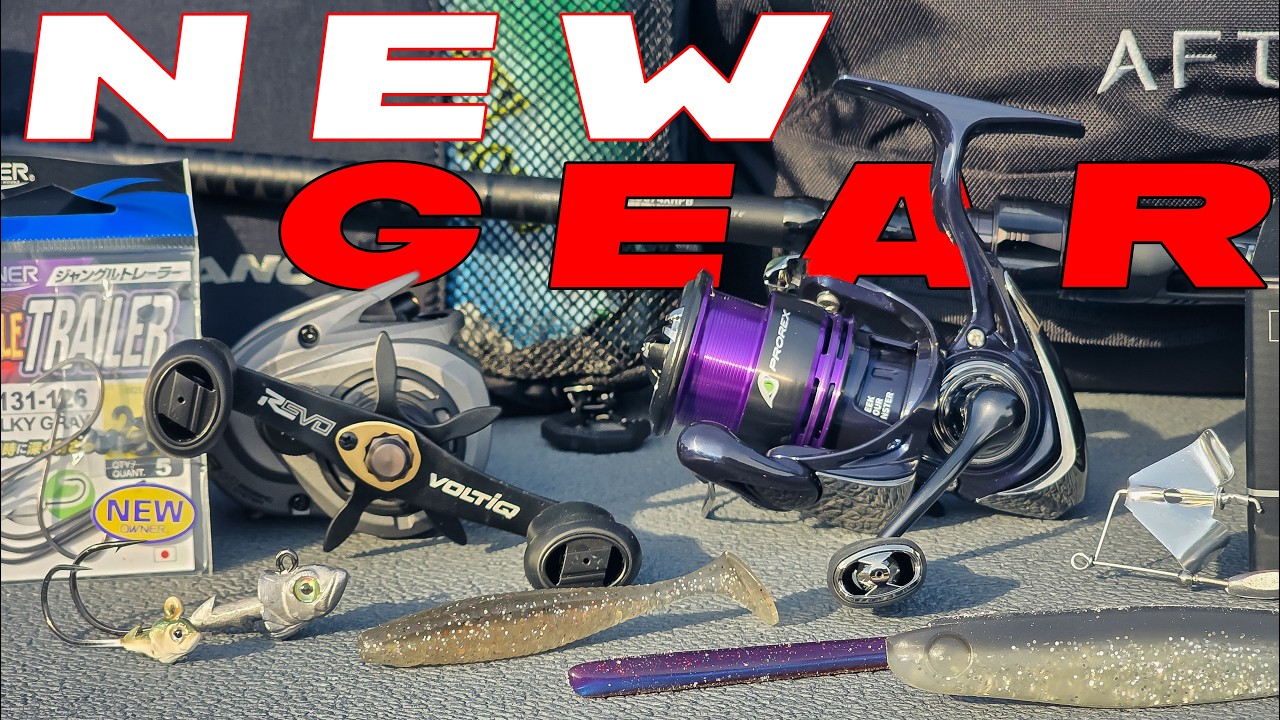
When it comes to materials, Iaconelli has a distinct preference. "While most of my rods are graphite, this is the one time that I prefer a composite rod," he stated. A composite rod combines graphite with fiberglass, which contributes to its more forgiving action. This flexibility serves a dual purpose: it aids in casting larger plugs and allows fish to take the lure more fully before the hook is set.
"While most of my rods are graphite, this is the one time that I prefer a composite rod,"
Iaconelli elaborates on this technique, referring to it as the "delay." He cautions against instinctively pulling too soon when a fish bites. "With a stiff rod, you’ll pull the lure away from him and miss a lot of fish. This way, you’ll still feel the bite but the rod takes longer to load, so the fish has time to engulf the lure," he explained. This technique is critical for improving catch rates, particularly when targeting bass.
Additionally, incorporating a softer rod tip has tangible advantages. According to Iaconelli, a more forgiving tip helps anglers land more fish. "Bass don’t like being hooked, so they’ll jump and dive and shake their heads. With a stiff rod, they’ll get a lot of leverage to help them get off," he said. The soft tip absorbs the fish's thrashing and keeps them securely hooked.
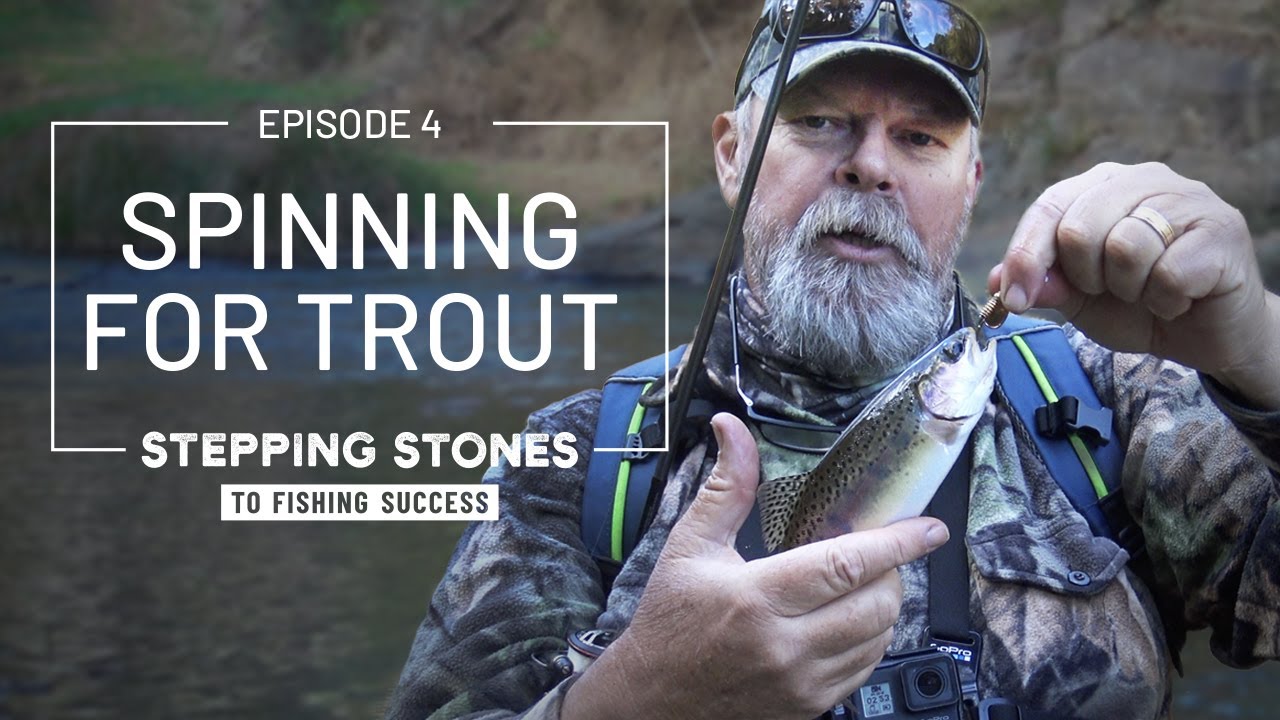

Complementing a suitable rod, Iaconelli urges anglers to select the right reel. He advocates for low-profile casting reels as an optimal choice for crankbait fishing. This type of reel provides anglers with the smooth operation and control needed to manage the intricacies involved when using crankbaits effectively.
By aligning your tackle with the specific requirements for crankbait fishing, you position yourself for success on the water. As Mike Iaconelli emphasizes, understanding tackle is just as important as the lures themselves when it comes to catching fish.
In conclusion, whether you’re a seasoned angler or a novice, refining your crankbait tackle setup is essential. With the right rod, reel, and technique, you can significantly enhance your fishing experience and success rate. By applying these insights from Iaconelli, anglers can increase their proficiency and enjoy more productive outings, making the most out of their crankbait fishing adventures.