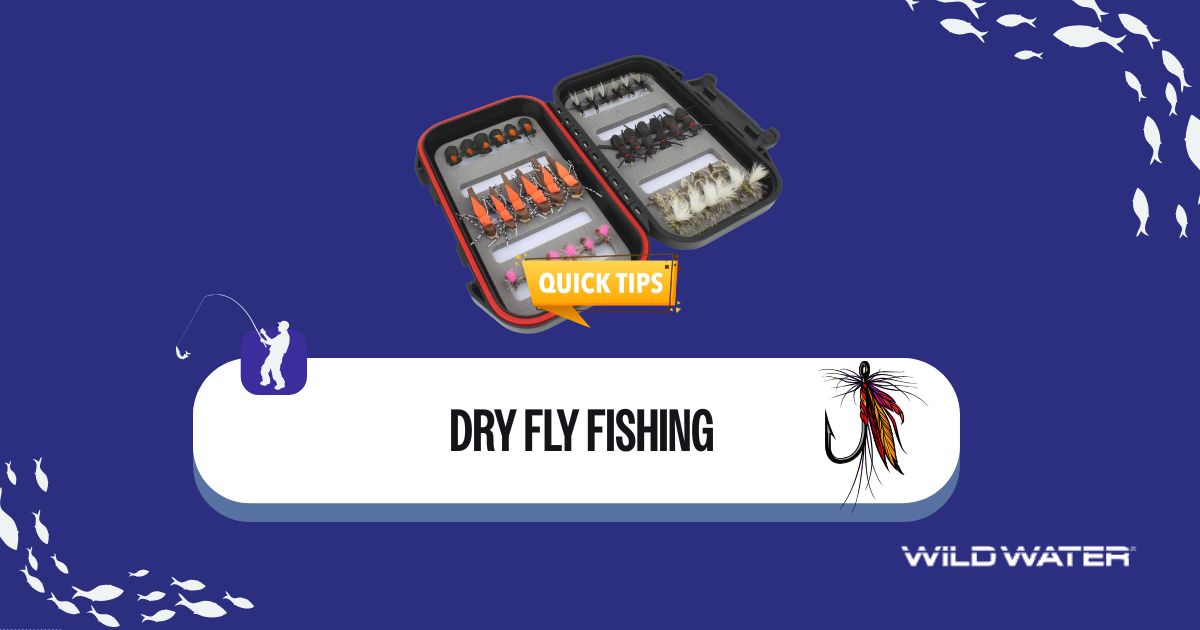
Dry fly fishing captivates anglers with its unique visibility, allowing fishermen to witness every aspect of the trout's interaction with the fly. Observing how trout rise, inspect, or refuse a fly can significantly improve an angler’s strategy. As one expert noted, "You see every refusal, every inspection, and every take as it happens on the surface." This complete understanding of fish behavior is what makes dry fly fishing both challenging and rewarding.
Successful dry fly fishing begins with selecting the right flies depending on trout behavior. Reading the rise forms can indicate which insects are present and how to present your fly accordingly. For instance, gentle dimples on the water suggest the trout are sipping small mayflies. An angler might opt for a Blue Winged Olive or Parachute Adams, both effective in these situations. "Your drift also needs to be perfect, or they'll refuse it every time," cautions one seasoned angler.
"Your drift also needs to be perfect, or they'll refuse it every time,"


Conversely, splashy rises signal that the trout are targeting caddisflies. For these dynamic feeds, utilizing an Elk Hair Caddis can elicit aggressive strikes. With these fish less selective, anglers can also afford to use a stronger tippet, which makes it easier to set the hook. "You’ll whoop when you see those explosive strikes," an enthusiast shared, highlighting the excitement of such encounters.
"You’ll whoop when you see those explosive strikes,"
To optimize your technique, positioning is critical. Anglers should ideally stay 20 to 40 feet downstream from rising trout, especially in clear waters with skittish fish. Observing the water conditions closely can further guide your approach. "Create S-curves in your line during the cast to achieve a drag-free drift before the current pulls your fly unnaturally," explains a fishing veteran.
"Create S-curves in your line during the cast to achieve a drag-free drift before the current pulls your fly unnaturally,"
Moreover, maintaining fly buoyancy is essential, particularly in rapid waters. Regularly applying floatant before and during fishing can prevent unwanted sinking. One guide recommended reapplying every five to ten casts, or immediately after catching a fish, to ensure optimal performance.
Qualifying
When it comes to matching the hatch, choosing the right flies is crucial. Classic mayfly patterns, such as the Parachute Adams, cover a multitude of scenarios. Caddis flies, drawing aggressive strikes, are also critical, especially when trout are less discerning. Furthermore, attractor patterns may help when hatches are sparse. For summer and fall fishing, using terrestrial patterns can be a game-changer, especially as the season progresses and bug activity shifts.
Several common challenges can arise while dry fly fishing. One key issue is dealing with trout that rise but refuse the fly. Understanding why trout might reject your offering—be it improper sizing, tippet weight, or presentation flaws—can enhance angling success. "These techniques work, but only if you understand why trout refuse your fly in the first place," a proficient angler highlighted.
"These techniques work, but only if you understand why trout refuse your fly in the first place,"
Weather conditions also play a significant role in dry fly fishing. The best times to fish are typically during overcast days when the trout are more active and willing to rise. Observing water conditions can help you identify when and where to cast effectively.
Race Results
Race Results
Race Results
As with all fishing techniques, practice and patience are essential. Every cast offers a learning opportunity, not just for the angler but also for the trout. After finishing this guide, it's advisable to put the techniques into practice, refine your skills, and witness the thrilling art of dry fly fishing firsthand.
In conclusion, mastering dry fly fishing requires a combination of observation, skillful presentation, and adaptability. The ability to discern trout behavior and adjust strategies accordingly sets successful anglers apart. Whether you are encountering your first rising trout or are a seasoned pro, these techniques can enhance your fishing experience, making each outing an enriching adventure.