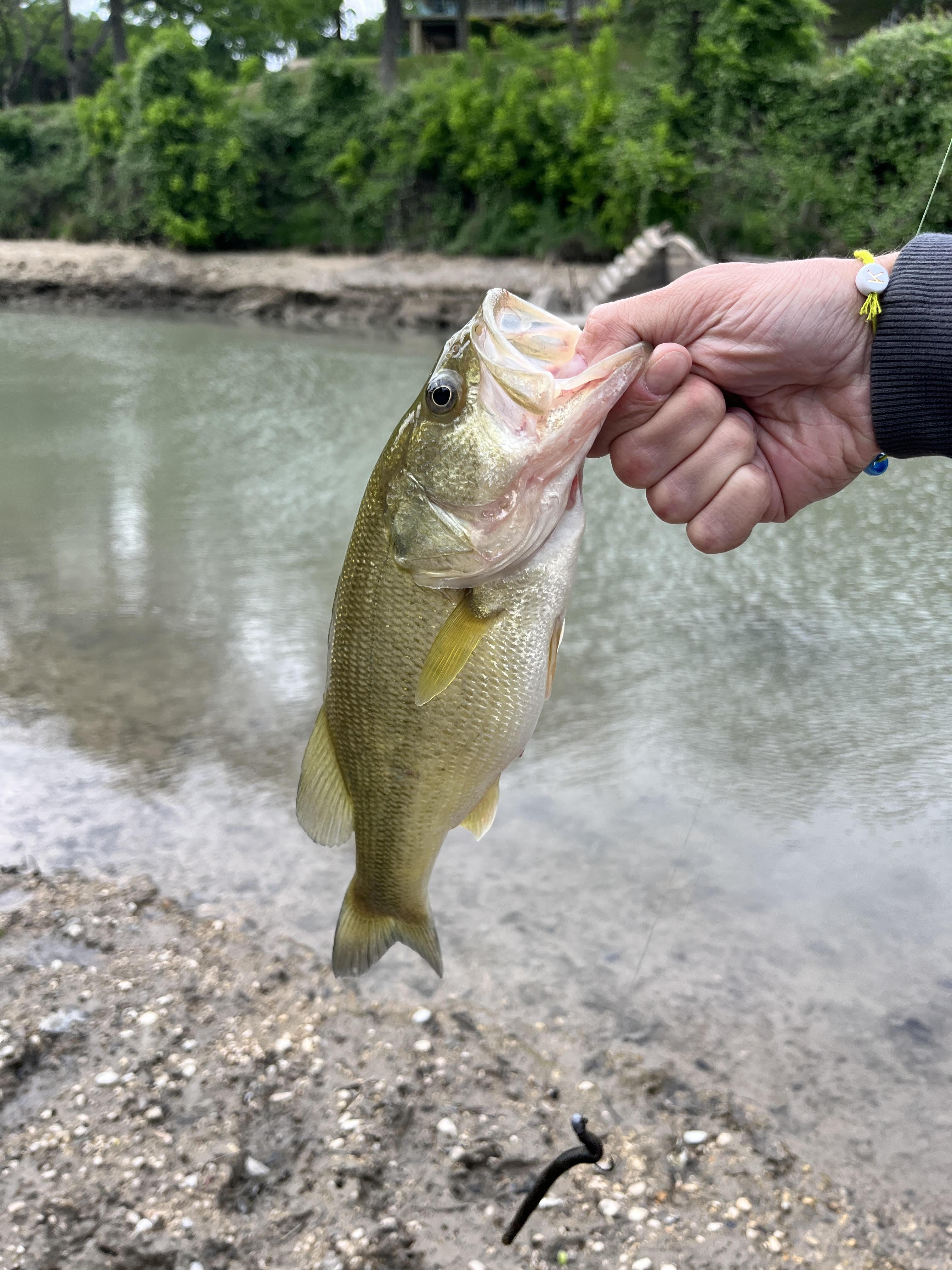
As fishing season approaches, a growing number of anglers are discovering that bigger isn't always better when it comes to bass fishing. Finesse fishing, which emphasizes lighter tackle and smaller lures, is challenging the conventional wisdom that heavier gear produces better results.
"Bass is a lot like small children; much of the time they aren't looking for a whole meal; they're looking for a taste," shared one passionate angler, reflecting on wisdom passed down through generations. This philosophy has become central to the finesse fishing approach, which prioritizes subtlety over power.
"Bass is a lot like small children; much of the time they aren't looking for a whole meal; they're looking for a taste,"

The technique represents a significant departure from traditional power fishing methods. While conventional approaches rely on large, aggressive lures designed to provoke reaction strikes, finesse fishing takes the opposite approach. Proponents argue that smaller, less imposing equipment can be more enticing to bass, particularly during periods when fish are less active or feeding selectively.

**Seasonal Advantages Drive Adoption**
The effectiveness of finesse fishing becomes particularly pronounced as water temperatures change. "Colder weather is the only reason larger lures aren't as successful," explained one experienced angler. As temperatures drop, bass metabolism slows significantly, affecting both their movement patterns and eating habits. This behavioral shift makes them less likely to chase after larger offerings, creating ideal conditions for finesse techniques.
"Colder weather is the only reason larger lures aren't as successful,"
When water cools, bass often become more selective feeders, requiring anglers to adjust their approach accordingly. Instead of relying on oversized lures that demand aggressive strikes, finesse methods allow for subtle presentations that can encourage bites from otherwise inactive fish.
**Equipment Selection Crucial for Success**

The gear selection process for finesse fishing requires careful consideration of balance and sensitivity. Many experts recommend starting with a medium-action six-foot spinning rod paired with 10-pound test line. This combination provides the sensitivity needed to detect subtle bites while maintaining sufficient strength to handle fighting fish.
Impact and Legacy
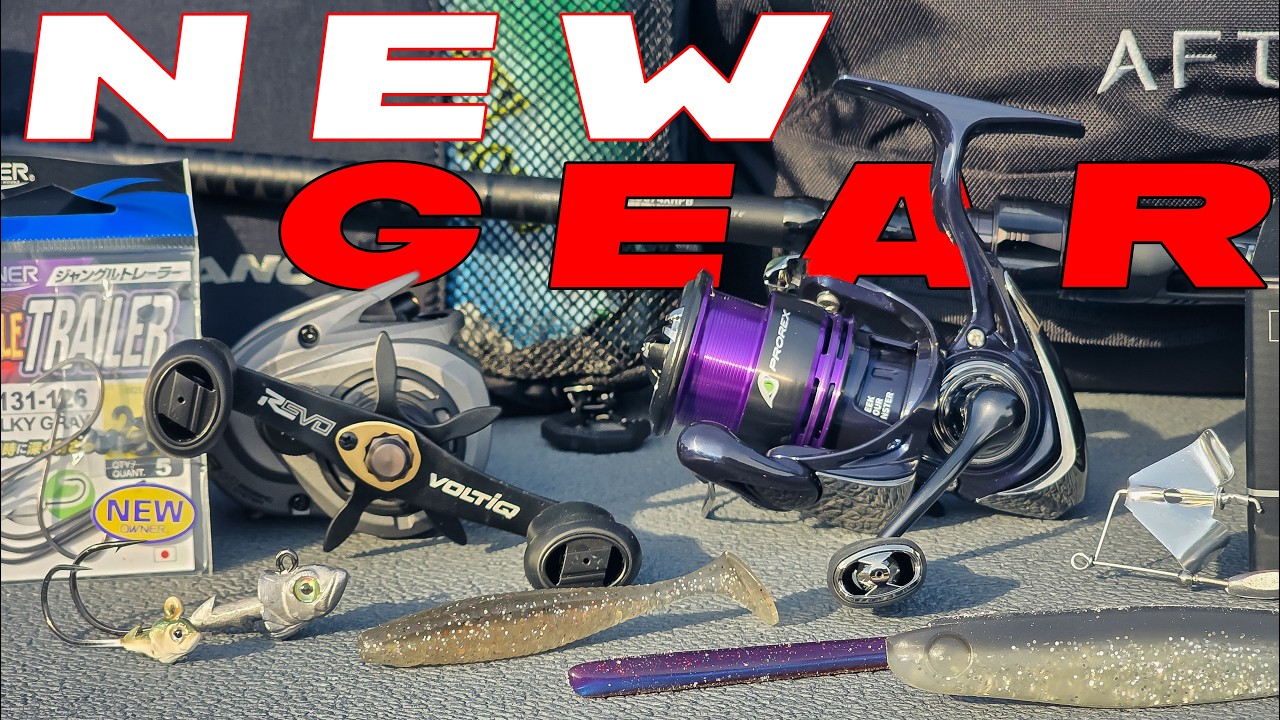
"A lightweight reel is also important. I love a good ultralight [baitcaster](/gear/baitcaster) because it fits nicely in your hands and allows you to comfortably work the lures for long periods," stated a seasoned professional. The emphasis on comfort becomes particularly important during extended fishing sessions, where fatigue can impact lure presentation and bite detection.
The lighter equipment enhances an angler's ability to feel even the slightest nibbles, enabling quick reactions when fish take the bait. This increased sensitivity often makes the difference between successful hooksets and missed opportunities.
**Three Standout Techniques**
Among the various finesse fishing methods available, three techniques have emerged as particularly effective: drop shots, wacky worms, and Texas rigs. Each offers unique advantages and can be adapted to different fishing conditions and bass behavior patterns.
Drop shotting involves using a four-inch finesse worm on a specialized hook, keeping the lure suspended above the bottom. "This strategy works best for vertical fishing, but I find this to be the most effective way to get the bass going," shared one avid angler. The technique allows precise depth control and keeps the bait in the strike zone longer.
"This strategy works best for vertical fishing, but I find this to be the most effective way to get the bass going,"
Wacky rigging has earned devoted followers among finesse fishing enthusiasts. One angler credited his father with introducing him to this method, explaining its effectiveness: "Use a brightly colored worm rigged wacky and twitch your rod as you present the worm. This type of motion, paired with the brightly colored worm and built-in scent, is one of the best ways to appear irresistible to bass."
The Texas rig, while often associated with heavier tackle applications, can be highly effective when adapted for finesse fishing. Using small, brightly colored baits worked at a slow, deliberate pace can increase strike likelihood significantly.
**Advanced Presentation Techniques**
"Spybaiting is an open-water technique that you should use only in clear-visible waters. These spy baits are small spinner hard baits with double props," explained a local fishing expert. The specialized lure design creates subtle attraction without requiring vigorous action from the angler, making it ideal for pressured or cautious fish.
Wake baiting offers another effective option, particularly as seasons change and water temperatures fluctuate. This technique can be especially productive when bass are feeding on smaller baitfish, allowing anglers to match the hatch more effectively.
As more anglers experiment with finesse techniques, the approach continues to prove its worth across various fishing conditions. Whether dealing with cold water, pressured fish, or simply seeking a more engaging fishing experience, finesse fishing offers a compelling alternative to traditional power fishing methods.