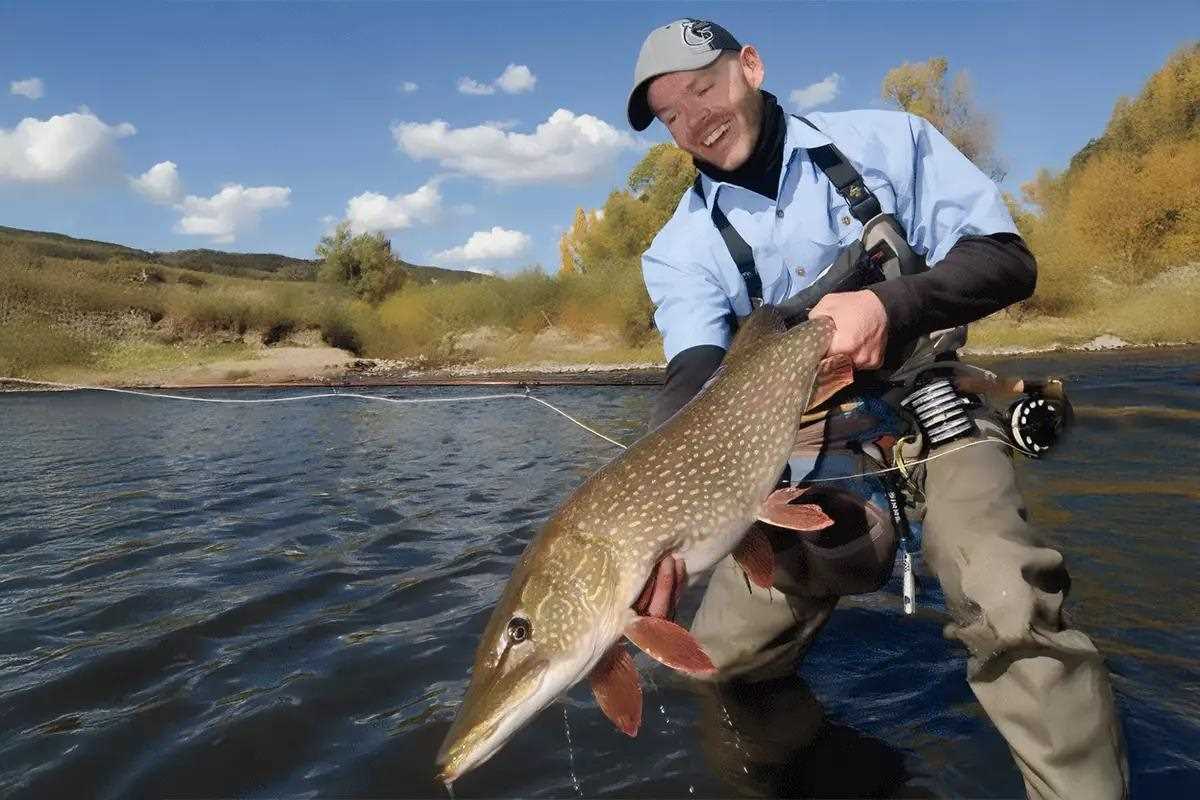
In the pursuit of predatory fish, knowing how to read the water is as vital as mastering your retrieve technique. Conditions such as low light or high water flows require anglers to adapt and employ different strategies to entice strikes effectively.
"If I were a predator, this is where I would feed," said Landon Mayer, an experienced angler. By visualizing the environment, anglers can deduce where fish might be lurking and what food sources they prefer. Not only does this approach enhance fishing success, but it also deepens the understanding of fish behavior and habitat.
"If I were a predator, this is where I would feed,"


Mayer elaborated on the importance of matching your approach to the circumstances. "Whether you’re hunting rooster combs on a beach or looking for a giant brown among rocks, the art lies in how you present your fly," he explained. This method highlights the interplay between the angler's knowledge of the fish's targets and how the fly replicates those target species.
"Whether you’re hunting rooster combs on a beach or looking for a giant brown among rocks, the art lies in how you present your fly,"
When it comes to most nymphs and dry flies, anglers typically aim for minimal movement, letting the current guide the fly seamlessly. However, the dynamics shift dramatically when targeting larger fish. "I call it 'reading the retrieve,'" Mayer mentioned, stressing that understanding both the water and the retrieval techniques is crucial.
"I call it 'reading the retrieve,'"

Different fish species react to various movements. For example, retrieving a fly erratically might imitate a fleeing prey, which can trigger aggressive strikes. This emphasizes the need for versatility in retrieval styles, which is essential for success in varied conditions.
"Movement is what often triggers a fish to look, and a well-timed pause can provoke a strike," Mayer stated. This insight underlines the importance of rhythm and timing in the retrieval process. Utilizing soft, natural movements can mimic life-like action that is irresistible to predators lurking below.
"Movement is what often triggers a fish to look, and a well-timed pause can provoke a strike,"
Anglers often encounter what Mayer calls 'searching water,' where the fish's presence is uncertain. In these scenarios, the quality of the retrieve becomes even more critical. By visualizing potential meals for fish, an angler can strategize their movements to maximize chances of engagement.
Practicing and refining retrieve techniques enhances an angler's effectiveness. It’s about that balance of artistry and science, and understanding local fish behavior can lead to rewarding experiences. "When you actively engage in reading the water and employing varied retrieves, it transforms fishing into an art form," Mayer concluded.
"When you actively engage in reading the water and employing varied retrieves, it transforms fishing into an art form,"
In summary, successful fishing for predatory species requires a solid grasp of both environmental conditions and moving techniques. The interplay of water reading and efficacy of retrieval practices can make a significant difference during a fishing outing. As anglers increasingly hone these skills, the art of fishing continues to evolve, highlighting a blend of strategic planning and instinctual adaptations that keep the chase exhilarating and fulfilling.