Understanding fishing lures can elevate your angling experience and enhance your chances of success. "The right lure can make all the difference, whether you’re trying to catch bass, trout, or pike," said veteran angler and fishing instructor Mark Thompson. This guide will explore the fundamentals of lure selection and various techniques to help you optimize your fishing endeavors.
"The right lure can make all the difference, whether you’re trying to catch bass, trout, or pike,"
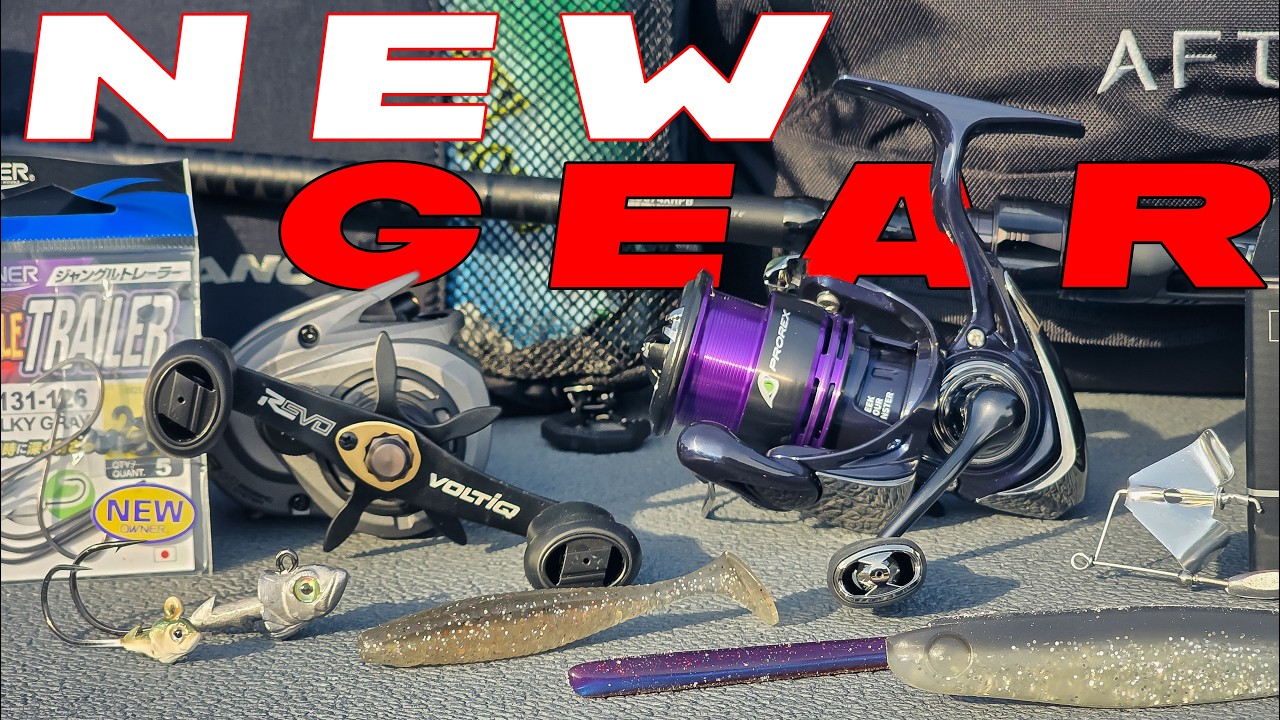
There are numerous types of fishing lures available, each designed for specific conditions and species. Crankbaits, for example, are known for their effectiveness in mimicking the swimming motion of baitfish. "You want to use crankbaits particularly when fish are active and feeding up near the surface," noted Thompson. In contrast, spinnerbaits and soft plastics have become staples for many anglers. The versatility of soft plastics makes them a popular choice, as they can be fished in various scenarios. "Soft plastics are great for targeting finicky fish since you can present them in a way that mimics natural prey," said professional fisherman Sarah Lee.

"You want to use crankbaits particularly when fish are active and feeding up near the surface,"
Picking the ideal lure requires consideration of several factors. "Water clarity is key; clear conditions call for more subtle presentations, while murky water may necessitate brighter lures to stand out," explained fishing expert Greg Martinez. In addition to water clarity, weather conditions and water temperature also play vital roles in lure selection. Choosing the wrong type can lead to frustrating days on the water. "It’s like going to battle without the proper gear; you need to be adequately equipped for the conditions," remarked professional angler Kevin Rogers.
"Water clarity is key; clear conditions call for more subtle presentations, while murky water may necessitate brighter lures to stand out,"

Once you’ve selected your lure, mastering the techniques for its use is crucial. Different lures require different retrieval methods to be effective. "When using a crankbait, for instance, a steady retrieve with occasional pauses can entice strikes," suggested Thompson. Topwater lures, on the other hand, benefit from a varied presentation. "Try popping the lure or walking the dog to create an irresistible disturbance on the surface," noted Lee. Employing these methods can significantly improve your catch rates.
"When using a crankbait, for instance, a steady retrieve with occasional pauses can entice strikes,"
Despite the extensive knowledge that seasoned anglers possess, it’s easy for beginners to fall into common traps. "One of the biggest mistakes is not adjusting your lure choice based on changing conditions during the day," Martinez cautioned. Additionally, anglers often over-rely on one type of lure without considering the fish's mood or behavior. "Diversity is vital in your tackle box; be prepared to experiment if your initial choice isn’t working," said Rogers.
"One of the biggest mistakes is not adjusting your lure choice based on changing conditions during the day,"
As you venture into the world of lure fishing, understanding these fundamentals can empower you to make more informed decisions and improve your success on the water. "Fishing isn’t just about luck; it's about strategy, knowledge, and adaptability," emphasized Thompson. By honing your skills in lure selection and techniques, you’ll amplify your fishing experience, leading to more rewarding adventures.
"Fishing isn’t just about luck; it's about strategy, knowledge, and adaptability,"
For those eager to enhance their lure fishing capabilities, learning about different lures and strategies provides a solid foundation. Dive into the specifics of each type and practice the techniques discussed to become a more proficient angler. Get ready to reap the rewards of your newfound expertise, and increase your chances of landing that prized fish on your next outing.