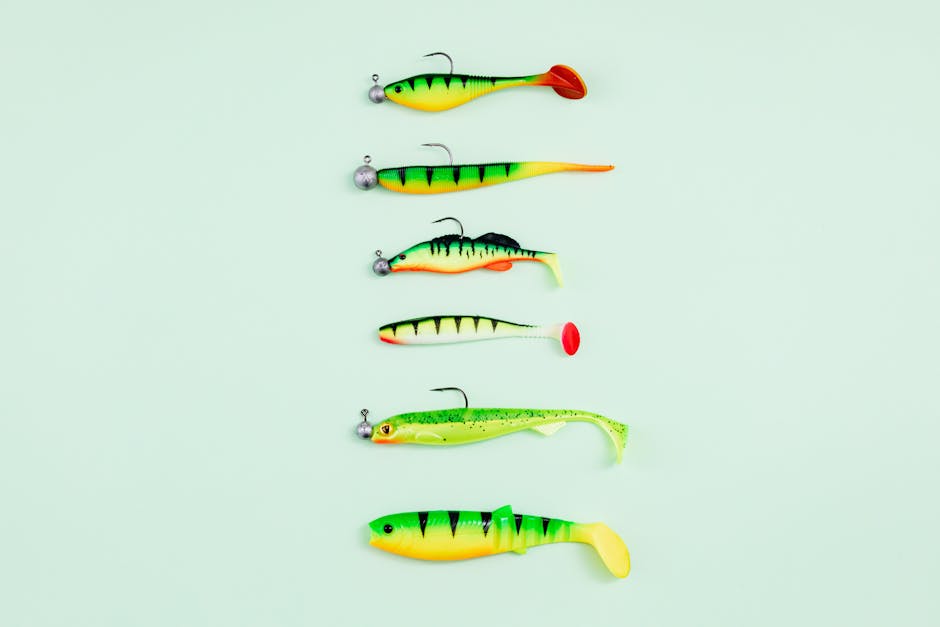
Fishing enthusiasts often find themselves overwhelmed when choosing lures during a visit to a tackle shop or while browsing online. With countless options adorned in vibrant colors, all promising exceptional results, making the right choice can be a daunting task. "If you don't know what you're looking for, it can feel like standing at a buffet with no idea what dish to pick," said seasoned angler, Mark Henderson.
"If you don't know what you're looking for, it can feel like standing at a buffet with no idea what dish to pick,"
Understanding the fundamentals of fishing lures is essential, whether you're a newcomer or a lifelong fisherman. A fishing lure is an artificial bait crafted to simulate the appearance and movement of genuine prey, such as small fish or insects. The primary objective is straightforward: entice fish into believing that the lure is food.


"Lures vary greatly in shape, size, color, and material, each designed for specific fish species and water conditions," mentioned Emily Tran, a fishing gear expert. They can float, sink, spin, or wiggle, making them a crucial element in any angler's [tackle box](/gear/tackle-box). Unlike live bait, lures possess the advantage of being reusable, convenient to carry, and less messy, beyond their ecological benefits.
"Lures vary greatly in shape, size, color, and material, each designed for specific fish species and water conditions,"
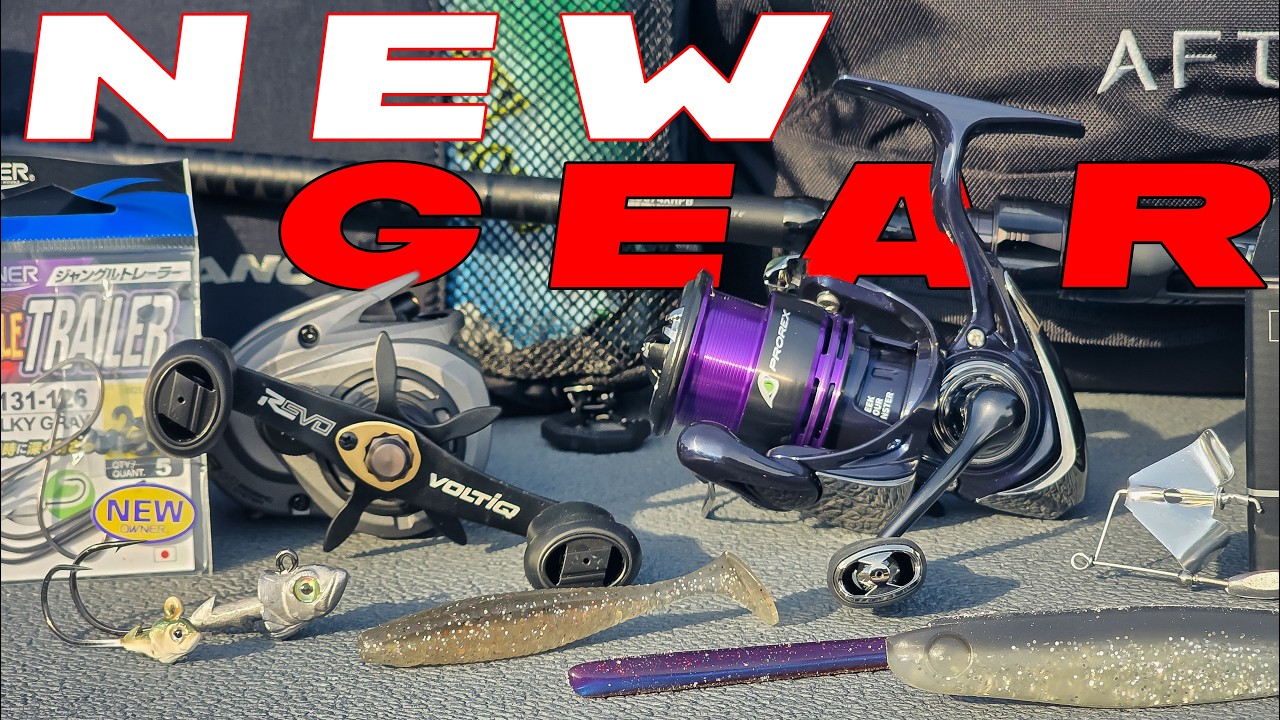
There are several types of fishing lures commonly used by anglers, and knowing when to apply them can greatly enhance your fishing experience.

Minnow lures, long and narrow, closely imitate baitfish behavior. "They’re ideal for bass, walleye, and trout, especially in clear waters where fish are actively pursuing bait," noted professional fisherman Jake Larson. A retrieval speed variation is vital here to spark interest and trigger strikes.
"They’re ideal for bass, walleye, and trout, especially in clear waters where fish are actively pursuing bait,"
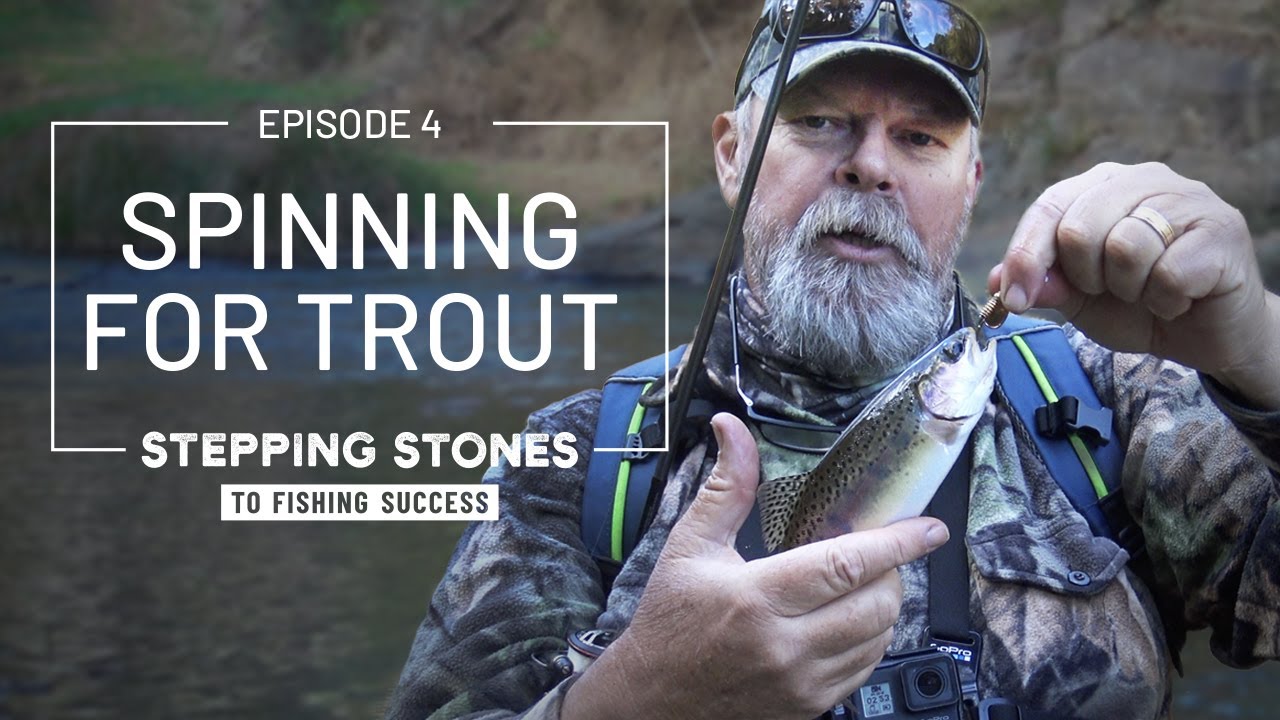
Soft plastic baits offer a realistic feel that entices fish when they bite. "They're particularly effective for species like largemouth bass and catfish in either lakes or rivers," observed bait specialist Tina Wu. Rigging them Texas-style is a strategic method to avoid snagging on weeds.
"They're particularly effective for species like largemouth bass and catfish in either lakes or rivers,"
Topwater poppers can captivate fish thanks to their distinctive design, which creates a splashing sound when jerked. "These are perfect for calm waters, especially during dawn or dusk," mentioned veteran angler Tony Alvarez. Patience is key, as waiting after the initial pop often leads to a successful catch.
"These are perfect for calm waters, especially during dawn or dusk,"
Equally versatile are jigs, which are weighted lures that can be adapted for various fishing scenarios. "Using them in deep waters or structured locations greatly increases your chances," explained pro angler Leah Morgan. Bouncing a jig along the bottom can effectively mimic an injured fish.
"Using them in deep waters or structured locations greatly increases your chances,"
Spinnerbaits and buzzbaits add an element of excitement with their spinning blades that entice fish through both visual and auditory stimuli. "These lures are excellent in murky waters, making them a favorite for bass and pike fishermen," said outdoor expert Sam Reid. Their design helps anglers cover wide areas quickly and efficiently.
"These lures are excellent in murky waters, making them a favorite for bass and pike fishermen,"
Crankbaits are another staple, diving to specific depths and wiggling during retrieval. "They work wonders for open water fishing around structures like rocks and logs," advised fishing guide Rick Pierce. A stop-and-go retrieval method can enhance their effectiveness, giving off an impression of injury.
"They work wonders for open water fishing around structures like rocks and logs,"
"Know your target fish first," recommended fishing instructor Kim Sanders. Specific fish are drawn to distinct presentations; for instance, bass are keen on topwater lures, while trout often prefer spinners or minnows.
"Know your target fish first,"
Water conditions play a pivotal role in lure selection. "In clear water, opt for natural, subtle colors, while bright, noisy lures can be effective in muddy waters," advised environmental expert Derek Chen. Inshallows, topwater lures shine, whereas heavy jigs are better suited for deeper areas.
"In clear water, opt for natural, subtle colors, while bright, noisy lures can be effective in muddy waters,"
"Matching the hatch is essential," pointed out marine biologist Carla Reyes. This approach involves choosing lures that resemble local prey fish, enhancing the chances of attracting the fish you’re after. Keeping an eye on the prevailing conditions and changing techniques accordingly can significantly improve your fishing success.
"Matching the hatch is essential,"
Overall, fishing lures are an irreplaceable asset in any angler's toolkit. Armed with knowledge and the right strategies, you can elevate your fishing game, whether you're a novice or a seasoned pro. Remember that experimenting with different techniques and styles will not only enrich your experience but will also help uncover the secrets of the water you’re fishing in. As you refine your skills and knowledge about lures, each outing can become a thrilling adventure of discovery.